Iran declared the Strait of Hormuz closed again on Saturday and warned vessels to stay away from the critical shipping route, but the U.S. denied those claims, stating the waterway remained open.
Tensions between the two countries escalated just days after Tehran and Washington reached an interim agreement to end hostilities in the region.
The announcement by Iran’s military and the country’s Islamic Revolutionary Guard Corps came as Iranian negotiators prepared to travel to Switzerland for technical-level talks with U.S. officials scheduled to begin Sunday.
Iran’s joint military command said the closure of the strait was in response to continued Israeli military operations in Lebanon and what it described as U.S. “bad faith” and a failure to uphold commitments under the truce framework, AP reported. Iranian state television said “subsequent steps have been planned” if what it called aggression continues, according to multiple outlets.
Earlier Saturday, Israeli strikes in southern Lebanon killed at least 16 people, including two children, AP reported, citing Lebanese authorities. Lebanon’s state-run National News Agency said seven people remained trapped beneath rubble in Nabatiyeh and nearby villages following the attacks, according to AP.
The U.S. military said the Strait of Hormuz had not been closed, however, and said that U.S. forces were monitoring the situation to ensure that it remained open, Reuters reported.
“Iran does not control the Strait of Hormuz,” U.S. Central Command spokesperson Navy Captain Tim Hawkins told Reuters. “Traffic continues to flow, and U.S. forces are monitoring the situation to ensure this remains the case.”
President Donald Trump also indicated the administration considered the strait as open for traffic. He suggested the U.S. could begin charging ships to transit the Strait if the parties fail to convert the interim agreement into a final deal within 60 days.
“There will be NO TOLLS in the Hormuz Strait for 60 days during the Cease Fire Period, and there will be NO TOLLS after the 60 day period has expired, unless they are imposed by and for the United States of America, should the deal not be completed,” he said in a Truth Social post late Saturday, claiming the charge would be for “services rendered.”
Iran’s attempt to shut down the strait again raises the stakes ahead of the talks in Switzerland, which are intended to advance the interim agreement reached Wednesday between Trump and Iranian President Masoud Pezeshkian after nearly four months of war.
The signed memorandum of understanding had called for the immediate end to military actions by Israel in Lebanon and the full reopening of the strait without tolls imposed by Iran for at least 60 days.
Vance, Iranian delegation head to Switzerland
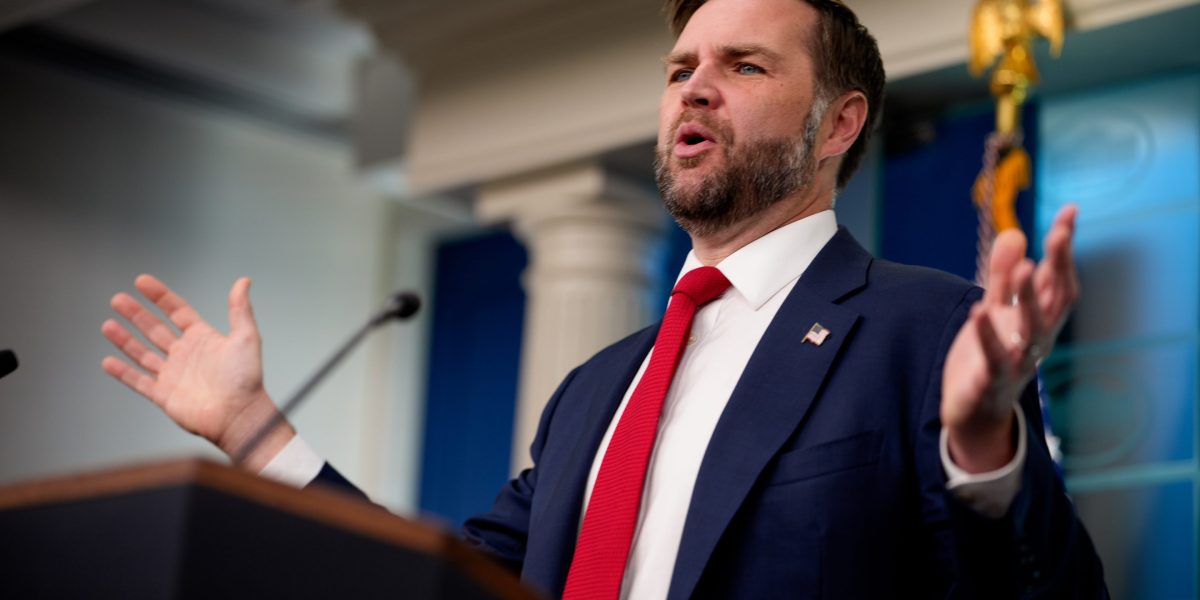
U.S. Vice President JD Vance on Saturday left Washington to travel to Switzerland for further negotiations with Iran, the White House reported.
The vice president told reporters before boarding his flight that he hoped to “make progress on the nuclear issue” and “the Lebanon ceasefire issue.”
“Despite the headlines, things are actually getting better there (in Lebanon), and things are slowing down a little bit,” he said. “It’s going to be something we’re just going to have to continuously manage to ensure that you know Israel and Lebanon are both safe and secure.”
Earlier, the Swiss Federal Department of Foreign Affairs announced in a post on X that the Iranian delegation had arrived in the country.
Vance struck an optimistic tone earlier in the day, saying talks were advancing despite Iran’s latest threat to shut the strait.
Speaking on Fox News, he said Jared Kushner, Trump’s son-in-law, and special envoy Steve Witkoff in Switzerland were working through the agreement’s technical details. He added that discussions were “going well.”
Vance noted that tanker traffic had rebounded sharply following the ceasefire agreement.
“We actually got 16 million barrels of oil out of the Strait of Hormuz yesterday,” Vance said. “That is a record going back to even before the conflict started.”
He also said negotiators were focused on securing Iran’s enriched uranium stockpile to make it “effectively impossible” for Tehran to rebuild its nuclear program, while emphasizing that the United States retained significant economic leverage if Iran failed to comply with the agreement.
— Reuters and the Associated Press contributed to this report