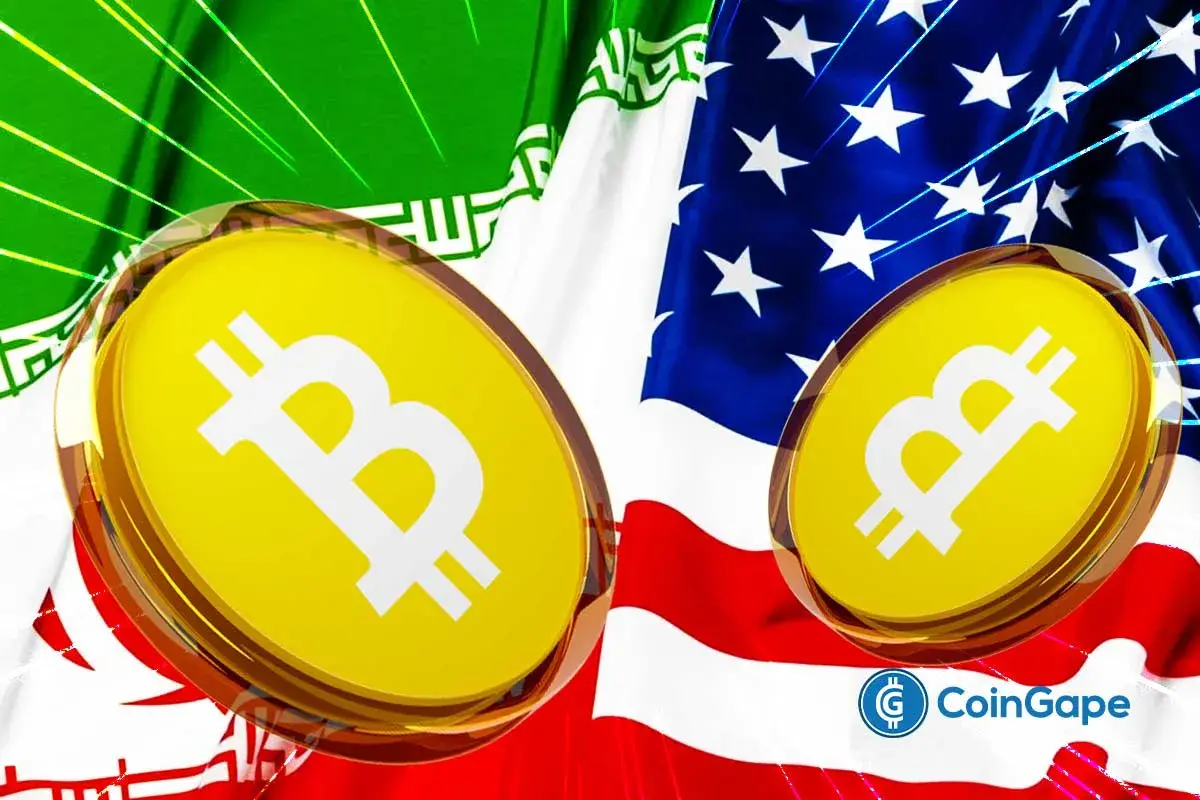
The United States has now frozen about $1 billion in crypto from Iran. The U.S. is cracking down on financial systems that have been accused of evading international sanctions, Treasury Secretary Scott Bessent stated.
U.S. Crypto Enforcement Campaign Continues
The new $1 billion figure is the total of crypto assets blocked or seized over time and not just from any single enforcement action this week. At the Reagan National Economic Forum, Bessent spotlighted the government’s newfound capacity to trace blockchain-based transactions that are connected to sanctioned organizations.
Amid the ongoing US-Iran war, he said, “Just outright grabbed the wallets. Some of them may be typing in right now and might not realize their wallet had been grabbed.”
The revised figure comes following various steps taken under the U.S. Operation Economic Fury, aimed at putting pressure on Iran’s financial infrastructure in 2025. Authorities have been concentrating on crypto transfers through channels allegedly associated with payments from oil sales and operations that are sanctioned by the United States.
One of the most notable actions was earlier this year, which involved Iranian crypto seizure by the U.S. At the time, authorities froze hundreds of millions of dollars of USDT that was circulating on the Tron blockchain.
The amount of Iranian-related cryptocurrencies frozen was coming close to $400-500 million, Treasury officials had previously revealed. Since then, additional enforcement actions have boosted that figure to about $1 billion.
The U.S. has been collaborating with stablecoin issuers and blockchain intelligence firms to track wallets that are thought to be linked to sanctions abuses. If the addresses are identified, they can be frozen or otherwise prevented from accessing funds.
Meanwhile, the US-Iran war is escalating with latest strikes from both countries. Recently, the U.S. President Donald Trump rejected Iran’s peace deal.
Authorities Focus On Sanctions Evasion Networks
Prior to the enforcement actions becoming more aggressive, Iran was reportedly funneling hundreds of millions of dollars a month using crypto, Bessent noted. The administration is considering digital assets as part of a broader strategy to curb Tehran’s access to foreign financial markets.
Several of the frozen crypto assets are still held under court control and subject to other claims and litigation. These include victims of terrorism demanding Tether to unfreeze assets.
U.S. authorities also are likely to keep including wallet addresses on their sanctions lists. Moreover, they will continue to institute other forfeiture proceedings as investigations into crypto-related financial networks continue.