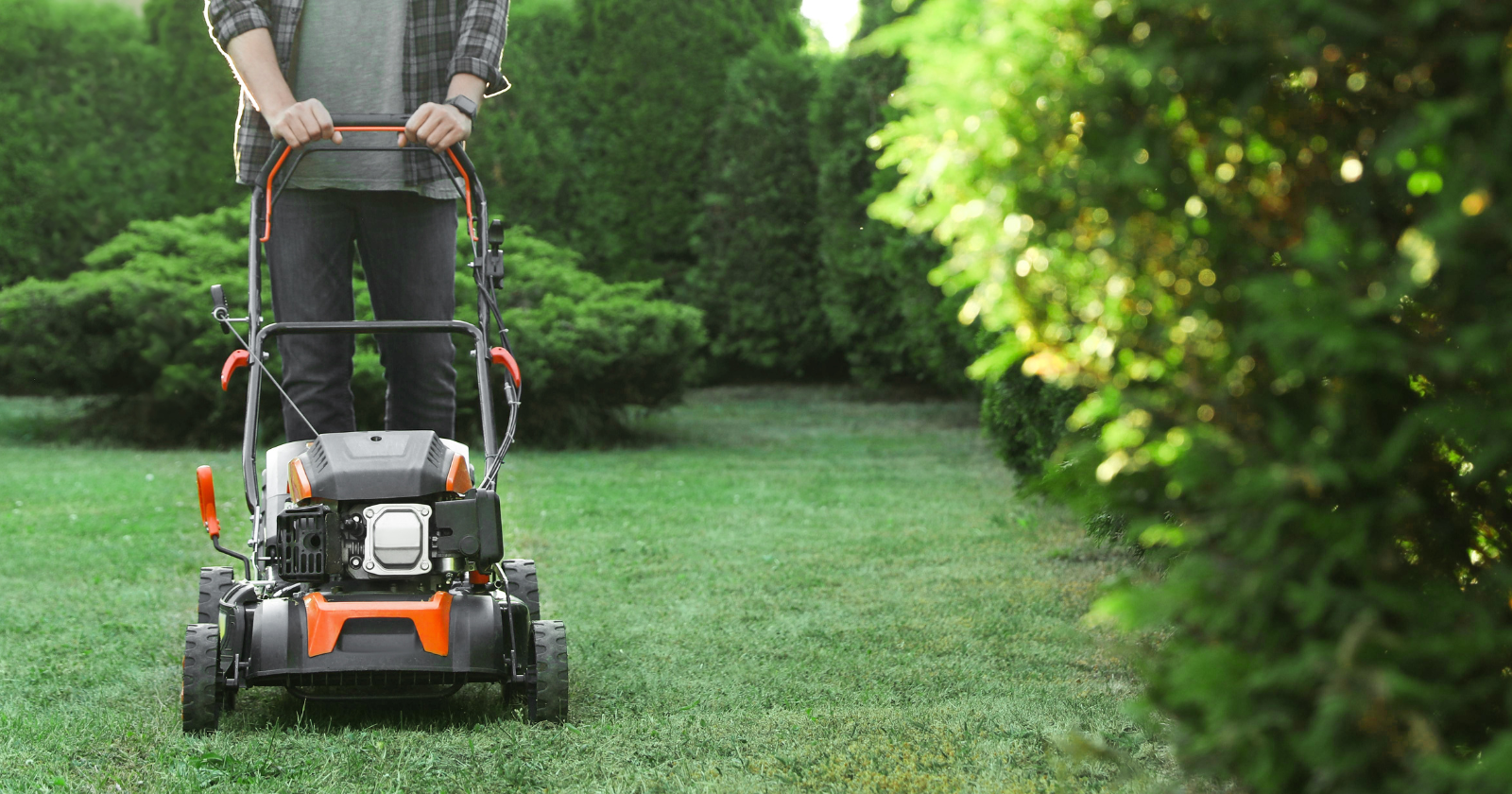
Here’s a question worth asking: when was the last time you actually finished something?
Not crossed it off a list. Not declared it done because you ran out of time. I mean truly finished. Stepped back. Looked at it. Knew in your bones the work was complete.
For most adults, the answer is uncomfortable. Modern life has quietly stripped completion out of almost everything we do. And that, more than any spiritual deficit or screen addiction, might be why so many people feel a strange peace mowing the lawn or washing the car on a Saturday afternoon.
The lost art of completion
Here’s what nobody talks about: most of modern life doesn’t let you finish anything anymore.
Think about it. When’s the last time you completed something at work and it stayed completed? You clear your inbox, and twenty new messages appear. You finish a project, and there’s already three more waiting. You clean the kitchen, and by dinner it’s a mess again.
But mowing the lawn? Washing the car? These things have a clear beginning, middle, and end. You start with tall grass, you cut it, you’re done. The grass will grow back, sure, but for right now, for this moment, you completed something fully.
Research shows that focusing on the remaining progress in a task actually enhances our feelings of productivity. It leads to better task evaluation and makes us more likely to stick with future tasks. Our brains are wired to love completion.
Ask any electrician who’s spent a day wiring a house. At the end, you flip the main breaker and watch everything light up. Compare that to eight hours troubleshooting a problem you never found. Guess which day sends a person home feeling better?
Why your brain craves visible progress
“The brain loves visible progress. A big reason cleaning feels good is simple: you can see the results,” according to the Riverbender Staff.
That’s exactly it. When you’re out there washing your truck, you can see each panel go from dirty to clean. There’s no ambiguity, no waiting for feedback, no wondering if you did it right. The results are right there in front of you.
Think of a three-week rewiring job on an old Victorian house. The owner keeps changing her mind about outlet placement, light fixtures, everything. By the end, you can’t even remember what you accomplished because it all blurred together. Compare that to two hours washing and waxing a truck. Step back, and you can see exactly what you did.
The thing is, we’re not built for endless, ambiguous tasks. We’re built to hunt, to gather, to build shelter. Things with clear endpoints. Modern work has taken that away from us, but these simple chores bring it back.
More than meditation
People throw around the word “meditation” for everything these days, but there’s truth to it when it comes to these tasks.
The Holistic Gardener puts it simply: “Mowing the lawn does not have to be a chore: it can be an active meditation.”
But it’s different from sitting cross-legged and focusing on your breath. This is meditation through action. Your body knows what to do, so your mind can wander or focus or just be quiet for once.
I’ve solved more problems pushing a mower than sitting at a desk. Something about the repetitive motion, the white noise of the engine, the simple back-and-forth pattern lets your brain work on things in the background. By the time the lawn is done, you’ve usually figured out whatever was bothering you when you started.
Linda Wasmer Andrews, a health writer, says it best: “Mowing the grass has mind-body health benefits. There’s something meditative about pushing a mower back and forth across that patch of green.”
The physical payoff nobody mentions
Here’s something that surprised me: research has found that engaging in housework is associated with improved physical health, mental well-being, cognitive performance, and increased survival rates among older adults.
Let that sink in. These simple tasks aren’t just making you feel good. They’re keeping you sharp and healthy.
Ryan Hetrick, a therapist and CEO of Epiphany Wellness, points out: “Mowing your lawn, especially if you use a manual mower, is a lot of hard work. It provides weekly physical exercise, which can enhance your overall health and well-being.”
You feel it on a morning walk. You also feel it washing the car, mowing the lawn, working in the garage. It’s movement with purpose, not just exercise for exercise’s sake.
Another study found that performing household chores is linked to sharper memory, attention span, and better leg strength in older adults. So while you’re getting that satisfaction of completion, you’re also keeping your body and brain in working order.
The pride factor
Theodore R. Johnson nailed it when he wrote: “Mowing the lawn is like making your bed in public. There is a pride in the task knowing that it’s the first thing people will see.”
That’s part of it too. When you wash your car or mow your lawn, you’re not just completing something for yourself. You’re putting something good out into the world. Your neighbors see it. People driving by see it. There’s a public aspect to these tasks that most of our work doesn’t have anymore.
The Enviroliteracy Team backs this up: “A well-maintained lawn can contribute to a sense of pride and accomplishment.”
And there’s something about the sensory experience too. The same team notes: “The scent of freshly cut grass is often described as a blend of green, earthy, and slightly sweet notes. It’s a complex aroma that triggers a range of emotions and memories.”
The smell of fresh-cut grass pulls a lot of us back to mowing lawns for spending money as kids. That smell connects you to something real, something physical, something you did with your own hands.
Bottom line
We’ve complicated our lives to the point where nothing ever feels finished. But these simple tasks: mowing the lawn, washing the car, cleaning the garage. They’re not escapes. They’re returns to something fundamental about being human: the need to start something, work at it, and finish it.
So here’s the question worth sitting with the next time you’re out there with the hose and bucket, or pushing that mower in neat rows.
When was the last time anything else in your week gave you a real ending? Not a pause. Not a deadline. An actual ending you could step back and admire?
And if you can’t remember, what does that tell you about how the rest of your life is built?









-1024x683.jpg "Judge Who Helped Violent Illegal Alien Evade ICE Faces New Test")


-1024x683.jpg "Montana Puts Democrats in a Bind as Senate Hopes Fade")