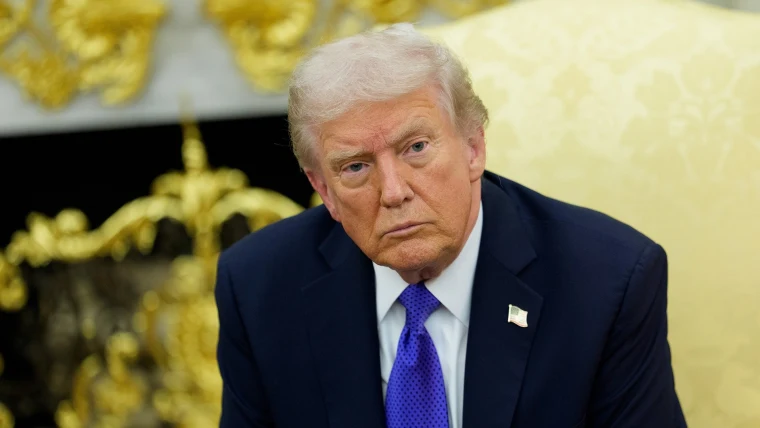
A U.S. judge has dismissed Donald Trump’s $10 billion defamation lawsuit against The Wall Street Journal, ruling that the claim failed to meet the stringent “actual malice” standard required for public figures. The decision delivers a decisive victory for the American press, reinforcing First Amendment protections and underscoring the formidable legal barriers facing high-profile defamation claims.
Beyond its immediate political and legal ramifications, the ruling affirms a foundational constitutional principle: reputation alone cannot override the right to free expression. By rejecting the lawsuit, the court reaffirmed the exceptionally high evidentiary threshold required to hold media organisations liable for defamation—an enduring safeguard that continues to define the balance of power between influential individuals and the press.
A High-Stakes Legal Confrontation
Trump’s lawsuit sought $10 billion in damages, alleging that the Wall Street Journal published defamatory statements that inflicted significant reputational harm. The extraordinary scale of the claim placed it among the most consequential defamation actions ever initiated by a former U.S. president, underscoring both its legal ambition and political significance.
However, the court determined that the complaint failed to satisfy the stringent constitutional threshold required to proceed. By dismissing the case, the judge reaffirmed the formidable barriers facing public figures who seek to challenge media reporting under U.S. defamation law.
The ruling reflects the judiciary’s longstanding reluctance to entertain claims that do not plausibly allege actionable wrongdoing. Anchored in First Amendment jurisprudence, the decision reinforces a foundational principle of American democracy: robust scrutiny of powerful individuals must remain protected from undue legal interference.
While high-value defamation suits often generate global headlines, U.S. courts remain guided by precedent that safeguards open debate—particularly when it concerns matters of public interest and prominent public figures. In this context, the dismissal stands not merely as a procedural defeat, but as a reaffirmation of the constitutional balance between reputation and free expression.
Why the Lawsuit Was Dismissed
At the heart of the ruling lies the “actual malice” doctrine, a cornerstone of American defamation law. To succeed, Trump was required to demonstrate that the publication either knew the contested statements were false or acted with reckless disregard for their truth—a demanding evidentiary standard that has long shielded the press from undue legal interference.
This constitutional threshold originates from the landmark U.S. Supreme Court decision in New York Times Co. v. Sullivan, which established that public officials must meet a heightened burden of proof to prevail in defamation actions. The doctrine was designed to protect freedom of expression and ensure that debate on matters of public concern remains “uninhibited, robust, and wide-open.”
Subsequent rulings have reinforced and refined this principle. In Curtis Publishing Co. v. Butts, the Supreme Court extended the actual malice standard to public figures, recognising that individuals who command public influence must tolerate greater scrutiny. Later, in Gertz v. Robert Welch, Inc., the Court clarified the distinction between private individuals and those who voluntarily enter the public arena, balancing reputational rights against First Amendment protections.
Together, these decisions form the backbone of modern U.S. defamation law and remain central to judicial analysis in high-profile media disputes. The dismissal of Trump’s lawsuit reflects this enduring legal framework. Without sufficiently alleging facts capable of establishing actual malice, the claim could not withstand judicial scrutiny, reaffirming the formidable constitutional safeguards that protect the American press.
The Constitutional Bar: Understanding “Actual Malice”
The legal threshold confronting public figures in the United States is intentionally high. To prevail in a defamation claim, a plaintiff must prove “actual malice”—that a statement was published with knowledge of its falsity or with reckless disregard for the truth. This demanding standard reflects the judiciary’s enduring commitment to protecting freedom of expression under the First Amendment.
Established in New York Times Co. v. Sullivan, the doctrine ensures that criticism of public officials and prominent figures remains shielded from undue legal interference. It requires clear and convincing evidence that a publisher knowingly disseminated false information or consciously ignored serious doubts about its accuracy.
Courts have consistently held that inaccuracies, negligence, or editorial errors alone do not constitute defamation. As the Supreme Court famously declared, debate on public issues must remain “uninhibited, robust, and wide-open.” The dismissal of Trump’s lawsuit reflects this enduring constitutional principle, reaffirming the formidable barriers public figures face when seeking to hold media organisations liable.
Implications for Press Freedom and Media Law
The ruling represents a significant victory for press freedom, underscoring the resilience of First Amendment protections in the United States. For media organisations, it reaffirms the legal safeguards that enable investigative reporting on powerful individuals and institutions without undue fear of retaliatory litigation, reinforcing the constitutional balance between reputational rights and the public’s right to know.
In an era of heightened political tension and increasing scrutiny of the media, the decision serves as a powerful reminder that American courts continue to prioritise freedom of expression. The judgment signals judicial resistance to legal actions that could chill public debate or undermine the role of a free press in a democratic society, providing reassurance to publishers, journalists, and legal teams alike.
Beyond its immediate impact, the ruling carries global significance. By reaffirming the high threshold required to hold news organisations liable for defamation, it strengthens the legal foundations that support transparency, accountability, and informed democratic discourse worldwide.
Strategic Litigation and Billion-Dollar Defamation Claims
Trump’s lawsuit reflects a broader trend of high-stakes defamation claims seeking extraordinary damages from major media organisations. While such cases attract global attention and shape public discourse, few succeed under U.S. law due to stringent constitutional safeguards protecting freedom of expression. The scale of the $10 billion claim underscores both the reputational stakes involved and the formidable legal hurdles confronting public figures.
Such actions are often debated as either legitimate efforts to repair reputational harm or strategic attempts to challenge and deter critical reporting. In some instances, they are likened to Strategic Lawsuits Against Public Participation (SLAPPs), designed to burden critics through costly and time-consuming litigation. Although not all defamation claims fall into this category, U.S. courts remain vigilant in safeguarding journalistic inquiry and public accountability.
Recent litigation, including Palin v. The New York Times, illustrates the formidable evidentiary burden faced by public figures pursuing claims against prominent news organisations. The dismissal of Trump’s lawsuit reinforces a critical legal reality: even claims involving billions of dollars must satisfy rigorous constitutional and evidentiary standards before proceeding.
Beyond its immediate implications, the case highlights the evolving intersection of law, media, and reputation. For media companies, it affirms the resilience of established legal protections. For public figures and corporations, it serves as a cautionary reminder that defamation litigation in the United States remains one of the most challenging avenues for reputational redress.
Commercial and Legal Significance
Beyond politics, the ruling carries meaningful implications for corporations, executives, and media organisations. It underscores the importance of rigorous editorial oversight, effective risk management, and sound legal strategy when navigating reputational disputes. For businesses, the decision highlights the financial and strategic complexities of pursuing defamation litigation, particularly in jurisdictions where evidentiary thresholds are exceptionally high.
For media organisations, the judgment provides reassurance that courts continue to uphold established legal standards governing reporting on matters of public interest. For in-house counsel and legal practitioners, the case serves as a contemporary illustration of how defamation claims are scrutinised at an early stage, reinforcing the judiciary’s role in balancing reputational interests against the broader demands of democratic accountability.
In commercial terms, the dismissal offers both clarity and caution: reputational litigation remains a high-risk, high-cost endeavour, and success depends on meeting stringent legal thresholds rather than the scale of damages sought. As such, the ruling stands as a reminder that strategic communication, governance, and legal diligence are often more effective than litigation in managing public controversy.
What Happens Next?
Donald Trump retains the option to appeal the dismissal. An appellate court would assess whether the complaint adequately alleged actual malice and whether the lower court correctly applied established constitutional precedent. Given the rigorous legal standards governing defamation claims involving public figures, overturning the ruling would present a significant challenge.
Beyond the immediate litigation, the decision may carry strategic implications for future disputes between high-profile individuals and major media organisations. Whether or not an appeal proceeds, the judgment is likely to influence how similar defamation claims are framed, evaluated, and adjudicated in U.S. courts, reinforcing the formidable legal hurdles faced by public figures seeking reputational redress.
A Defining Moment in Modern Defamation Law
The dismissal of Trump’s $10 billion lawsuit against the Wall Street Journal is more than a legal setback for a former president—it is a reaffirmation of the constitutional foundations of American democracy. By upholding the stringent “actual malice” standard, the court reinforced the principle that freedom of the press remains paramount.
In doing so, the ruling offers a clear message: in the United States, even the most powerful individuals face an extraordinarily high bar when seeking to challenge the media in court.