No Result
View All Result
SUBMIT YOUR ARTICLES
  • Login
Wednesday, April 8, 2026
TheAdviserMagazine.com
  • Home
  • Financial Planning
    • Financial Planning
    • Personal Finance
  • Market Research
    • Business
    • Investing
    • Money
    • Economy
    • Markets
    • Stocks
    • Trading
  • 401k Plans
  • College
  • IRS & Taxes
  • Estate Plans
  • Social Security
  • Medicare
  • Legal
  • Home
  • Financial Planning
    • Financial Planning
    • Personal Finance
  • Market Research
    • Business
    • Investing
    • Money
    • Economy
    • Markets
    • Stocks
    • Trading
  • 401k Plans
  • College
  • IRS & Taxes
  • Estate Plans
  • Social Security
  • Medicare
  • Legal
No Result
View All Result
TheAdviserMagazine.com
No Result
View All Result
Home Market Research Economy

Congress Wants Cheaper Housing—By Discouraging Housing Investment

by TheAdviserMagazine
2 weeks ago
in Economy
Reading Time: 3 mins read
A A
Congress Wants Cheaper Housing—By Discouraging Housing Investment
Share on FacebookShare on TwitterShare on LInkedIn


Housing affordability has become one of the most politically-charged economic issues in the United States. Home prices and rents have risen sharply over the past several years, leaving many families struggling to buy or rent a place to live. In response, members of Congress have proposed new legislation aimed at limiting large institutional investors from purchasing single-family homes. The goal is simple and politically popular: make housing more affordable for ordinary buyers. However, as is often the case with well-intentioned economic policy, the proposal risks creating consequences very different from those lawmakers expect.

In Washington, the rising cost of housing has produced a familiar political response: find someone to blame. In this case, the target is large institutional investors—firms that buy and manage hundreds of single-family homes as rental properties. Lawmakers argue that these investors are crowding out families and driving up home prices, and they have proposed restricting how many homes such firms can purchase. At first glance, the idea sounds appealing. If big investors buy fewer homes, perhaps more homes will be available for ordinary buyers.

The problem with this argument is that institutional investors make up only a very small portion of the housing market. Estimates suggest that large investors own roughly two percent of single-family homes nationwide. While their presence may be more visible in certain fast-growing cities, they are far from the dominant force in the national housing market that many political arguments suggest. Blaming a group that controls such a small share of the market risks distracting from the larger supply issues driving housing prices.

But the proposal goes much further than simply limiting purchases. Buried within the legislation is a rule aimed at the rapidly growing “build-to-rent” housing sector—developments where investors finance the construction of entire neighborhoods specifically designed for long-term rentals. Under the proposal, large investors involved in these projects could be required to sell the homes within seven years, often giving tenants the first opportunity to buy them.

At first glance, this may sound like a clever compromise. Investors can still help build new housing, but the homes will eventually end up in the hands of individual buyers. The problem is that build-to-rent projects exist precisely because investors expect to hold those properties for many years. Large housing developments require enormous upfront capital, from land acquisition and construction to infrastructure and financing costs. Investors typically rely on both steady rental income and long-term property appreciation to recover those costs and earn a return. A forced sale after only seven years limits the potential appreciation and increases the risk associated with the investment. If housing prices stagnate for even a short period during that window, investors may face significant losses. By shortening the investment horizon, the policy makes these projects far less attractive to the capital that finances them.

When investors become concerned about the safety of their capital, incentives change. Without large amounts of capital and a clear incentive to build homes for rent, construction slows or stops entirely. Housing development is expensive, and few projects move forward without significant investment backing them. If new rental housing is not being built, growing demand cannot be met. When supply tightens while demand remains strong, rents rise—hurting many of the same renters the policy is meant to help.

The seven-year rule also raises practical questions about what happens to the tenants living in these homes. Many renters sign multi-year leases and expect stability for their families. If an investor is required to sell a property after seven years, but the tenant cannot afford to buy the home, the situation becomes complicated. The property may need to be sold vacant to attract an owner-occupant buyer. That could mean tenants being asked to leave once their lease ends so the home can be sold. For families with children in local schools or jobs nearby, that kind of forced move can create significant disruption.

Housing markets are ultimately governed by incentives, capital, and supply. When demand for housing rises faster than new homes are built, prices increase. Discouraging the capital that finances new housing does not solve that problem—it risks making it worse. Institutional investors may be an easy political target, but they represent only a small share of the market and often play a role in financing new housing development. In many areas, the barriers to housing construction come from restrictive zoning laws, lengthy permitting processes, and regulatory costs that make new development slower and more expensive. If policymakers truly want to make housing more affordable, the solution is not to discourage housing investment but to remove the barriers that prevent more homes from being built.



Source link

Tags: cheapercongressdiscouraginghousingHousingByInvestment
ShareTweetShare
Previous Post

MGM Is Launching a Las Vegas ‘All-Inclusive’ — But Is It Worth It?

Next Post

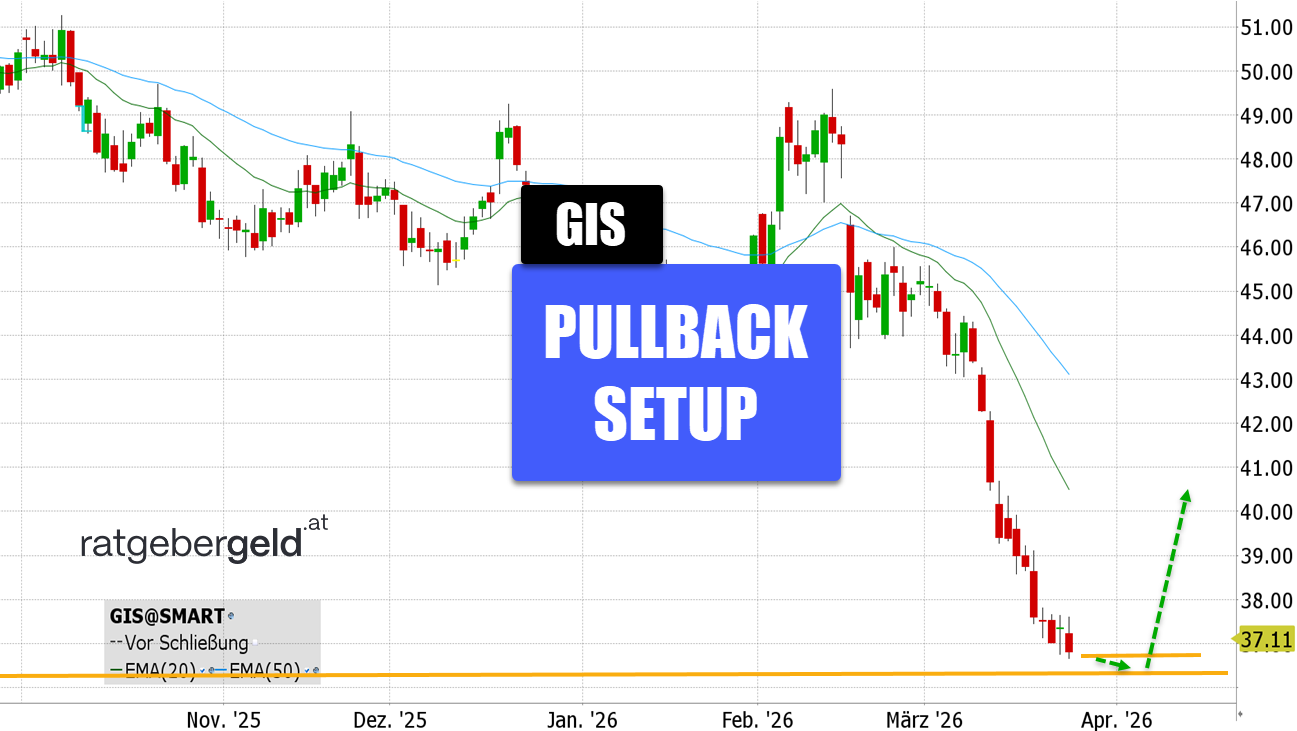
General Mills – GIS: Outside Reversal beim Lebensmittelhersteller!

Related Posts

edit post
U.S. and Iran agree to a conditional ceasefire. What happens now?

U.S. and Iran agree to a conditional ceasefire. What happens now?

by TheAdviserMagazine
April 8, 2026
0

WASHINGTON, DC - APRIL 06: U.S. President Donald Trump speaks alongside Central Intelligence Agency Director John Ratcliffe (L) and U.S....

edit post
Trump Backs Down Again. What Netanyahu

Trump Backs Down Again. What Netanyahu

by TheAdviserMagazine
April 7, 2026
0

Trump’s constant threat of ending the Persian Civilization is just over the top. Why should Iran agree to anything when...

edit post
Market Talk – April 7, 2026

Market Talk – April 7, 2026

by TheAdviserMagazine
April 7, 2026
0

ASIA: The major Asian stock markets had a green day today: • NIKKEI 225 increased 15.88 points or 0.03% to...

edit post
Mises Spotlight: Brandan Buck | Mises Institute

Mises Spotlight: Brandan Buck | Mises Institute

by TheAdviserMagazine
April 7, 2026
0

The Misesian: On February 28, the United States declared war on Iran with Operation Epic Fury. How should Americans view...

edit post
From the Editor—March/April 2026 | Mises Institute

From the Editor—March/April 2026 | Mises Institute

by TheAdviserMagazine
April 7, 2026
0

2026: The Year of RothbardWe clearly live in a time when the idea of freedom is not exactly popular in...

edit post
Sortition: The God That Will Fail

Sortition: The God That Will Fail

by TheAdviserMagazine
April 7, 2026
0

Politics Without Politicians: The Case for Citizen RuleHélène LandemoreThesis, 2026; 309 pp.One way to grasp the essence of Politics Without...

Next Post
edit post
General Mills – GIS:  Outside Reversal beim Lebensmittelhersteller!

General Mills – GIS: Outside Reversal beim Lebensmittelhersteller!

edit post
Five New Lectures from Last Week’s LSC and AERC Academic Conferences

Five New Lectures from Last Week's LSC and AERC Academic Conferences

  • Trending
  • Comments
  • Latest
edit post
Massachusetts loses billions in income after millionaire tax

Massachusetts loses billions in income after millionaire tax

March 24, 2026
edit post
Illinois’ Paid Leave for All Workers Act Takes Effect — Every Employee Now Gets Guaranteed Time Off

Illinois’ Paid Leave for All Workers Act Takes Effect — Every Employee Now Gets Guaranteed Time Off

March 27, 2026
edit post
Virginia Permits ADULT MIGRANT MEN To Attend High School

Virginia Permits ADULT MIGRANT MEN To Attend High School

March 30, 2026
edit post
A 58-year-old left NYC for Miami to save on taxes — then retired early thanks to hidden savings. Here’s the math

A 58-year-old left NYC for Miami to save on taxes — then retired early thanks to hidden savings. Here’s the math

March 30, 2026
edit post
Tax Flight Accelerates In Massachusetts

Tax Flight Accelerates In Massachusetts

April 6, 2026
edit post
Property Tax Relief & Income Tax Relief

Property Tax Relief & Income Tax Relief

April 1, 2026
edit post
U.S. and Iran agree to a conditional ceasefire. What happens now?

U.S. and Iran agree to a conditional ceasefire. What happens now?

0
edit post
How To Set Up A Trading Business For Valuable Tax Benefits |

How To Set Up A Trading Business For Valuable Tax Benefits |

0
edit post
UBS joins major banks to test Swiss franc stablecoin in sandbox

UBS joins major banks to test Swiss franc stablecoin in sandbox

0
edit post
Nike’s Real Problem Isn’t Sales: It’s Relevance

Nike’s Real Problem Isn’t Sales: It’s Relevance

0
edit post
Will the Social Security Trust Fund Be Depleted By 2027?

Will the Social Security Trust Fund Be Depleted By 2027?

0
edit post
The Sneaky Disney World Expenses Most Visitors Forget to Budget

The Sneaky Disney World Expenses Most Visitors Forget to Budget

0
edit post
U.S. and Iran agree to a conditional ceasefire. What happens now?

U.S. and Iran agree to a conditional ceasefire. What happens now?

April 8, 2026
edit post
The Sneaky Disney World Expenses Most Visitors Forget to Budget

The Sneaky Disney World Expenses Most Visitors Forget to Budget

April 8, 2026
edit post
UBS joins major banks to test Swiss franc stablecoin in sandbox

UBS joins major banks to test Swiss franc stablecoin in sandbox

April 8, 2026
edit post
Research suggests that people who pursue happiness directly almost never find it – but people who pursue meaning, connection, and acceptance report a quiet contentment that outlasts every peak experience

Research suggests that people who pursue happiness directly almost never find it – but people who pursue meaning, connection, and acceptance report a quiet contentment that outlasts every peak experience

April 8, 2026
edit post
Asian stocks rally after Iran ceasefire, yet details on Hormuz opening remain unclear

Asian stocks rally after Iran ceasefire, yet details on Hormuz opening remain unclear

April 8, 2026
edit post
Crude may soften, but global supply challenges remain: Peter McGuire

Crude may soften, but global supply challenges remain: Peter McGuire

April 8, 2026
The Adviser Magazine

The first and only national digital and print magazine that connects individuals, families, and businesses to Fee-Only financial advisers, accountants, attorneys and college guidance counselors.

CATEGORIES

  • 401k Plans
  • Business
  • College
  • Cryptocurrency
  • Economy
  • Estate Plans
  • Financial Planning
  • Investing
  • IRS & Taxes
  • Legal
  • Market Analysis
  • Markets
  • Medicare
  • Money
  • Personal Finance
  • Social Security
  • Startups
  • Stock Market
  • Trading

LATEST UPDATES

  • U.S. and Iran agree to a conditional ceasefire. What happens now?
  • The Sneaky Disney World Expenses Most Visitors Forget to Budget
  • UBS joins major banks to test Swiss franc stablecoin in sandbox
  • Our Great Privacy Policy
  • Terms of Use, Legal Notices & Disclosures
  • Contact us
  • About Us

© Copyright 2024 All Rights Reserved
See articles for original source and related links to external sites.

Welcome Back!

Login to your account below

Forgotten Password?

Retrieve your password

Please enter your username or email address to reset your password.

Log In
No Result
View All Result
  • Home
  • Financial Planning
    • Financial Planning
    • Personal Finance
  • Market Research
    • Business
    • Investing
    • Money
    • Economy
    • Markets
    • Stocks
    • Trading
  • 401k Plans
  • College
  • IRS & Taxes
  • Estate Plans
  • Social Security
  • Medicare
  • Legal

© Copyright 2024 All Rights Reserved
See articles for original source and related links to external sites.