
Switzerland is now preparing to vote on a proposal to cap its population at 10 million by 2050, and the entire debate is being framed in the press as merely an immigration issue. That is far too simplistic. What this really reflects is a rising global tension between economic reality, demographic trends, and political narratives about sustainability and population management.
Under the initiative, once the population approaches 9.5 million, the government would be required to tighten immigration, residency, and asylum policies, and potentially even renegotiate agreements with the EU on free movement if the cap is exceeded. Switzerland already has about 9.1 million residents, with a large share foreign-born, largely from EU countries.
Supporters argue the cap would protect resources, housing, and social systems, while critics warn it could trigger labor shortages and harm economic growth in a country heavily dependent on foreign workers.
I have written many times that the concept of “population control” is not always presented directly. It is often framed as sustainability, climate targets, migration limits, or resource protection. The terminology changes, but the underlying policy direction becomes increasingly centralized and authoritative. Politicians believe they must begin managing how many people can live, move, and work within a system. That is a very dangerous trend because it expands government authority over the most fundamental aspect of society: demographics.
Switzerland has seen a surge of migrants from Islamic nations, which has led to cultural clashes. The “No to 10 Million Switzerland” initiative acknowledges the downfalls of mass migration as the Swiss People’s Party (SVP) openly wants to close the border and is considered “far-right” for its beliefs. Reframing population control as an issue for the environment and resources would allow the left to jump on board without being demonized for recognizing that certain cultures cannot assimilate to European life.
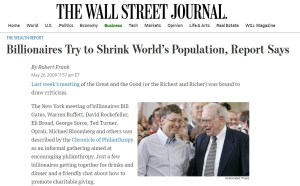

Globalist figures like Bill Gates have openly spoken about population growth in the context of sustainability and resource allocation. I have repeatedly warned that population control is rarely presented bluntly; it is framed as climate policy, public health, sustainability, or infrastructure capacity. The danger is not in any single proposal, but in the normalization of the idea that governments and unelected institutions should “manage” population levels as an economic variable.
Switzerland is particularly important because it is not an EU member yet is deeply integrated into the European economic system. If a population cap forces restrictions on immigration or free-movement agreements, it will not just be a domestic policy shift. It would signal fragmentation in the European labor and capital framework.
The Swiss are in favor of the proposal. The LeeWas research institute conducted a poll in November 2025: 48% are in favor, 41% are against, and 11% are undecided. Yet we know the wishes of the people are never truly acknowledged. The bureaucrats must believe that the measures would benefit them directly.
Nations begin to look inward during times of instability. Tighter immigration control, capital control discussions, increased surveillance of movement and finances—these are all par for the course. Once governments normalize the idea that population levels must be administratively managed for sustainability, it opens the door to broader regulatory control over society.