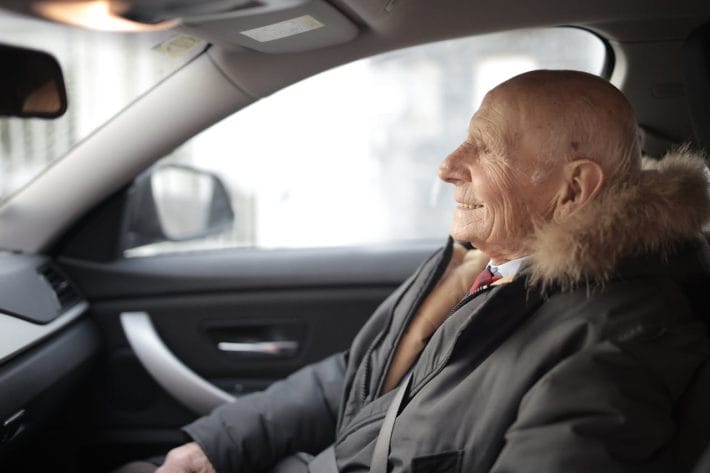
Believe it or not, most people 65 or older are still on the road. There are nearly 48 million licensed drivers over age 65 in the U.S. Most of the time, seniors assume they’ll just go in and renew their license every few years, no questions asked. However, more states have started tightening their rules around age-related driving evaluations. Of course, being told you have to retake a driving test can be incredibly stressful, especially when your independence is on the line. Here are seven events that can trigger a mandatory driving retest for seniors.
1. A Doctor Reports Concerns About Cognitive or Physical Decline
In many states, physicians are legally allowed (and sometimes required) to report concerns about a patient’s ability to drive safely. When a doctor submits this report, it often triggers a senior driving retest to evaluate whether the driver can still operate a vehicle safely. These reports may follow diagnoses such as dementia, stroke, vision loss, or mobility limitations.
Doctors don’t make these decisions lightly; they act when they believe the patient or others may be at risk. Once the report is filed, the DMV typically schedules a written test, vision exam, or behind‑the‑wheel evaluation.
2. A Police Officer Files an Unsafe Driving Incident Report
A traffic stop or accident doesn’t automatically lead to a retest, but certain behaviors can prompt an officer to file a safety concern. This may include drifting between lanes, confusion at intersections, delayed reaction times, or difficulty following instructions. When an officer believes age‑related decline may be a factor, they can submit a request for reevaluation.
The DMV then reviews the incident and may require the senior to complete a retest before renewing or keeping their license. Even minor incidents can trigger this process if they raise red flags.
3. A Pattern of At-Fault Accidents or Near Misses
Insurance companies and DMVs track accident history closely, and repeated incidents can lead to issues. A single fender‑bender usually isn’t enough, but multiple at‑fault accidents within a short period often prompt a review.
Seniors may also be flagged if they’ve had several near misses reported by law enforcement or documented through insurance claims. These patterns suggest declining driving skills or slower reaction times. A retest helps determine whether the driver can continue safely or needs restrictions.
4. Family Members Submit a Concern to the DMV
Many states allow family members to request a senior driving retest if they believe a loved one is no longer safe behind the wheel. These requests are confidential and typically require a written explanation of the concerns.
The DMV reviews the information and decides whether to require a formal evaluation. While this can be a difficult step for families, it’s often taken out of genuine concern for safety. Seniors may feel blindsided, but the goal is to prevent accidents before they happen.
5. Vision Test Failures During License Renewal
Vision naturally declines with age, and failing a routine eye exam is one of the most common reasons for a retest. If a senior doesn’t meet the minimum vision requirements, the DMV may require a full driving evaluation before renewing the license.
This ensures the driver can still read signs, judge distances, and react to hazards. Sometimes the issue can be corrected with new glasses or cataract surgery, but the retest remains mandatory. Vision‑related retests are among the easiest to resolve, but they still catch many seniors off guard.
6. Medical Events That Affect Reaction Time or Coordination
Certain medical events automatically raise concerns about driving ability, including strokes, seizures, heart attacks, and major surgeries. After these events, the DMV may require an evaluation to confirm the driver has recovered enough to operate a vehicle safely.
Doctors often provide medical clearance, but the DMV still has the final say. These retests focus on reaction time, coordination, and the ability to follow complex driving instructions. Seniors recovering from medical events should expect additional scrutiny before returning to the road.
7. Confusion or Difficulty During the Renewal Process
Sometimes the trigger for a senior driving retest happens right at the DMV counter. If a senior appears confused, struggles to complete paperwork, or cannot answer basic questions about driving rules, staff may flag the renewal for further evaluation.
This doesn’t mean the senior is unfit to drive, but it signals the need for a closer look. DMV employees are trained to identify signs of cognitive decline that could affect driving safety. A retest ensures the driver can still manage the demands of the road.
Staying Safe and Prepared Helps Seniors Keep Their Independence
A senior driving retest isn’t meant to punish older adults; it’s designed to keep everyone on the road safe. Seniors who stay proactive with vision care, regular checkups, and honest self‑assessment are far less likely to face unexpected retests. Families can help by encouraging safe driving habits and discussing concerns early. With preparation and awareness, seniors can maintain their independence while staying safe behind the wheel. Understanding the triggers makes the process far less intimidating.
Has someone in your family ever been asked to take a senior driving retest, or have you seen these rules applied in your state? Share your experience in the comments.
What to Read Next
Death and Taxes: Why More Seniors Are Facing Surprise Bills After a Spouse Passes
8 February Budget Moves Saving Seniors $200+ in 2026
The Silent Crisis: 5 Basic Needs Seniors Can No Longer Afford
9 Regrets Seniors Have About Social Security — From Filing Too Early to Missing Key Credits
8 Subscriptions Seniors Forget to Cancel — And What They Cost