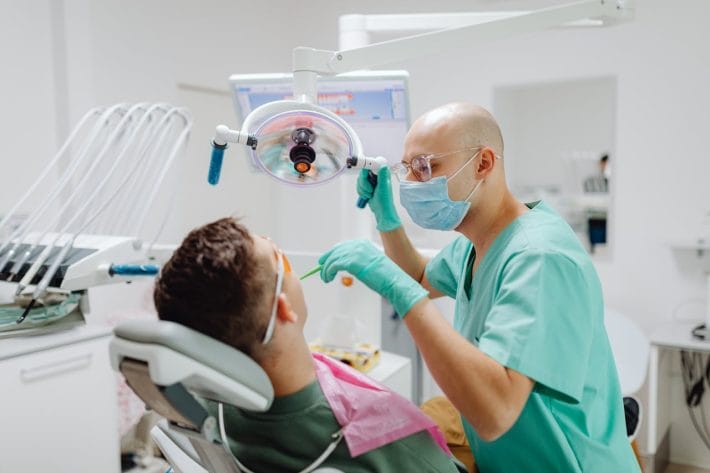
Going to the dentist used to strictly mean sitting in a chair, but in 2026, your first interaction with a provider is increasingly likely to happen through a screen. Faced with a chronic shortage of hygienists and administrative staff, dental practices are aggressively adopting “Teledentistry” to triage patients before they ever enter the building. This shift allows dentists to filter out non-emergencies and handle routine post-op checks without occupying a valuable physical chair. While convenient, this digital layer often comes with a “Virtual Consult Fee” ranging from $45 to $75 that insurance may not fully cover. Understanding when to say “yes” to a video call and when to demand an in-person visit is the new skill patients need to master.
1. Triage for “Emergency” Pain
If you wake up with a toothache on a Saturday, the old model required an expensive trip to the ER or an urgent care clinic. In 2026, practices now encourage a “Teledentistry Triage” call first, where you use your smartphone camera to show the dentist the problem area. This allows the doctor to prescribe antibiotics immediately if an abscess is visible, buying you time until a Monday appointment. However, you must clarify if this video triage includes the cost of the prescription writing. Some plans bill this as a full “Limited Evaluation” (Code D0140), meaning you pay a deductible just for a 10-minute FaceTime.
2. Remote Aligner Monitoring
For patients using clear aligners (like Invisalign), the era of monthly in-office checkups is ending. Dentists are shifting to Remote Monitoring, where patients use a scan box attachment on their phone to send weekly images of their teeth. In 2026, this service is often bundled into a “Digital Management Fee” that replaces the cost of office visits. While it saves you travel time, it also shifts the burden of clinical observation onto you. If you are not diligent with your scans, you may drift off-track without a professional noticing for weeks.
3. The “Hygiene” Pre-Screening
To manage the severe shortage of dental hygienists, some offices are using teledentistry for “Pre-Clinical Screenings” before a cleaning. A dentist reviews your health history and current complaints via video days before your appointment, ensuring the limited time in the chair is used strictly for scraping and polishing. This efficiency measure helps offices serve more patients with fewer staff members. However, it effectively splits one appointment into two interactions, requiring you to schedule time for a video call just to get your teeth cleaned. You should ask if this pre-screen is mandatory or if you can opt out.
4. Post-Op “Look-See” Visits
After a root canal or extraction, the traditional “follow-up” visit to check healing is becoming a digital touchpoint. In 2026, surgeons prefer to have patients upload a high-resolution photo of the surgical site to a secure portal rather than coming in. This saves the patient a trip across town and frees up the surgeon for active procedures. The downside is that subtle complications, like early infection or loose sutures, can sometimes be missed in a 2D photo. If you feel actual pain, do not settle for a photo upload; insist on being seen.
5. Prescription Refill Consults
If you need a refill on special toothpaste or a stronger mouthwash, you no longer need to walk into the office to pick up a script. Teledentistry allows for a quick “Refill Consult” to verify the need and send the prescription electronically to your pharmacy. While efficient, some practices charge a $30 convenience fee for this digital paperwork handling. It is often cheaper to ask for the maximum allowable refills during your physical cleaning to avoid these interim digital charges.
Check Your “Virtual” Benefits
Before booking a video slot, call your dental insurer and ask if “Teledentistry Code D9995” (synchronous) or “D9996” (asynchronous) is covered. If your plan hasn’t updated its fee schedule for 2026, you could be stuck paying the full provider rate for a 15-minute Zoom call.
Did your dentist charge you for a video call this year? Leave a comment below—tell us the price!
You May Also Like…

Teri Monroe started her career in communications working for local government and nonprofits. Today, she is a freelance finance and lifestyle writer and small business owner. In her spare time, she loves golfing with her husband, taking her dog Milo on long walks, and playing pickleball with friends.