Cosmetics packaging is in a state of constant evolution, shaped by shifting consumer expectations, cultural influences, and wider market pressures. Over the past few years, the landscape has changed dramatically. The pandemic heightened awareness of hygiene, driving demand for packaging that feels safe, sealed, and easy to use.
At the same time, consumers have become increasingly conscious of the environmental cost of their beauty regimes, fuelling interest in eco-friendly materials, refill systems, and circular design principles. Convenience, speed, and practicality have also risen in importance, particularly for time-pressed consumers navigating busy daily routines.
But packaging is not just a functional necessity; it is one of the most powerful marketing tools a beauty brand has. In an increasingly saturated market, packaging operates as a key point of differentiation, signalling quality, values, and personality at a single glance. As expectations around personalisation, functionality, visual impact, and sustainability continue to rise, packaging has become a vital lever for building brand loyalty and capturing consumer attention.
Are you ready to find out what trends in beauty and cosmetic packaging Mintel’s experts have identified?
Attitudes Towards Sustainable Cosmetic Packaging Across Markets
Sustainability remains one of the strongest forces shaping cosmetic packaging trends, with awareness and conscious behaviours driving the uptake of clean beauty, but levels of adoption and consumer expectations vary significantly across markets.
In the US, sustainability continues to hold cultural relevance, yet progress is slowed by two key barriers:
A weak recycling infrastructure
Growing consumer fatigue around sustainability claims.
Refillable formats have seen only modest expansion in the US, with just 7% growth in launches between 2022 and 2024, reflecting the logistical challenges and higher costs associated with eco-friendly designs. However, fragrance stands out as an exception: Sustainable fragrance packaging has surged, with an 80% increase in sustainable launches over the same period, signalling strong interest.
In the UK, consumers now view recyclable packaging as a baseline expectation. As a result, brands are increasingly pushed to move beyond simple recyclability and experiment with next-generation materials such as compostable solutions, bio-sourced alternatives, upcycled food-waste substrates, and compostable sachets. Clear and detailed on-pack information is also highly valued, particularly among older consumers who rely on packaging for both ingredient transparency and usage guidance.
In LATAM markets, brands are advancing sustainability through innovative pilot schemes, including reverse-vending initiatives and packaging made from recycled materials such as repurposed coffee-pod aluminium. Eco-friendly claims are especially compelling to hybrid workers in Brazil, who are more receptive to messaging around environmental responsibility and waste reduction.
In European markets, sustainability remains an expectation rather than an added bonus. Yet adoption can still be hindered by infrastructure limitations or consumer fatigue, mirroring some of the challenges seen in the US. Even so, there is visible momentum in alternative materials, including compostable substrates, refillable systems, and recycled-content packaging.
Target consumer demand for durability with refillable beauty packaging
Refillables are a cornerstone of sustainable cosmetic packaging, yet consumer adoption varies widely due to persistent barriers in convenience, accessibility, and perception. While awareness is high — 77% of German consumers say they know how to recycle beauty and personal care packaging — actual engagement with refilling lags behind. Almost 50% have purchased a refill pack in 2024, but only 40% have bought a refillable product, highlighting a critical gap between intention and action.
Some consumers view refills as making products feel cheap, which presents a specific challenge for luxury cosmetic packaging, where brands must balance sustainability with luxury cues, durability, and visual appeal.
Here Mintel identifies the two core challenges that limit the adoption of refills:
Convenience is the defining barrier to refillable beauty packagingConvenience is the most significant hurdle preventing refill systems from becoming a mainstream emerging packaging trend in beauty. In the US, almost 70% of consumers say in-store refilling is inconvenient, citing time, effort, and inconsistent access to refill stations. Similar challenges appear in Europe: Consumers overwhelmingly prefer refill pouches, that are easy to store, use, and recycle, over in-store bottle refills.
The result is a market where recycling remains more common than refilling, not because consumers dislike refillable formats, but because recycling is faster and requires less behavioural change.
Hygiene and infrastructure limit mainstream adoptionHygiene concerns remain a notable deterrent, particularly in the post-pandemic landscape. Some consumers worry about reusing packaging or refilling in-store, fearing compromised product safety. Infrastructure also poses obstacles: Many regions lack widespread refill stations, collection systems, or standardised reusable bottles.
Despite structural challenges, beauty packaging innovation is accelerating, with experimentation around durability, convenience, and aesthetics:
Returnable and reusable packaging schemes using aluminium or durable materials (e.g., Reposit systems that reward consumers for returns).
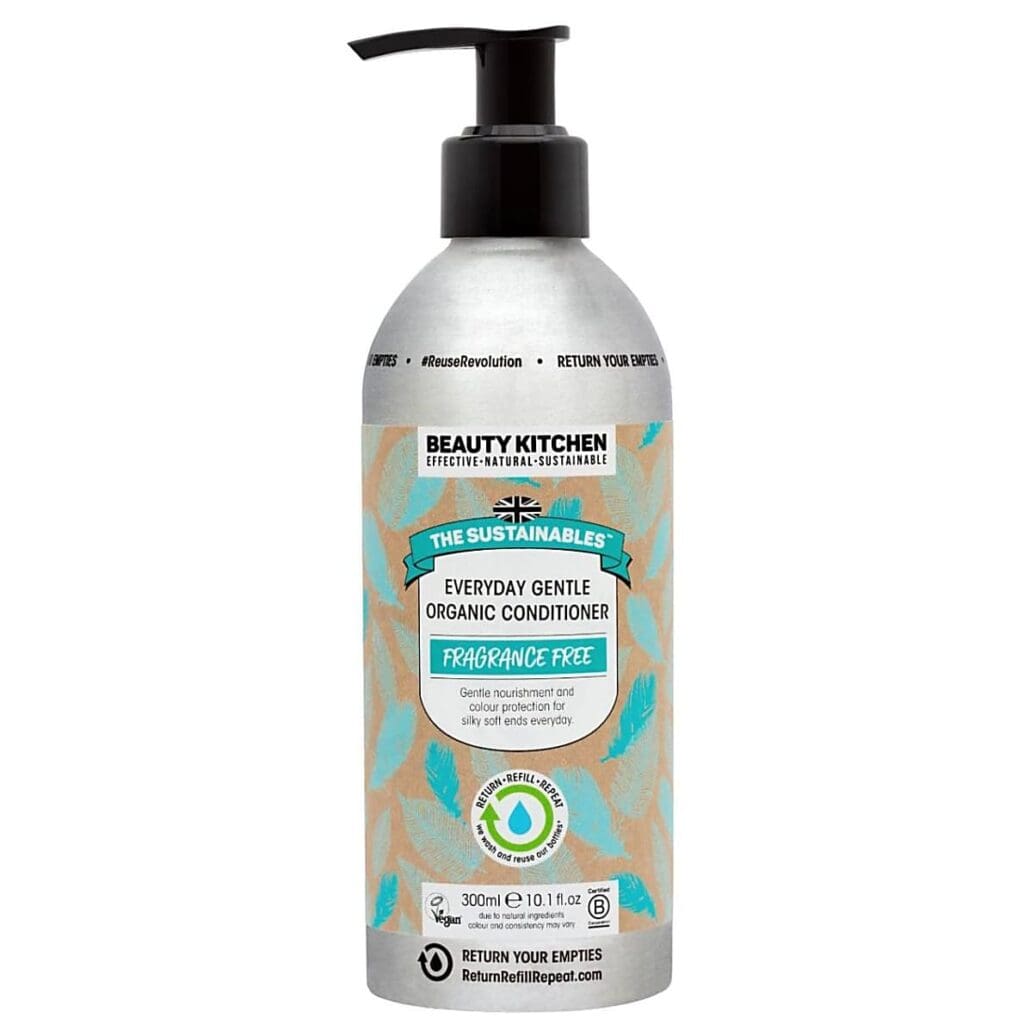
Subscription refill models for categories like deodorants and oral care.
Mail-back pouches and at-home refill systems like Zero, are designed to eliminate the need for in-store refilling altogether, adressing the inconvenience of having to find in-store refill stations.
Perhaps the clearest insight across the cosmetics packaging market is that demand outpaces supply. Consumers demonstrate consistent interest in refill options, yet mass-market brands offer limited choices outside of soap and shower products. This gap signals a significant opportunity for brands to lead innovation by offering durable, attractive, and accessible refill formats.
Material innovation to define the future of beauty packaging
Material choices are rapidly transforming as brands respond to cost pressures, consumer expectations, and the growing demand for sustainable cosmetic packaging. While plastic continues to dominate due to its affordability, the cosmetics packaging market is seeing notable movement toward glass, aluminium, and next-generation paper-based materials. Paperboard, in particular, has experienced significant growth, while traditional plastics and multi-layer boards are steadily declining, signalling a broader shift in cosmetic packaging trends.
Next-generation eco materials: Compostable, upcycled and plant-based
One of the most exciting areas of beauty packaging innovation is the rise of compostable, bio-sourced, and upcycled materials as brands are moving far beyond recyclability:
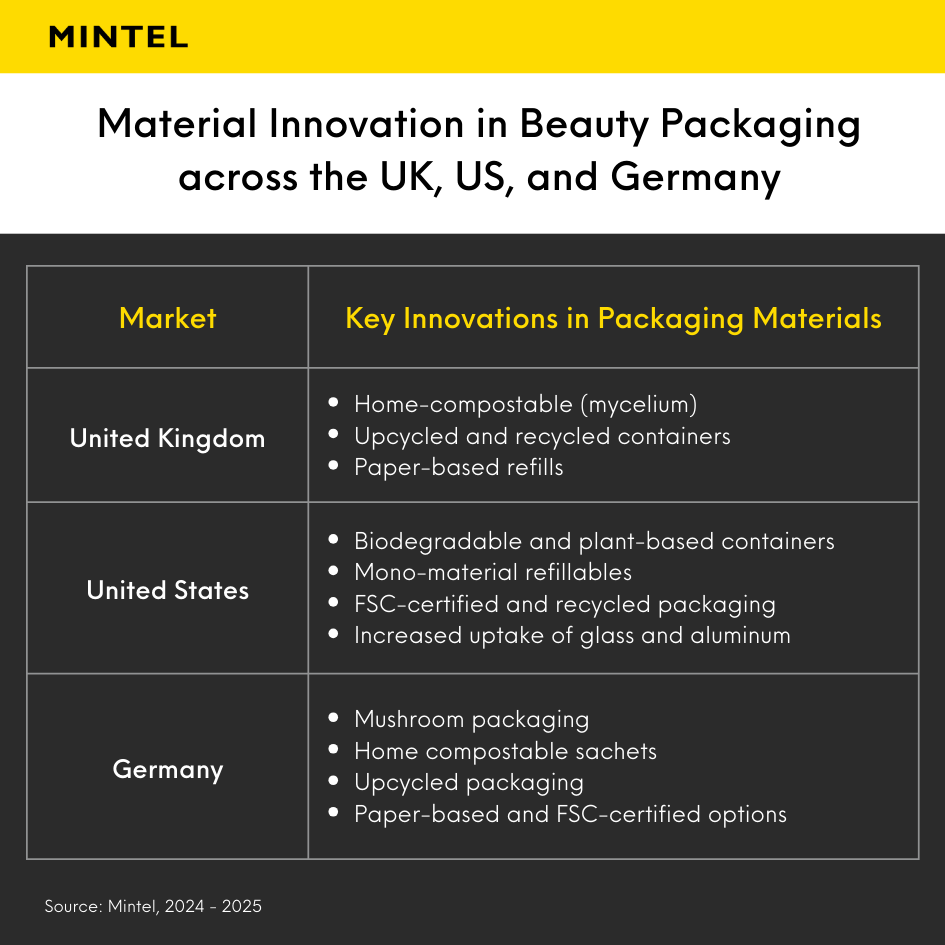
Home-compostable packaging, particularly mycelium (mushroom-based) materials, is gaining traction. Brands like Kind to Skin, Haeckels, and Oio Lab demonstrate its viability in outer packaging.
Upcycled substrates, using plant or food waste, are becoming more common. For example, Wilkinson Sword’s sustainability packaging incorporates 55% plant waste, while tools and razors partially feature recycled plastic.
Biodegradable materials are emerging in colour cosmetics, with innovations like plant-derived gel nails by Green Science Alliance, offering alternatives to conventional plastics.


Luxury cosmetic packaging: Glass and aluminium
Glass is strongly associated with luxury, freshness, and premium quality, making it a staple in luxury cosmetic packaging.
Aluminium is expanding slowly but steadily, driven by its durability, compatibility with refillable beauty packaging, and high recyclability.
Durability and practicality drive consumers’ purchase decisions
Across markets, consumers prioritise durability and practicality above all else, with over half of Germans ranking these as key features when evaluating packaging. Eco-friendly attributes, such as recyclability, refillability, and low-impact materials, remain valued, but they often come second to functional performance. This tension between sustainability and usability is shaping emerging packaging trends in beauty, inspiring brands to develop materials that are both resilient and responsible.
Key Purchase Factors in the Cosmetics Packaging Market
More than half of US beauty and personal care shoppers have sacrificed packaging quality for lower prices, underscoring how financial constraints influence purchasing decisions.
Yet even in a price-sensitive environment, functionality remains essential: Consumers increasingly expect packaging that delivers hygiene, longevity, and user-friendly dispensing. These expectations play a key role in shaping cosmetic packaging trends, especially as brands balance sustainability with convenience.
Convenience is king
Convenience is emerging as one of the strongest drivers in the cosmetics packaging market, often outweighing sustainability. Consumers expect BPC packaging to be practical and intuitive to use.
In Germany, practicality and ease of use rank among the most important packaging attributes. Over half of consumers value portability, durability, and packaging that supports one-handed operation. Convenience grows in importance with age: Consumers over 35 — and particularly those over 55 — seek packaging that is easy to open, read, and handle. Accessibility is a broader expectation, with approximately 60% believing brands should make packaging easier for everyone to use.
Heightened demand for hygiene
The pandemic has had a lasting impact on consumer perceptions of hygiene, which continues to impact cosmetic packaging trends. Cleanliness, contamination risk, and ease of sanitation now play a central role in packaging preferences, influencing choices across skincare, cosmetics, and haircare.
In the UK, brands are encouraged to highlight hygienic benefits, such as antimicrobial features for reusable bottles, and provide clear instructions for cleaning and safe refilling. Addressing these anxieties is essential for broader acceptance of sustainable cosmetic packaging and refill systems.
In the US, stick formats, roller balls, and airless pumps are seen as more hygienic, while only a quarter view jars as sanitary. These perceptions contribute to hesitancy around in-store refilling, with some consumers worried about contamination or unclear cleaning protocols. As a result, disposable or single-use formats remain popular.
In Germany, younger shoppers are especially sensitive, with almost half of those under 35 avoiding jars. The pandemic has amplified awareness of bacterial build-up, making features like airless pumps, external applicators, and refillable options with easy-clean mechanisms increasingly important.
Packaging as a Brand Differentiator
In today’s crowded cosmetics packaging market, packaging serves as a powerful brand differentiator, especially in categories like makeup and fragrance, where over half of US consumers pay close attention to the look and feel of products. As beauty packaging trends evolve, brands are increasingly using design, collectability, and storytelling to elevate perceived value, strengthen loyalty, and stand out both on shelves and online.
Visual appeal and collectability
Across markets, visually appealing packaging is a major purchase driver, especially among younger consumers. 42% of Gen Z and Millennials in Germany say design matters, and over 50% of shoppers under 35 are willing to pay more for packaging that looks distinctive. Many German shoppers also consider beauty products as decorative objects, making packaging an extension of personal style.
In several markets, brands are leaning into vibrant hues, tactile finishes, and retro-inspired aesthetics. This aligns with broader cosmetic packaging trends that favour sensory cues, striking visuals, and unique textures that elevate the unboxing experience.
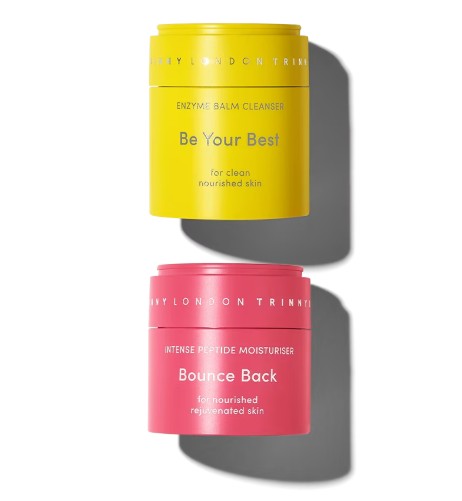
Social media and BPC influencers amplifies these aesthetics: Packaging that is “Instagrammable” naturally boosts brand reach. UK brands like Trinny London exemplify this with bright colours and eccentric graphics that stand out in feeds and on shelves—demonstrating how packaging drives memorability and desirability.
Emotional Branding: Differentiate your brand through emotional connections
As the cosmetics packaging market becomes increasingly saturated, emotional branding and resonance have emerged as a powerful tool for differentiation. And, beyond functionality and aesthetics, emotional value is as influential as product performance.
Capture consumers through storytelling and brand values
Story-rich packaging is gaining traction across markets as a way to communicate brand purpose, heritage, and emotional messaging. In the UK, packaging that incorporates positive affirmations, uplifting messages, or brand-history cues helps consumers feel recognised and valued.
Resonate with buyers through nostalgia, escapism and mood-boosting
Nostalgia-driven design is flourishing across beauty and cosmetics packaging. Retro aesthetics, childhood-inspired motifs, pop-culture references, and whimsical artwork evoke joy, comfort, and familiarity. In Germany, mood-enhancing visuals and artistic or sculptural formats are especially valued, with buyers viewing beauty packaging as decorative objects, thus underscoring the emotional pull of designs that feel collectible or display-worthy.
Make consumers feel extra special with personalised products
Personalisation has become one of the most powerful marketing strategies, reshaping how brands build emotional connections and stand out in a crowded cosmetics packaging market. As younger consumers seek brands that reflect their identity, personalised and customisable formats are increasingly central to the future of beauty packaging.
63% of Gen Z in Germany express interest in personalised formats that allow them to feel uniquely connected to a brand. This shift reflects a wider consumer desire for packaging that expresses individuality, reinforces identity, and creates a sense of ownership, making personalisation in cosmetic packaging a crucial differentiator. Personalised elements, such as engraving, boost perceived value and deepen engagement.
Packaging in Luxury Beauty
In the luxury segment, packaging plays a huge role in shaping brand perception, emotional connection, and long-term loyalty. As the cosmetics packaging market becomes increasingly competitive, luxury brands rely on distinctive design to justify premium positioning and meet the expectations of discerning customers.
Visual Appeal and Distinctiveness:Attractive, visually striking packaging remains one of the strongest differentiators in luxury cosmetic packaging. Approximately 30% of German and French shoppers view aesthetics as a primary marker of quality.
Authentic Localisation:Luxury shoppers value packaging that communicates authenticity, whether through regional ingredients, artisanal techniques, or locally inspired artwork. Limited editions, culturally rooted motifs, and origin-based stories appeal particularly to younger consumers who seek both aspiration and authenticity. This narrative depth strengthens brand identity and positions packaging as a cultural touchpoint rather than a functional container.
Be at the Helm of Beauty Packaging Innovation with Mintel
As consumer expectations evolve, packaging becomes one of the most strategic levers in the beauty industry. From sustainability and material innovation to emotional resonance and personalisation, today’s cosmetic packaging trends reflect a desire for products that are not only functional, but meaningful. Mintel’s expertise identifies that brands that embrace innovation, prioritise convenience, and build authentic connections through design will be best positioned to stand out in a saturated market and shape the future of beauty packaging.
Are you ready to lead the future of beauty packaging? Explore Mintel’s full range of Beauty and Personal Care Reports and all our Packaging Market Research on Mintel Store.
Or, sign up for free to Mintel Spotlight for the latest articles and thought leadership pieces for fresh insights from industry experts.
Subscribe to Spotlight