The tech billionaire, who claims to have fathered over 100 children through sperm donation, frames his unconventional program as a response to a global fertility crisis.
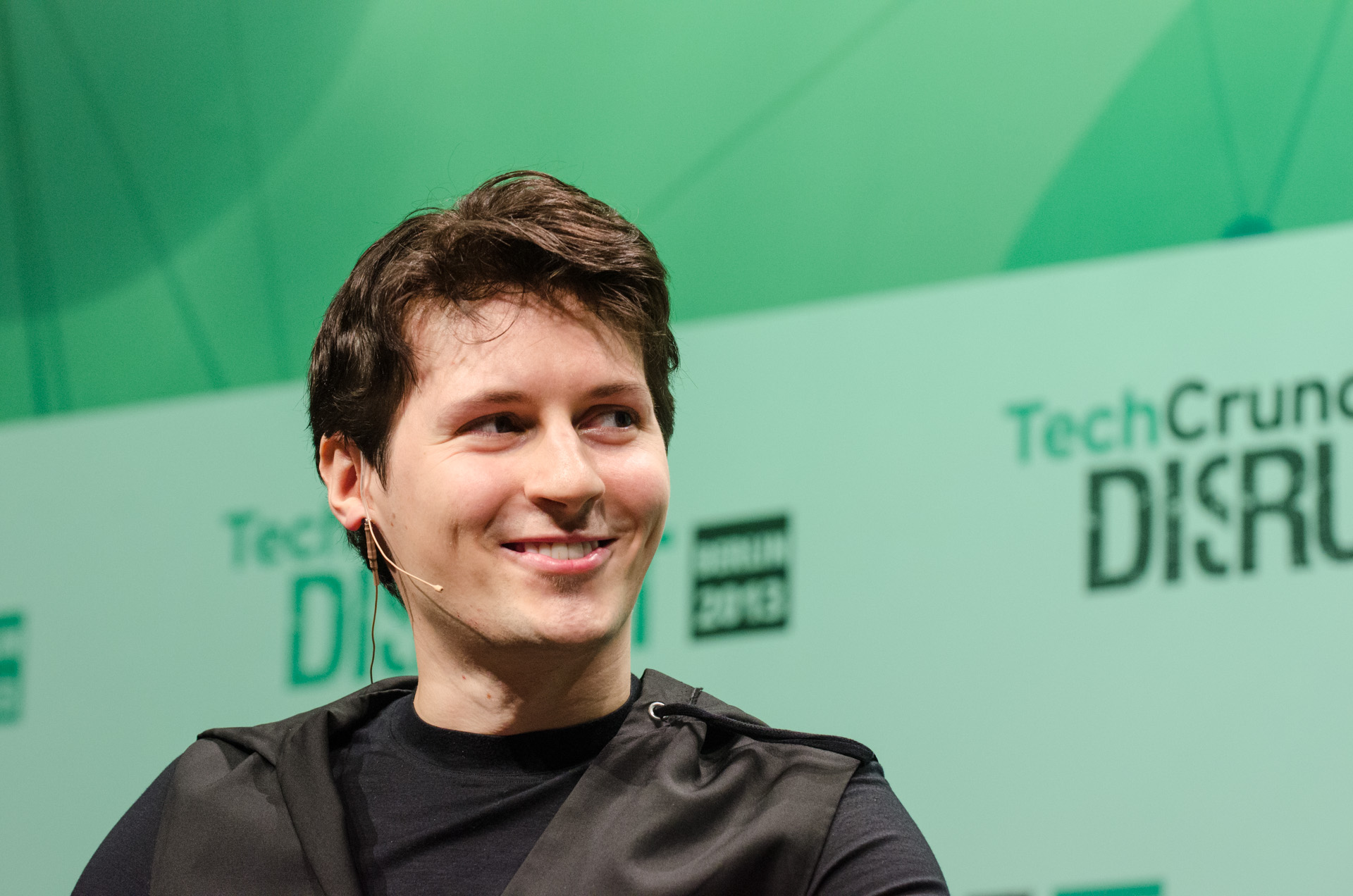
Women have been arriving at a Moscow fertility clinic in response to an unusual offer: free in vitro fertilization treatment, fully funded by one of the world’s wealthiest tech entrepreneurs. The catch? They must use donated sperm from Pavel Durov, the 41-year-old founder of Telegram, according to The Wall Street Journal, which first reported on the program in December 2024.
The AltraVita clinic in Moscow has been marketing Durov’s frozen “biomaterial” on its website, featuring his photograph alongside the Telegram logo and describing him as “one of the most famous and successful entrepreneurs of our time.” The offer is limited to unmarried women under 37 who meet the clinic’s health requirements, with Durov personally covering all IVF-related expenses.
Durov, whose net worth Forbes estimates at approximately $17 billion, claims to have fathered more than 100 children across 12 countries through sperm donation over the past 15 years. This figure does not include the six children he has with three different partners. In a June 2025 interview with French magazine Le Point, the Dubai-based billionaire revealed that all of his biological children would share equally in his estate, with each potentially inheriting roughly $132 million, though they must wait 30 years to access the funds.
The Telegram founder has framed his prolific sperm donations as a response to what he calls a global shortage of “high-quality donor material” and declining male fertility rates. His concerns align with documented scientific trends. A comprehensive meta-analysis published in Human Reproduction Update in November 2022 found that global sperm counts have declined by more than 50% since 1973, with the rate of decline accelerating in recent years. Researchers warned that this worldwide trend could have “broad implications for the survival of the human species.”
Durov has pointed to plastic pollution as a primary culprit in falling sperm counts, echoing scientific literature that links endocrine-disrupting chemicals found in plastics and pesticides to male reproductive health issues. According to the AltraVita clinic’s director, Sergei Yakovenko, who is also Durov’s friend, sharing good genes represents a “social responsibility” given rising male infertility rates.
The program has attracted considerable attention, though not all of it positive. Reproductive ethics experts have raised concerns about the potential consequences of one individual fathering such a large number of children. The risks include accidental incest among half-siblings who may be unaware of their genetic connections, the potential spread of hereditary diseases, and psychological impacts on donor-conceived individuals who discover they have dozens or even hundreds of biological relatives.
These concerns have prompted regulatory discussions at the European level. In June 2025, EU health ministers proposed international limits on so-called “super donors,” citing Durov’s case alongside that of Dutch sperm donor Jonathan Jacob Meijer, who reportedly fathered over 550 children before a court banned him from further donations. Swedish Health Minister Acko Ankarberg Johansson noted that such cases raise “new concerns about the potential psychosocial impact on donor-conceived children.”
Donor-conceived individuals have voiced their own experiences with the practice. Some have described the psychological toll of discovering through DNA tests that they have hundreds of half-siblings. Others have expressed fears about unknowingly entering relationships with genetic relatives, as reported by USA Today. Most sperm banks in the United States are not legally required to cap the number of families that can use a single donor’s genetic material.
Durov has acknowledged these complexities while maintaining his commitment to the program. He has announced plans to “open-source” his DNA, which would allow his biological children to find and connect with one another. In his Telegram post announcing his donor status in July 2024, he wrote that he wanted to help “destigmatize the whole notion of sperm donation and incentivize more healthy men to do it.”
The billionaire’s personal life has also drawn scrutiny alongside his fertility initiatives. He is currently locked in a custody and financial dispute with a former partner in Switzerland, which his spokesperson has characterized as an attempt to “extract money.” Meanwhile, Durov remains under investigation in France following his August 2024 arrest at Le Bourget airport, where he was charged with allegedly failing to control extremist and terrorist content on Telegram. He was released on $5.6 million bail and denies the charges.
Durov is not the only tech billionaire to publicly tie personal reproduction to broader demographic concerns. Elon Musk, who has at least 14 children, has repeatedly urged “smart people” to have more children. When Durov announced his 100-plus offspring, Musk jokingly responded that these were “rookie numbers” compared to Genghis Khan.
Whether Durov’s approach represents a genuine contribution to addressing fertility challenges or raises more ethical questions than it answers remains a matter of debate. What is clear is that the fertility industry operates with minimal international oversight, allowing donors to cross borders and exceed national limits with relative ease. As EU ministers work toward potential regulations, Durov’s frozen sperm samples remain available at the Moscow clinic, waiting for the next woman willing to accept his unconventional offer.