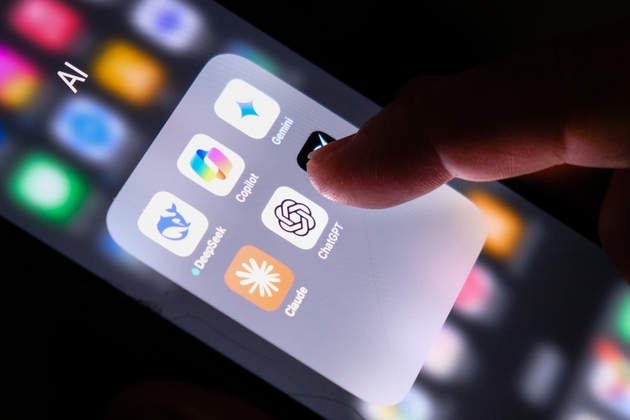
Let’s face it, IT teams have been leaning on the same performance yardsticks for what feels like forever. First-contact resolution, average handling time, mean time to resolution… sound familiar? These KPIs were built for a time when every support ticket was managed by a human, usually over the phone or email.
But things have changed. Fast.
With AI and automation now playing a significant role in IT support, those old-school metrics aren’t telling the whole story anymore. The way we measure service desk success needs a serious refresh to keep up with how support actually works today.
Why Traditional Service Desk Metrics Fall Short
The shift away from speed-obsessed metrics is a big deal for service desks. For years, the industry was laser-focused on how fast tickets got closed; metrics like average handling time and mean time to resolution always made the headlines. But let’s be honest, just because something is done quickly doesn’t mean it’s done well. When support teams are pressured to move fast above all else, it can lead to rushed conversations, half-baked solutions, and throwing tickets over the fence to subject matter experts. That’s not a win for anyone.
Now, with AI and automation in the mix, the old “faster is better” mindset makes even less sense. Bots can handle simple stuff instantly, so the tickets that reach technical analysts are usually the tricky, messy ones that need real attention and empathy. Judging those interactions by speed alone ignores the value of thoughtful problem-solving and a genuinely helpful experience.
Instead, the focus is shifting toward what really matters: making things easy for users, eliminating problems, and leaving people feeling well-supported.
AI-Centric KPIs For Modern Service Desk Success
To measure what truly matters, organizations need a new set of KPIs tailored to AI-driven support environments. These metrics should reflect how well automation works, how users feel about their support experience, and how IT contributes to business goals.
Here are some modern KPIs to consider:
No-contact and low-contact resolution rates. Measure how effectively automation deflects and resolves issues without human intervention.
AI escalation accuracy. Track how smoothly virtual agents hand off complex cases to human agents.
User effort score. Capture how easy or difficult it is for users to get help.
Sentiment analysis. Provide insight into user satisfaction and emotional response.
Time to productivity recovery. Align IT performance with business outcomes by measuring how quickly users return to full productivity after an issue.
These metrics support a shift from service-level agreements (SLAs) to experience-level agreements (XLAs), emphasizing journey quality, user sentiment, and proactive support.
Rethink What “Good” Looks Like
The service desk isn’t just a ticket factory anymore. The service desk is a strategic part of the employee experience. And as AI continues to reshape how support is delivered, the way we measure success needs to evolve, too.
Key Takeaways
Traditional KPIs are outdated in AI-driven environments and don’t reflect user experience or business impact.
Modern metrics should focus on automation maturity, user sentiment, and effort—not just speed.
Business-aligned KPIs, such as time to productivity recovery, help IT demonstrate strategic value and drive organizational success
Let’s Connect
Have questions? That’s fantastic. Let’s connect and continue the conversation! Please reach out to me through social media or request a guidance session. Follow my blogs and research at Forrester.com.











-1024x683.jpg "Florida Roads Become a Battleground for Illegal Immigration")