No Result
View All Result
SUBMIT YOUR ARTICLES
  • Login
Wednesday, July 22, 2026
TheAdviserMagazine.com
  • Home
  • Financial Planning
    • Financial Planning
    • Personal Finance
  • Market Research
    • Business
    • Investing
    • Money
    • Economy
    • Markets
    • Stocks
    • Trading
  • 401k Plans
  • College
  • IRS & Taxes
  • Estate Plans
  • Social Security
  • Medicare
  • Legal
  • Home
  • Financial Planning
    • Financial Planning
    • Personal Finance
  • Market Research
    • Business
    • Investing
    • Money
    • Economy
    • Markets
    • Stocks
    • Trading
  • 401k Plans
  • College
  • IRS & Taxes
  • Estate Plans
  • Social Security
  • Medicare
  • Legal
No Result
View All Result
TheAdviserMagazine.com
No Result
View All Result
Home Market Research Money

10 Spending Habits That Were Okay in the 70s, But Will Ruin You Now

by TheAdviserMagazine
9 months ago
in Money
Reading Time: 4 mins read
A A
10 Spending Habits That Were Okay in the 70s, But Will Ruin You Now
Share on FacebookShare on TwitterShare on LInkedIn


Image Source: Shutterstock

The 1970s were a simpler time—no smartphones, no online banking, and gas under a dollar a gallon. Back then, financial advice was mostly about saving a little from each paycheck and keeping your bills paid. But those old habits don’t hold up in today’s economy, where debt grows faster, prices fluctuate wildly, and digital money moves in seconds. Some financial behaviors that worked 50 years ago can actually sabotage your wallet now. Here are ten spending habits from the 70s that might quietly be wrecking your finances today.

1. Paying With Checks for Everything

In the 1970s, checks were the mark of responsibility. But now, they’re a time-consuming risk. The Federal Trade Commission (FTC) warns that paper checks are more vulnerable to fraud and identity theft than digital payments. They also delay transactions, making it harder to track balances in real time. Modern budgeting apps and debit alerts do what checkbooks once did—only faster and safer. Clinging to checks today can lead to overdrafts, late fees, and even stolen account info.

2. Keeping All Savings in a Regular Bank Account

Back in the 70s, parking your money in a passbook savings account was normal. But now, traditional accounts yield almost nothing—while high-yield savings accounts can pay 20–30 times more. With inflation eroding purchasing power, ignoring higher-yield options is a losing move. CDs, money market accounts, or even Treasury bills can offer better short-term growth with low risk. Keeping all cash “safe” in a basic account today means guaranteed loss to inflation.

3. Financing Everything With Store Credit

Department store cards were popular in the 70s—they offered discounts and credit access when few people had bank cards. But now, these cards carry some of the highest interest rates in retail, often above 30%. Using them for daily purchases can snowball debt fast. A better alternative is a cash-back or low-interest credit card with broader protections. Store credit was once convenient—today, it’s a financial trap.

4. Buying the Biggest House You Can “Afford”

The 70s housing market rewarded buyers who stretched their budgets. For example, prices were stable, and mortgages were cheap. But now, oversized homes come with high insurance, maintenance, and property taxes. The smart move now is buying below your means to protect your cash flow. Overspending on a house today locks you into decades of financial pressure that no “American Dream” can justify.

5. Paying With Cash to Avoid Credit

In the 70s, avoiding credit was a badge of honor. But today, no credit history can hurt you more than bad credit. Lenders, landlords, and even insurers use credit scores for risk assessment. Having no credit can block access to loans or drive up rates by thousands over time. Responsible credit use now builds protection and flexibility that cash-only lifestyles can’t provide.

6. Ignoring Retirement Until Your 40s

Boomers could start saving for retirement later because pensions filled the gap. But with pensions nearly extinct, waiting is dangerous. Starting at 25 versus 40 can mean hundreds of thousands more by retirement. Compounding is everything—and the later you start, the harder it is to catch up. What worked for your parents will not work for you in a 401(k)-driven world.

7. Buying New Cars Every Few Years

In the 70s, car models changed constantly, and trade-ins were part of middle-class life. But with new cars averaging over $50,000, according to Kelley Blue Book, frequent upgrades are financial suicide. Depreciation now erases thousands the moment you drive off the lot. Keeping a reliable car for a decade saves insurance, taxes, and interest. Style changes fast—but debt lasts longer.

8. Paying Bills by Mail

Once the standard, mailing bills now invites late fees and lost payments. The U.S. Postal Service continues to experience slower delivery times, meaning checks may arrive days late. Online bill pay ensures instant delivery and confirmation receipts. Paper billing also increases exposure to mail theft, one of the fastest-growing forms of identity fraud. Auto-pay systems prevent missed due dates and keep your credit score spotless.

9. Avoiding the Stock Market Entirely

Many people in the 70s viewed stocks as risky gambling—and that fear still lingers. But historically, the S&P 500 has outperformed savings accounts and bonds by wide margins over every 20-year period. Staying out of the market now almost guarantees lower long-term returns. Even conservative index funds or target-date retirement funds can grow wealth steadily. The new risk is not investing at all.

10. Treating Debt Like a Moral Failure

Older generations viewed debt as shameful, but avoiding all debt limits financial flexibility. Used strategically, debt can build credit, buy appreciating assets, and open opportunities. The key difference is intention: leveraging debt, not drowning in it. Balance debt-to-income ratios under 36%. Responsible borrowing today can be a tool for progress, not punishment.

From Retro Habits to Modern Money Smarts

Your grandparents’ financial habits built stability in their era—but the economy has changed. Inflation, digital transactions, and new financial products demand updated strategies. The safest path today isn’t clinging to the past—it’s adapting what worked then to fit the modern world. Outdated money rules can quietly cost you thousands if left unexamined. Which 70s habit are you still holding onto?

Do you still follow any of your parents’ old-school money habits? Share which ones still work—and which you’ve had to leave behind—in the comments below.

You May Also Like…

Teri Monroe started her career in communications working for local government and nonprofits. Today, she is a freelance finance and lifestyle writer and small business owner. In her spare time, she loves golfing with her husband, taking her dog Milo on long walks, and playing pickleball with friends.



Source link

Tags: 70shabitsRuinspending
ShareTweetShare
Previous Post

10 Reasons We May Be at the End of BNPL

Next Post

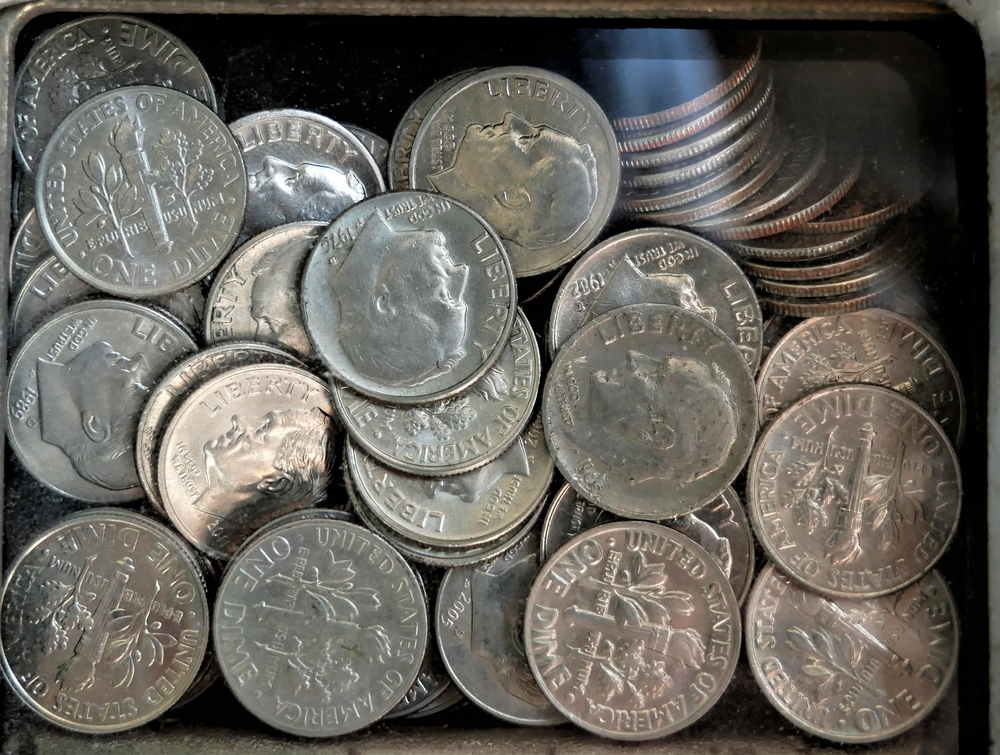
How Many Dimes Are In 5 Dollars?

Related Posts

edit post
When is it worth buying a U.S.-listed ETF over a Canadian one?

When is it worth buying a U.S.-listed ETF over a Canadian one?

by TheAdviserMagazine
July 22, 2026
0

In June 2026, the Vanguard S&P 500 ETF (VOO) became the first ETF to surpass US$1 trillion in assets. In...

edit post
Why Your Insulin Price Could Change Even When Your Insurance Plan Doesn’t

Why Your Insulin Price Could Change Even When Your Insurance Plan Doesn’t

by TheAdviserMagazine
July 21, 2026
0

Before he died, my father had a rough battle with diabetes. Managing the disease is challenging enough without being surprised by...

edit post
How to Tell Whether a Government Check Is Legitimate

How to Tell Whether a Government Check Is Legitimate

by TheAdviserMagazine
July 21, 2026
0

Imagine opening your mailbox and finding an unexpected U.S. Treasury check for several hundred dollars. You weren’t expecting a tax...

edit post
Ted Cruz Calls Trump Accounts a Path to Social Security Privatization—Economist Disagrees

Ted Cruz Calls Trump Accounts a Path to Social Security Privatization—Economist Disagrees

by TheAdviserMagazine
July 21, 2026
0

Social Security privatization has been one of the most politically sensitive topics in Washington. Now, a new debate has emerged...

edit post
20 DIY Christmas Decor Ideas for Broke People

20 DIY Christmas Decor Ideas for Broke People

by TheAdviserMagazine
July 21, 2026
0

Growing up, we didn’t have much money for Christmas decorations, but somehow our house still felt magical every December. My...

edit post
FTC Says Some “Made in the USA” Claims May Mislead Shoppers

FTC Says Some “Made in the USA” Claims May Mislead Shoppers

by TheAdviserMagazine
July 20, 2026
0

When you see a product labeled “Made in the USA,” it’s natural to feel confident that your purchase supports domestic...

Next Post
edit post
How Many Dimes Are In 5 Dollars?

How Many Dimes Are In 5 Dollars?

edit post
Shein Is Winning: Here’s Why Brick-and-Mortar Clothing Stores Can’t Keep Up With Shein

Shein Is Winning: Here’s Why Brick-and-Mortar Clothing Stores Can’t Keep Up With Shein

  • Trending
  • Comments
  • Latest
edit post
Mass Fraud in Massachusetts Committed by Illegal Immigrants Discovered

Mass Fraud in Massachusetts Committed by Illegal Immigrants Discovered

June 22, 2026
edit post
New Jersey Tax-Relief Events: Three July Dates Near Seniors

New Jersey Tax-Relief Events: Three July Dates Near Seniors

July 13, 2026
edit post
Bristlecone pines growing in the White Mountains of California germinated before the Great Pyramid was built, and the oldest one alive today, nicknamed Methuselah, has been quietly adding rings for 4,855 years in soil so poor almost nothing else survives beside it

Bristlecone pines growing in the White Mountains of California germinated before the Great Pyramid was built, and the oldest one alive today, nicknamed Methuselah, has been quietly adding rings for 4,855 years in soil so poor almost nothing else survives beside it

July 8, 2026
edit post
Retail giant exits U.S. fashion after multi-million-dollar scandal

Retail giant exits U.S. fashion after multi-million-dollar scandal

July 1, 2026
edit post
Same Portfolio. Same Retirement. A 10-Mile Move Costs One Couple ,000 A Year

Same Portfolio. Same Retirement. A 10-Mile Move Costs One Couple $10,000 A Year

June 27, 2026
edit post
Top Democrats Are Trapped in a Catch 22

Top Democrats Are Trapped in a Catch 22

July 6, 2026
edit post
US Home Builder Sentiment Contracts For 15th Month

US Home Builder Sentiment Contracts For 15th Month

0
edit post
OpenAI’s model breach is not the singularity, but dismissing it as hype is dangerous

OpenAI’s model breach is not the singularity, but dismissing it as hype is dangerous

0
edit post
When is it worth buying a U.S.-listed ETF over a Canadian one?

When is it worth buying a U.S.-listed ETF over a Canadian one?

0
edit post
Irish unis rethink recruitment as Indian students become more outcome-focused

Irish unis rethink recruitment as Indian students become more outcome-focused

0
edit post
Glow raises 0m at .2b valuation

Glow raises $180m at $1.2b valuation

0
edit post
Build vs. Buy: Which Is Best for Your First Rental?

Build vs. Buy: Which Is Best for Your First Rental?

0
edit post
OpenAI’s model breach is not the singularity, but dismissing it as hype is dangerous

OpenAI’s model breach is not the singularity, but dismissing it as hype is dangerous

July 22, 2026
edit post
Better Altcoin Buy: XRP vs. Stellar (XLM)

Better Altcoin Buy: XRP vs. Stellar (XLM)

July 22, 2026
edit post
Irish unis rethink recruitment as Indian students become more outcome-focused

Irish unis rethink recruitment as Indian students become more outcome-focused

July 22, 2026
edit post
Build vs. Buy: Which Is Best for Your First Rental?

Build vs. Buy: Which Is Best for Your First Rental?

July 22, 2026
edit post
Glow raises 0m at .2b valuation

Glow raises $180m at $1.2b valuation

July 22, 2026
edit post
The hardest part of being the reliable one in a family

The hardest part of being the reliable one in a family

July 22, 2026
The Adviser Magazine

The first and only national digital and print magazine that connects individuals, families, and businesses to Fee-Only financial advisers, accountants, attorneys and college guidance counselors.

CATEGORIES

  • 401k Plans
  • Business
  • College
  • Cryptocurrency
  • Economy
  • Estate Plans
  • Financial Planning
  • Investing
  • IRS & Taxes
  • Legal
  • Market Analysis
  • Markets
  • Medicare
  • Money
  • Personal Finance
  • Social Security
  • Startups
  • Stock Market
  • Trading

LATEST UPDATES

  • OpenAI’s model breach is not the singularity, but dismissing it as hype is dangerous
  • Better Altcoin Buy: XRP vs. Stellar (XLM)
  • Irish unis rethink recruitment as Indian students become more outcome-focused
  • Our Great Privacy Policy
  • Terms of Use, Legal Notices & Disclosures
  • Contact us
  • About Us

© Copyright 2024 All Rights Reserved
See articles for original source and related links to external sites.

Welcome Back!

Login to your account below

Forgotten Password?

Retrieve your password

Please enter your username or email address to reset your password.

Log In
No Result
View All Result
  • Home
  • Financial Planning
    • Financial Planning
    • Personal Finance
  • Market Research
    • Business
    • Investing
    • Money
    • Economy
    • Markets
    • Stocks
    • Trading
  • 401k Plans
  • College
  • IRS & Taxes
  • Estate Plans
  • Social Security
  • Medicare
  • Legal

© Copyright 2024 All Rights Reserved
See articles for original source and related links to external sites.