No Result
View All Result
SUBMIT YOUR ARTICLES
  • Login
Wednesday, April 8, 2026
TheAdviserMagazine.com
  • Home
  • Financial Planning
    • Financial Planning
    • Personal Finance
  • Market Research
    • Business
    • Investing
    • Money
    • Economy
    • Markets
    • Stocks
    • Trading
  • 401k Plans
  • College
  • IRS & Taxes
  • Estate Plans
  • Social Security
  • Medicare
  • Legal
  • Home
  • Financial Planning
    • Financial Planning
    • Personal Finance
  • Market Research
    • Business
    • Investing
    • Money
    • Economy
    • Markets
    • Stocks
    • Trading
  • 401k Plans
  • College
  • IRS & Taxes
  • Estate Plans
  • Social Security
  • Medicare
  • Legal
No Result
View All Result
TheAdviserMagazine.com
No Result
View All Result
Home Medicare

Trump Team’s Planned ACA Rule Offers Its Answer to Rising Premium Costs: Catastrophic Coverage

by TheAdviserMagazine
2 months ago
in Medicare
Reading Time: 5 mins read
A A
Trump Team’s Planned ACA Rule Offers Its Answer to Rising Premium Costs: Catastrophic Coverage
Share on FacebookShare on TwitterShare on LInkedIn


Julie Appleby, KFF Health News

The Trump administration has unveiled a sweeping set of regulatory proposals that would substantially change health plan offerings on the Affordable Care Act marketplace next year, aiming, it says, to provide more choice and lower premiums. But it also proposes sharply raising some annual out-of-pocket costs — to more than $27,000 for one type of coverage — and could cause up to 2 million people to drop insurance.

The changes come as affordability is a key concern for many Americans, some of whom are struggling to pay their ACA premiums since enhanced subsidies expired at the end of last year. Initial enrollment numbers for this year fell by more than 1 million.

Health care coverage and affordability have become politically potent issues in the run-up to November’s midterm elections.

The proposed changes are part of a lengthy rule that addresses a broad swath of standards, including benefit packages, out-of-pocket costs, and health care provider networks. Insurers refer to these standards when setting premium rates for the coming year.

After a comment period, the rule will be finalized this spring.

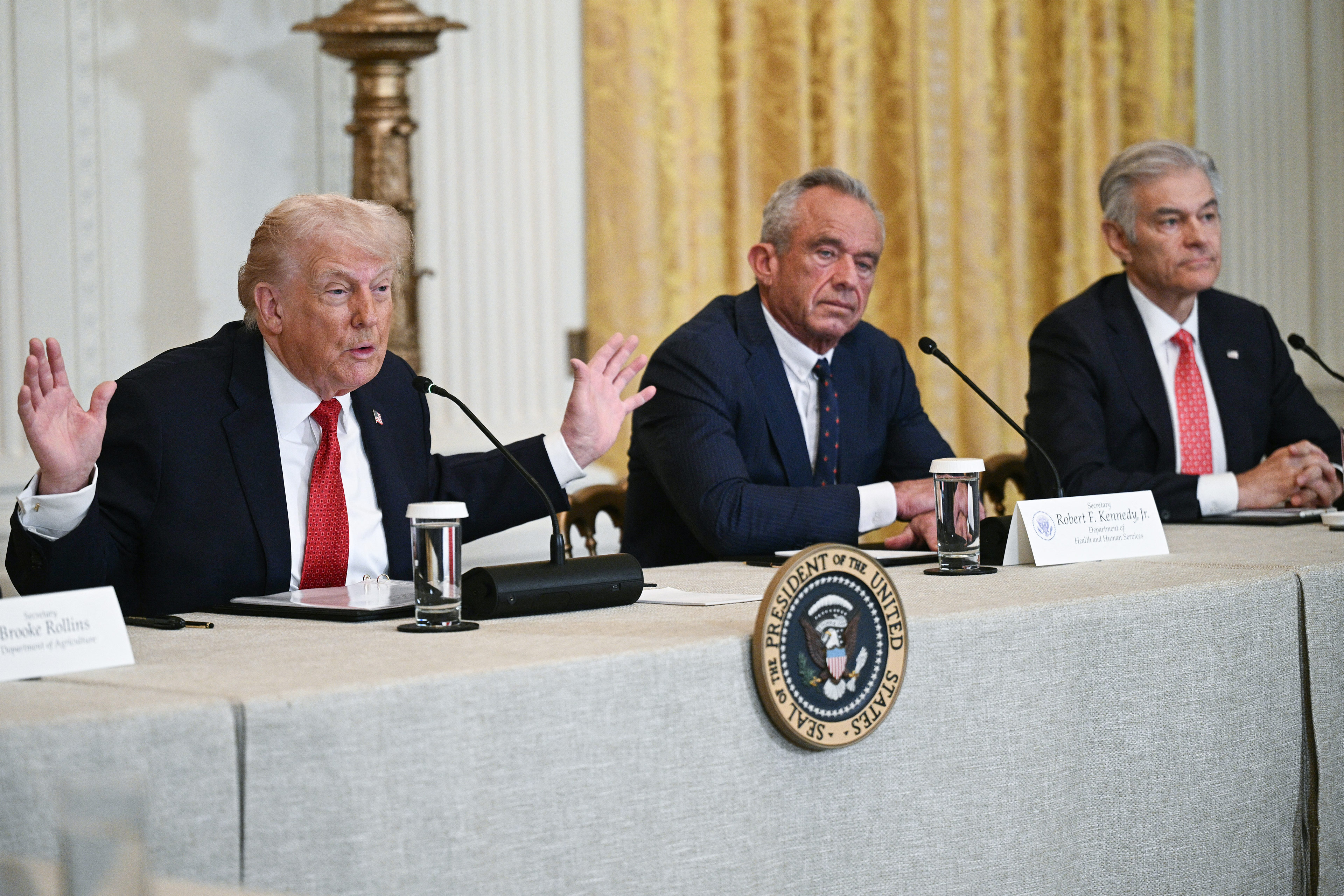
It “puts patients, taxpayers, and states first by lowering costs and reinforcing accountability for taxpayer dollars,” said Centers for Medicare & Medicaid Services Administrator Mehmet Oz in a Feb. 9 press release.

One way it would do so focuses heavily on a type of coverage — catastrophic plans — that last year attracted only about 20,000 policyholders, according to the proposal, although other estimates put it closer to 54,000.

“To me, this proposal reads like the administration has found their next big thing in the catastrophic plans,” said Katie Keith, director of the Health Policy and the Law Initiative at the O’Neill Institute for National and Global Health Law at Georgetown University Law Center.

Such plans have very high annual out-of-pocket costs for the policyholder but often lower premiums than other ACA coverage options. Formerly restricted to those under age 30 or facing certain hardships, the Trump administration allowed older people who lost subsidy eligibility to enroll in them for this year. It is not yet known how many people chose to do so.

The payment rule cements this move by making eligible anyone whose income is below the poverty line ($15,650 for this year) and those earning more than 2.5 times that amount who lost access to an ACA subsidy that lowered their out-of-pocket costs. It also notes that a person meeting these standards would be eligible in any state — an important point because this coverage is currently available in only 36 states and the District of Columbia.

In addition, the proposal would require out-of-pocket maximums on such plans to hit $15,600 a year for an individual and $27,600 for a family, Keith wrote this week in Health Affairs. (The current out-of-pocket max for catastrophic plans is $10,600 for an individual plan and $21,200 for family coverage.) Not counting preventive care and three covered primary care doctor visits, that spending target must be met before a policy’s other coverage kicks in.

In the rule, the administration wrote that the proposed changes would help differentiate catastrophic from “bronze” plans, the next level up, and, possibly, spur more enrollment in the former. Currently, the proposal said, there may not be a significant difference if premiums are similar. Raising the out-of-pocket maximum for catastrophic plans to those levels would create that difference, the proposal said.

“When there is such a clear difference, the healthier consumers that are generally eligible and best suited to enroll in catastrophic plans are more motivated to select a catastrophic plan in lieu of a bronze plan,” the proposal noted.

However, ACA subsidies cannot be used toward catastrophic premiums, which could limit shoppers’ interest.

Enrollment in bronze plans, which currently have an average annual deductible of $7,500, has doubled since 2018 to about 5.4 million last year. This year, that number will likely be higher. Some states’ sign-up data indicates a shift toward bronze as consumers left higher-premium “silver,” “gold,” or “platinum” plans following the expiration of more generous subsidies at the end of last year.

The proposal also would allow insurers to offer bronze plans with cost-sharing rates that exceed what the ACA law currently allows, but only if that insurer also sells other bronze plans with lower cost-sharing levels.

In what it calls a “novel” approach, the proposal would allow insurers to offer multiyear catastrophic plans, in which people could stay enrolled for up to 10 years, and their out-of-pocket maximums would vary over that time. Costs might be higher, for example, in the early years, then fall the longer the policy is in place. The proposal specifically asks for comments on how such a plan could be structured and what effect multiyear plans might have on the overall market.

“As we understand it thus far, insurers could offer the policy for one year or for consecutive years, up to 10 years,” said Zach Sherman, managing director for coverage policy and program design at HMA, also known as Health Management Associates, a health policy consulting firm that does work for states and insurance plans. “But the details on how that would work, we are still unpacking.”

Matthew Fiedler, senior fellow with the Center on Health Policy at the Brookings Institution, said the proposed rule included a lot of provisions that could “expose enrollees to much higher out-of-pocket costs.”

In addition to the planned changes to bronze and catastrophic plans, he points to another provision that would allow plans to be sold on the ACA exchange that have no set health care provider networks. In other words, the insurer has not contracted with specific doctors and hospitals to accept their coverage. Instead, such plans would pay medical providers a set amount toward medical services, possibly a flat fee or a percentage of what Medicare pays, for example. The rule says insurers would need to ensure “access to a range of providers” willing to accept such amounts as payment in full. Policyholders might be on the hook for unexpected expenses, however, if a clinician or facility doesn’t agree and charges the patient the difference.

Because the rule is so sweeping — with many other parts — it is expected to draw hundreds, if not thousands, of comments between now and early March.

Pennsylvania insurance broker Joshua Brooker said one change he would like to see is requiring insurers that sell the very high out-of-pocket catastrophic plans to offer other catastrophic plans with lower annual maximums.

Overall, though, a wider range of options might appeal to people on both ends of the income scale, he said.

Some wealthier enrollees, especially those who no longer qualify for any ACA premium subsidies, would prefer a lower premium like those expected in catastrophic plans, and could just pay the bills up to that max, he said.

“They’re more worried about the half-million-dollar heart attack,” Brooker said. It’s tougher for people below the poverty level, who don’t qualify for ACA subsidies and, in 10 states, often don’t qualify for Medicaid. So they’re likely to go uninsured. At least a catastrophic plan, he said, might let them get some preventive care coverage and cap their exposure if they end up in a hospital. From there, they might qualify for charity care at the hospital to cover out-of-pocket costs.

Overall, “putting more options on the market doesn’t hurt, as long as it is disclosed properly and the consumer understands it,” he said.

KFF Health News is a national newsroom that produces in-depth journalism about health issues and is one of the core operating programs at KFF—an independent source of health policy research, polling, and journalism. Learn more about KFF.

USE OUR CONTENT

This story can be republished for free (details).


Source link

Tags: ACAAnswerCatastrophicCostscoverageoffersplannedPremiumRisingRuleteamsTrump
ShareTweetShare
Previous Post

Unfiled tax returns: what you need to know before the IRS acts

Next Post

Iowa lawmakers mull anti-DEI bills for private and public colleges

Related Posts

edit post
Understanding anxiety and how to manage it

Understanding anxiety and how to manage it

by TheAdviserMagazine
April 7, 2026
0

Racing heart. Tightness in your shoulders. Knots in your stomach. Anxiety doesn’t just live in your thoughts. It can show...

edit post
Immigrant Seniors Lose Medicare Coverage Despite Paying for It

Immigrant Seniors Lose Medicare Coverage Despite Paying for It

by TheAdviserMagazine
April 6, 2026
0

Vanessa G. Sánchez, El Tímpano OAKLAND, Calif. — Rosa María Carranza leaned forward to hold a 3-year-old’s back as the...

edit post
How Medicaid Contractors Stand To Gain From Trump’s Policy

How Medicaid Contractors Stand To Gain From Trump’s Policy

by TheAdviserMagazine
April 3, 2026
0

States are paying contractors such as Deloitte, Accenture, and Optum millions of dollars to help them comply with the One...

edit post
Tax Time Brings Surprises for Some Who Receive ACA Subsidies

Tax Time Brings Surprises for Some Who Receive ACA Subsidies

by TheAdviserMagazine
April 3, 2026
0

Julie Appleby, KFF Health News and Andrew Jones Tax time can come with big surprises for some people who have...

edit post
GOP Mulls More Health Cuts

GOP Mulls More Health Cuts

by TheAdviserMagazine
April 2, 2026
0

The Host Recent polling finds that health costs are a top worry for much of the American public, while Republicans...

edit post
State-Run Insurance Plans for Foster Kids Leave Some of Them Without Doctors

State-Run Insurance Plans for Foster Kids Leave Some of Them Without Doctors

by TheAdviserMagazine
April 2, 2026
0

Andrew Jones Ollie Super has moved in and out of cancer treatment since she was diagnosed with neuroblastoma as a...

Next Post
edit post
CPI Preview: Will Sticky Inflation Derail Fed Cuts and the 2026 Stock Rally?

CPI Preview: Will Sticky Inflation Derail Fed Cuts and the 2026 Stock Rally?

edit post
CEOs still buy into business case for sustainability, despite Trump’s climate rollbacks

CEOs still buy into business case for sustainability, despite Trump's climate rollbacks

  • Trending
  • Comments
  • Latest
edit post
Massachusetts loses billions in income after millionaire tax

Massachusetts loses billions in income after millionaire tax

March 24, 2026
edit post
Illinois’ Paid Leave for All Workers Act Takes Effect — Every Employee Now Gets Guaranteed Time Off

Illinois’ Paid Leave for All Workers Act Takes Effect — Every Employee Now Gets Guaranteed Time Off

March 27, 2026
edit post
Virginia Permits ADULT MIGRANT MEN To Attend High School

Virginia Permits ADULT MIGRANT MEN To Attend High School

March 30, 2026
edit post
A 58-year-old left NYC for Miami to save on taxes — then retired early thanks to hidden savings. Here’s the math

A 58-year-old left NYC for Miami to save on taxes — then retired early thanks to hidden savings. Here’s the math

March 30, 2026
edit post
Tax Flight Accelerates In Massachusetts

Tax Flight Accelerates In Massachusetts

April 6, 2026
edit post
Property Tax Relief & Income Tax Relief

Property Tax Relief & Income Tax Relief

April 1, 2026
edit post
Egypt Goes Dark Amid Energy Crisis

Egypt Goes Dark Amid Energy Crisis

0
edit post
Top Trending Cryptos of 2026 Amid SEC and CFTC Harmonization Talks

Top Trending Cryptos of 2026 Amid SEC and CFTC Harmonization Talks

0
edit post
We’re Selling Our Rentals (Here’s Why)

We’re Selling Our Rentals (Here’s Why)

0
edit post
US-Iran ceasefire sends investors back to their most beloved stocks

US-Iran ceasefire sends investors back to their most beloved stocks

0
edit post
Seniors Could Slash Property Taxes in 2026 — New Relief Programs Are Expanding Nationwide

Seniors Could Slash Property Taxes in 2026 — New Relief Programs Are Expanding Nationwide

0
edit post
RBI maintains optimism on growth, signals caution on inflation and FX volatility: Anubhuti Sahay

RBI maintains optimism on growth, signals caution on inflation and FX volatility: Anubhuti Sahay

0
edit post
US-Iran ceasefire sends investors back to their most beloved stocks

US-Iran ceasefire sends investors back to their most beloved stocks

April 8, 2026
edit post
We’re Selling Our Rentals (Here’s Why)

We’re Selling Our Rentals (Here’s Why)

April 8, 2026
edit post
Coherent – COHR: KI- und Photonik-Revolution hält die Aktie im Aufwärtstrend!

Coherent – COHR: KI- und Photonik-Revolution hält die Aktie im Aufwärtstrend!

April 8, 2026
edit post
a16z-backed Infinite Machine is building e-bikes that feel like mopeds. Cyclists may have qualms

a16z-backed Infinite Machine is building e-bikes that feel like mopeds. Cyclists may have qualms

April 8, 2026
edit post
U.S. and Iran agree to a conditional ceasefire. What happens now?

U.S. and Iran agree to a conditional ceasefire. What happens now?

April 8, 2026
edit post
RBI maintains optimism on growth, signals caution on inflation and FX volatility: Anubhuti Sahay

RBI maintains optimism on growth, signals caution on inflation and FX volatility: Anubhuti Sahay

April 8, 2026
The Adviser Magazine

The first and only national digital and print magazine that connects individuals, families, and businesses to Fee-Only financial advisers, accountants, attorneys and college guidance counselors.

CATEGORIES

  • 401k Plans
  • Business
  • College
  • Cryptocurrency
  • Economy
  • Estate Plans
  • Financial Planning
  • Investing
  • IRS & Taxes
  • Legal
  • Market Analysis
  • Markets
  • Medicare
  • Money
  • Personal Finance
  • Social Security
  • Startups
  • Stock Market
  • Trading

LATEST UPDATES

  • US-Iran ceasefire sends investors back to their most beloved stocks
  • We’re Selling Our Rentals (Here’s Why)
  • Coherent – COHR: KI- und Photonik-Revolution hält die Aktie im Aufwärtstrend!
  • Our Great Privacy Policy
  • Terms of Use, Legal Notices & Disclosures
  • Contact us
  • About Us

© Copyright 2024 All Rights Reserved
See articles for original source and related links to external sites.

Welcome Back!

Login to your account below

Forgotten Password?

Retrieve your password

Please enter your username or email address to reset your password.

Log In
No Result
View All Result
  • Home
  • Financial Planning
    • Financial Planning
    • Personal Finance
  • Market Research
    • Business
    • Investing
    • Money
    • Economy
    • Markets
    • Stocks
    • Trading
  • 401k Plans
  • College
  • IRS & Taxes
  • Estate Plans
  • Social Security
  • Medicare
  • Legal

© Copyright 2024 All Rights Reserved
See articles for original source and related links to external sites.