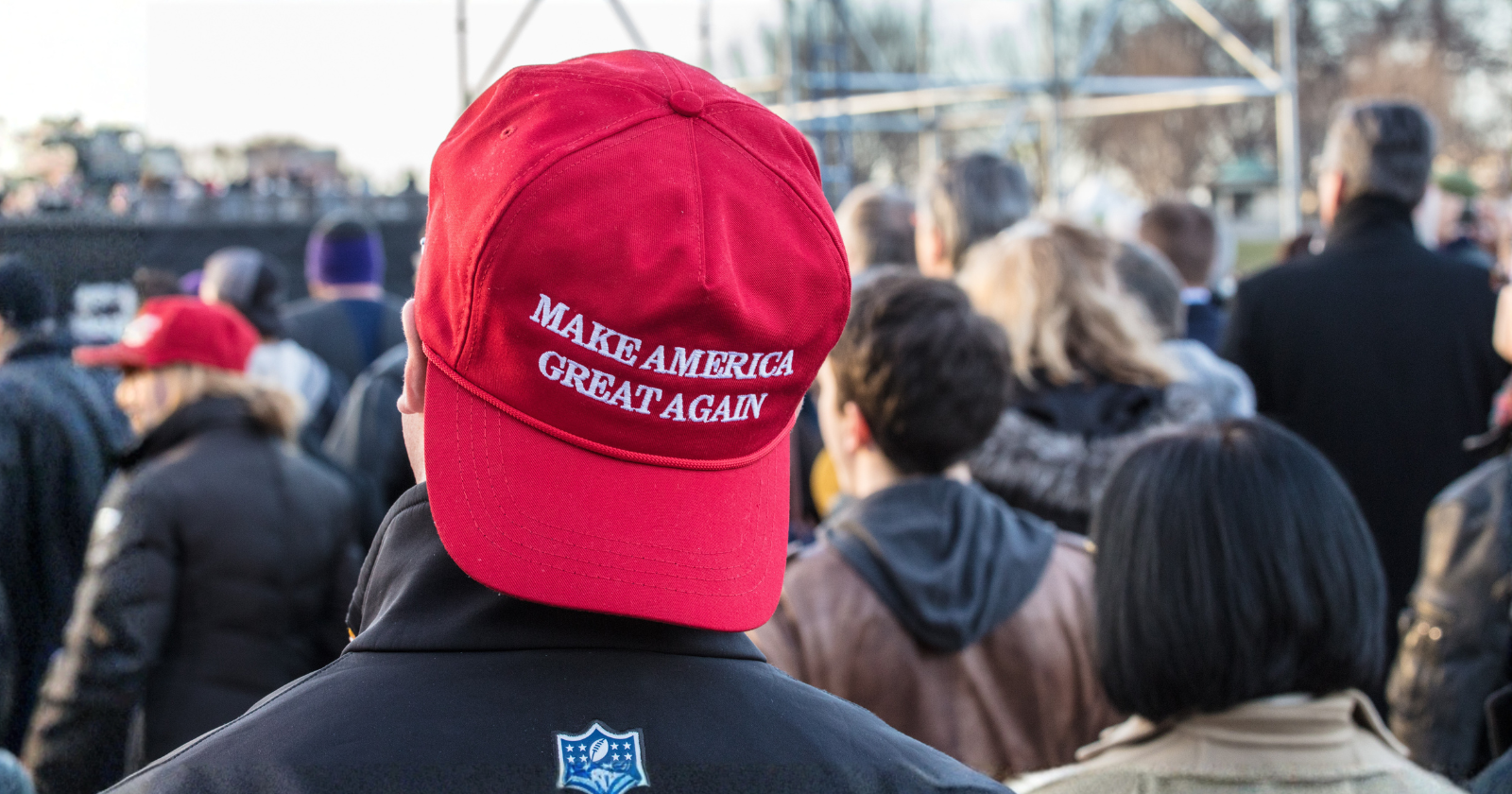
A striking political reversal is unfolding among Generation Z men, the demographic cohort that helped propel Donald Trump to victory in 2024. Recent polling reveals that young men are pulling away from both the former president and the Republican Party in significant numbers, presenting a serious challenge for GOP strategists as the 2026 midterm elections approach.
The shift appears particularly pronounced among 18-to-29-year-old men, who now favor Democratic control of Congress by a 12-point margin. This represents a dramatic reversal from the rightward drift observed just a year ago, when Gen Z men delivered an unexpected boost to Trump’s presidential campaign.
According to the Harvard Youth Poll, conducted in early November 2025, Trump’s approval rating among young Americans stands at just 32 percent among young men and 29 percent overall.
The data suggests that Republicans who viewed Gen Z men as part of a lasting political realignment may need to reconsider their assumptions. While young voters delivered crucial support to Trump last November, the enthusiasm appears to have evaporated remarkably quickly. Among registered young voters overall, Democrats now command a 17-point lead on the generic congressional ballot, with advantages across nearly every demographic subgroup including men, women, Latino voters, Black voters, and white voters.
Economic anxiety drives dissatisfaction
The political shift appears closely tied to mounting economic concerns among young Americans. Deep financial insecurity defines the daily reality for many in this age group, with 43 percent reporting they are either struggling or getting by with limited financial security.
For young people without college degrees, the situation is even more precarious, with roughly half reporting financial hardship compared to 29 percent of college graduates.
John Della Volpe, director of polling at the Harvard Institute of Politics, characterized the findings as evidence of a generation under profound strain. In a statement accompanying the poll’s release, he noted that young Americans feel the systems and institutions meant to support them no longer provide stability, fairness, or responsiveness. The poll found that only 13 percent of young Americans believe the country is headed in the right direction, while 57 percent say things are off on the wrong track.
This economic uncertainty extends beyond immediate financial concerns to encompass broader anxieties about career prospects and job security. Artificial intelligence emerged as a particular source of concern, with 59 percent of respondents worried that AI threatens their future employment opportunities. This figure significantly exceeds concerns about immigration or job offshoring, suggesting that technological disruption weighs heavily on young minds contemplating their economic futures.
Younger Gen Z shows strongest opposition
The backlash against Trump and Republican policies appears most intense among the youngest members of Generation Z.
Research from YouGov and the Young Men’s Research Project found that men born between 2002 and 2007 express particularly strong opposition to core elements of the Trump agenda. Majorities of Gen Z men overall opposed ongoing ICE crackdowns, elimination of vaccine requirements, and unilateral firing of federal workers, but opposition rates climbed even higher among younger respondents.
This age-based variation suggests that formative experiences during the COVID-19 pandemic may be shaping political attitudes in ways that differ from slightly older peers. Many in this youngest cohort were not politically aware during Trump’s first term and experienced their adolescent years amid unprecedented social upheaval and institutional disruption. Charlie Sabgir, author of the YouGov report, suggested to Vox that these young men likely did not fully grasp how unstable the first Trump administration felt to those paying close attention at the time.
The University of Chicago’s GenForward survey reinforces these findings, showing that nearly 60 percent of Gen Z and millennial respondents disapprove of Trump’s performance in office. This represents a six-point drop in favorability compared to the same survey conducted the previous year. Cathy Cohen, a University of Chicago professor, told NPR that young people perceive a failure of delivery from the administration and key political figures.
Dissatisfaction extends to both parties
While the polling data favors Democrats heading into 2026, young Americans express remarkably negative views of both major parties.
When asked to describe each party in one word, 58 percent used negative terms for Democrats with “weak” being most common, while 56 percent used negative words for Republicans, most frequently choosing “corrupt.”
Only 16 percent offered positive descriptions of Democrats and 17 percent for Republicans, with the remainder using neutral terms.
The partisan breakdown reveals an interesting asymmetry in party loyalty. Nearly 48 percent of young Democrats described their own party negatively, compared to just 35 percent who used positive terms. Young Republicans showed greater loyalty to their party, with only 25 percent using negative descriptors and 46 percent offering positive ones.
This suggests that Democratic-leaning young voters are voting for their party more out of rejection of alternatives than genuine enthusiasm for Democratic leadership.
Despite widespread skepticism toward both parties, Democrats maintain a clear advantage for the 2026 midterms. Among registered voters aged 18 to 29, 46 percent prefer Democratic control of Congress compared to 29 percent who favor Republican control, with 24 percent remaining unsure. This Democratic lead extends across major demographic subgroups and appears driven more by a sense that Republicans are less aligned with young people’s priorities than by heightened enthusiasm for Democratic policies.
The polling data paints a portrait of a generation navigating profound uncertainty about their economic futures, the stability of democratic institutions, and the responsiveness of political leadership to their needs.
For Republicans banking on sustained support from Gen Z men, these findings represent a significant warning sign. The demographic cohort that contributed to Trump’s 2024 victory appears to be reconsidering its political alignment far more rapidly than party strategists anticipated.
The shift carries particular weight given that Gen Z and millennials are estimated to comprise roughly half of all eligible voters by 2026. If current trends hold, Democrats could see substantial gains in the midterm elections driven partly by young voters’ return to historical voting patterns that favor progressive candidates. However, the pervasive dissatisfaction with both parties suggests that neither Democrats nor Republicans can take youth support for granted.
The data also reveals deeper concerns about the erosion of institutional trust and social cohesion among young Americans. Only a small minority report feeling deeply connected to their communities, and many avoid political conversations for fear of backlash.
This combination of economic insecurity, institutional skepticism, and social fragmentation creates a volatile political environment where voter sentiment can shift rapidly based on perceived failures to address fundamental concerns about financial stability and future opportunity.