Add Silicon Canals to your Google News feed. 
My grandfather was the strongest man I knew. Worked construction for forty years, raised five kids, never complained about anything. The guy could carry a refrigerator up three flights of stairs and not even break a sweat.
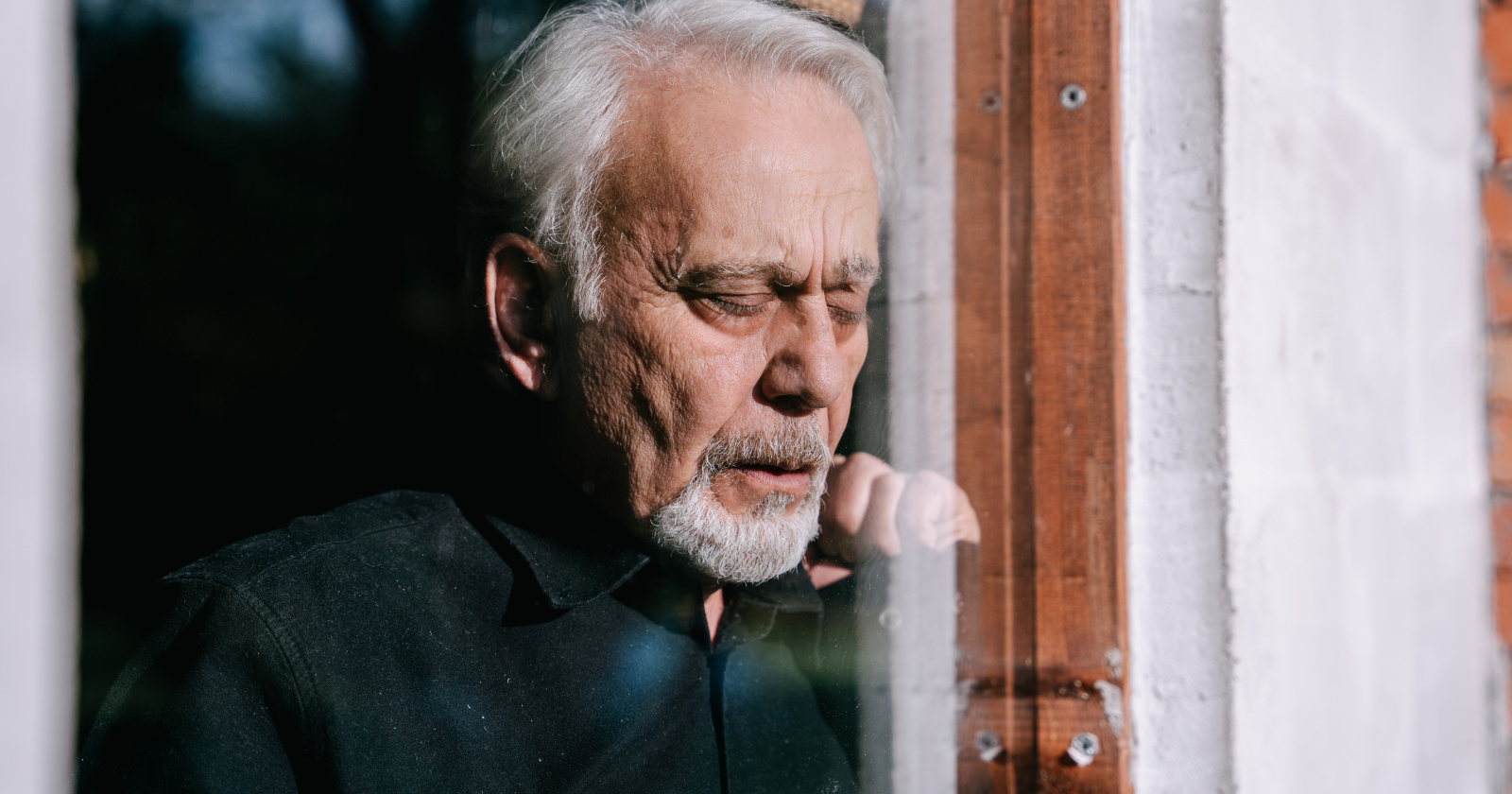
So when I walked into his kitchen one Saturday afternoon and found him crying over a bowl of oatmeal, it stopped me cold.
He didn’t see me at first. I’d come through the back door to return a drill I’d borrowed, and there he was—shoulders shaking, tears running down his face, staring at this ordinary breakfast like it held all the sadness in the world.
When he noticed me, he wiped his face quick and muttered something about allergies. We both pretended that’s what it was. But later, after he passed, my grandmother told me the truth. That morning was their anniversary. And for fifty-three years, she’d made him oatmeal every Saturday morning. Except that year, she was too deep in dementia to remember.
He was crying over a bowl of oatmeal he had to make himself.
That moment changed how I see strength. How I see men. How I see myself.
The weight of ordinary things
We think the big stuff is what breaks us. Death, divorce, losing a job. And yeah, those things hurt like hell.
But sometimes it’s the small stuff that cuts deepest. The empty chair at dinner. The coffee mug nobody uses anymore. The silence where a voice used to be.
My grandfather wasn’t crying because my grandmother forgot their anniversary. He was crying because that bowl of oatmeal represented everything that was slipping away. Their routine. Their connection. The life they’d built together, one Saturday morning at a time.
I get it now. I’m sixty-four myself, and I’ve learned that the ordinary moments are what make a life. Not the big events or the milestones. It’s the daily stuff. The rituals. The things you do together without thinking about it.
When those things disappear, that’s when you feel it.
After my father died, what got me wasn’t the funeral or clearing out his house. It was three months later when the Red Sox made the playoffs and I reached for the phone to call him. That split second before I remembered—that’s what knocked the wind out of me.
The small stuff carries the big stuff. Always has.
What we’re allowed to feel
Growing up in my house, men didn’t cry. That was the rule. You could be angry, sure. You could yell at the TV during a game. But tears? That was weakness.
My father came home exhausted every night from the pipefitting job, and I never once saw him complain. Not when his back hurt. Not when they cut his hours. Not when the doctor told him about the cancer.
He taught me that being a man meant carrying everything inside. You don’t burden other people with your problems. You handle it.
So that’s what I did for most of my life. Handled it.
When my electrical business almost went under in the recession, I handled it. When my oldest son got into drugs in his twenties, I handled it. When my marriage hit a rough patch that lasted two years, I handled it.
You know what handling it looks like? Working yourself sick. Drinking too much. Yelling at the people you love because you don’t know how else to let the pressure out.
My wife finally told me straight: “You’re going to handle yourself into an early grave.”
She was right. But knowing something and changing it are two different animals.
The hardest lesson to unlearn
I’ve spent the last decade trying to unlearn what I spent fifty years perfecting. Turns out, not talking about feelings is a hard habit to break.
My sons helped. When Danny went through his divorce, he’d call me up just to talk. Not to ask for advice or money—just to talk about how he was feeling. First few times, I didn’t know what to do with that. My instinct was to fix it, to give him solutions.
But he didn’t want solutions. He just wanted his dad to listen.
That was new territory for me. In my family, we didn’t do that. If you had a problem, you fixed it. If you couldn’t fix it, you lived with it. You didn’t sit around talking about how it made you feel.
But watching my son handle his pain differently than I’d handled mine—openly, honestly—I started seeing another way.
Started trying it myself. Small steps. Telling my wife when I was worried about something instead of pretending everything was fine. Admitting to my brother that retirement was harder than I expected. Writing in this journal that Donna bought me as a joke but turned into something real.
It’s uncomfortable as hell. But you know what? It’s also a relief.
Strength looks different now
That image of my grandfather crying over oatmeal stays with me. Because he was still the strongest man I knew. The crying didn’t change that—it proved it.
Real strength isn’t about not feeling things. It’s about feeling them and keeping going anyway.
My grandfather took care of my grandmother for three more years after that morning. Fed her, bathed her, sat with her when she didn’t recognize him anymore. And I bet he cried plenty of times when nobody was looking.
That’s not weakness. That’s love. That’s strength. That’s being human.
I think about my own father, who died without ever telling me he loved me. I know he did—he showed it in other ways. Working overtime to pay for college. Teaching me to throw a curveball. Showing up to every single game I played.
But he never said the words. Couldn’t. That wasn’t something men did in his world.
I made sure my boys heard it from me. Still do. Every phone call ends with “love you.” Even when it felt awkward at first. Even when they were teenagers and rolled their eyes. Even now when they’re grown men with their own kids.
Because I’ve learned that the things we don’t say become the things we regret.
Before I go
Thirty years of running my own business taught me a lot about work. But these last few years have taught me more about life.
The oatmeal moment with my grandfather rewired something in me. Made me realize that strength isn’t about what you can carry alone. It’s about knowing when to put it down. When to ask for help. When to cry over the small, ordinary things that hold all our love and loss.
I’m still not great at it. Still catch myself handling things instead of feeling them. But I’m trying. And at sixty-four, trying feels like its own kind of strength.