Add Silicon Canals to your Google News feed. 
Growing up, I wore my independence like a badge of honor. Every adult in my life praised it — teachers, relatives, family friends. “She’s so self-sufficient!” they’d say. “Never needs help with anything!”
At twelve, when my parents divorced, that label became my identity. I handled everything myself, never asked for support, and genuinely believed this made me stronger. It wasn’t until my four-year relationship ended in my mid-twenties that I realized this “strength” had become my biggest relationship obstacle.
If you were that little girl who got constant praise for being independent, you might recognize yourself in what I’m about to share.
Through therapy and a lot of self-reflection, I’ve discovered that those of us who were labeled “so independent” as children often carry specific patterns into our adult relationships.
And here’s the uncomfortable truth: most of these patterns aren’t actually serving us well.
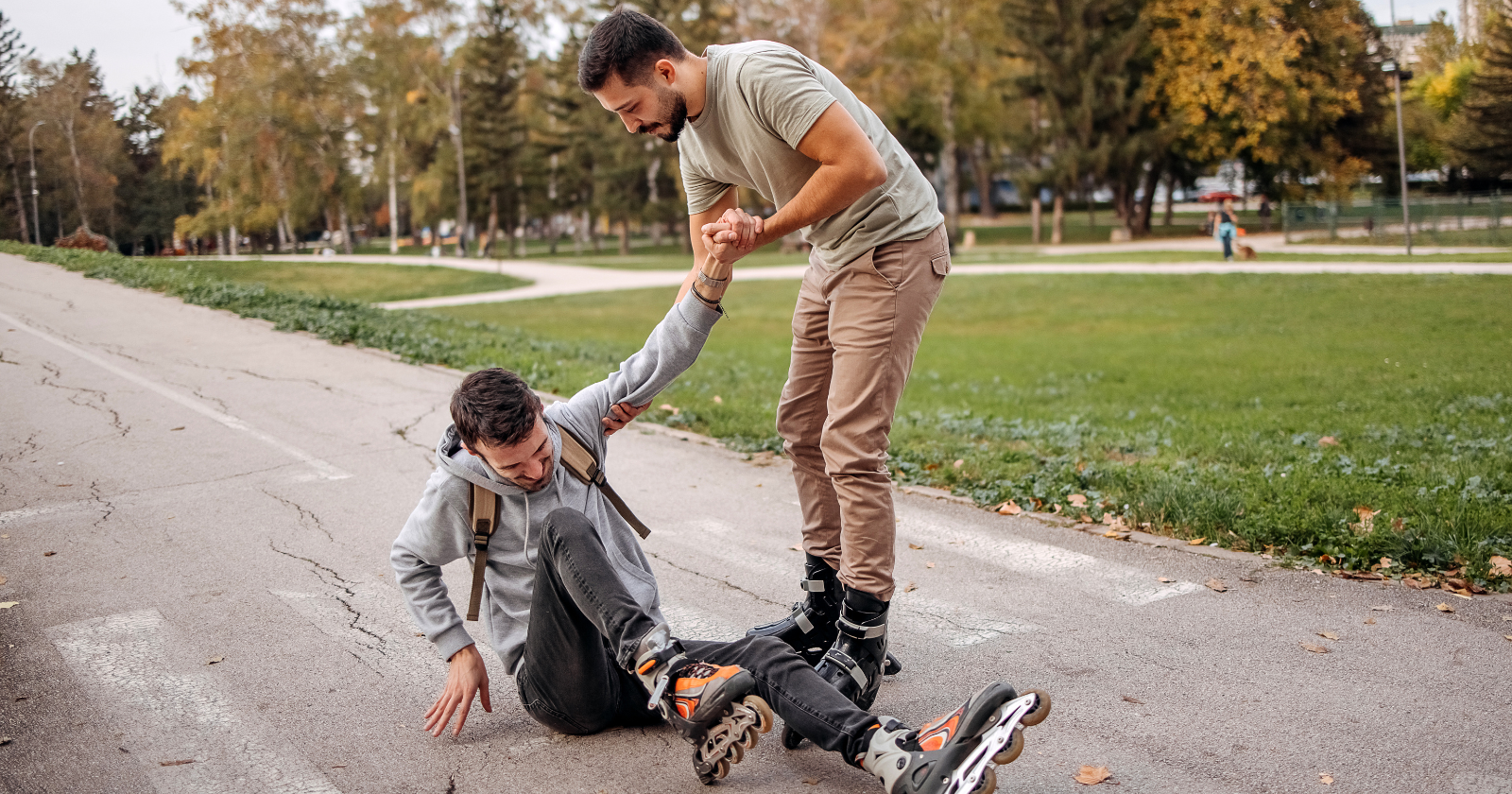
1. You struggle to ask for help, even when you desperately need it
Remember being praised for figuring everything out on your own? That conditioning runs deep. In relationships, this translates to suffering in silence rather than admitting you need support.
Whether it’s emotional support during a tough work week or simply asking your partner to handle dinner because you’re overwhelmed, the words “I need help” feel like admitting defeat.
I once spent an entire weekend stressed about a work deadline, barely sleeping, while my then-boyfriend repeatedly asked if he could help. My automatic response? “I’m fine, I’ve got it.”
The relationship didn’t end because of that specific incident, but that pattern of shutting him out whenever things got tough certainly contributed to our eventual breakup.
2. You confuse emotional distance with strength
Reviewed by Davia Sills notes: “If you have this attachment style, you likely avoid close relationships or keep partners at an emotional distance.”
This hit home hard during therapy. I’d convinced myself that not needing anyone emotionally meant I was strong.
But what I called strength was actually armor — protection against the vulnerability that real intimacy requires. When partners tried to get close, I’d instinctively pull back, maintaining what I thought was healthy independence but was actually unhealthy detachment.
3. You attract partners who reinforce your childhood dynamics
Here’s something that might surprise you: we often unconsciously seek out relationships that mirror our early experiences.
Ekua Hagan explains, “Research has shown that we are primed to be attracted to partners who exhibit similar qualities as our caretakers, whether we liked these qualities or not growing up.”
Looking back, I realize I kept choosing partners who were either emotionally unavailable themselves or who were perfectly comfortable with my distance. It felt familiar, even comfortable. The problem? These relationships never pushed me to grow or challenged my unhealthy patterns.
4. You interpret dependency as weakness
Interdependence — that healthy balance of maintaining your individuality while building a life together — feels impossible when you’ve been conditioned to see any form of dependency as weakness.
You might find yourself keeping separate everything: finances, friend groups, hobbies, even emotional experiences.
After my long-term relationship ended, I discovered through therapy that I’d basically been living a parallel life to my partner rather than sharing one with him. We were two independent people who happened to live together, not a couple building something together.
5. You struggle with vulnerability, even in safe relationships
How comfortable are you with letting your partner see you cry? Or admitting you’re scared about something? For those of us praised for being independent, vulnerability feels like walking into traffic blindfolded.
Dr. Cortney Warren points out that “Being anxiously or insecurely attached to your parents as children makes you more likely to be codependent because you’ll doubt people’s ability to love you, your self-worth, and the reliability of people in your life.”
While we might not be classically codependent, this insecure attachment can manifest as hyper-independence — the opposite extreme of the same attachment wound.
6. You have difficulty receiving love and care
When someone tries to take care of you, does it make you uncomfortable? Do compliments bounce off you? Do acts of service from your partner make you feel guilty or indebted rather than loved?
This was huge for me. I could give love easily, but receiving it felt wrong somehow. Like I was breaking an unspoken rule about self-sufficiency. My ex once told me that loving me sometimes felt like trying to hug a cactus — I was so defended against receiving care that I’d inadvertently hurt people trying to give it.
7. You normalize unhealthy relationship dynamics
Dr. Manly observes that “Children who grow up in toxic environments necessarily accept unhealthy environments as ‘normal.’” When independence is your survival mechanism from childhood, you might not recognize when a relationship lacks healthy interdependence.
You might think it’s normal to handle all emotional labor alone, to never share your struggles, or to maintain complete separation in a partnership. These patterns feel familiar, so they don’t trigger alarm bells even when they should.
8. You may unconsciously sabotage relationships that feel “too close”
When a relationship starts feeling genuinely intimate — when someone really sees you and wants to be there for you — do you find reasons to pull away? Maybe you pick fights, focus on their flaws, or convince yourself you need space.
I did this repeatedly throughout my twenties. Whenever someone got past my walls, panic would set in. The closer they got, the more I’d find ways to create distance. It wasn’t conscious, but looking back, the pattern is crystal clear.
Final thoughts
If you recognize yourself in these patterns, you’re not alone. And more importantly, awareness is the first step toward change.
Dr. Zinn offers hope: “If unhealthy relationships weren’t and boundaries weren’t modeled in your household growing up, therapy is a great option to help foster and develop the skills needed to have healthy and loving relationships in your future.”
Breaking these patterns isn’t about becoming dependent or losing yourself in relationships. It’s about finding that middle ground where you can be both independent and intimate, self-sufficient and supported, strong and vulnerable.
It’s about learning that needing someone doesn’t make you weak — it makes you human.