Add Silicon Canals to your Google News feed. 
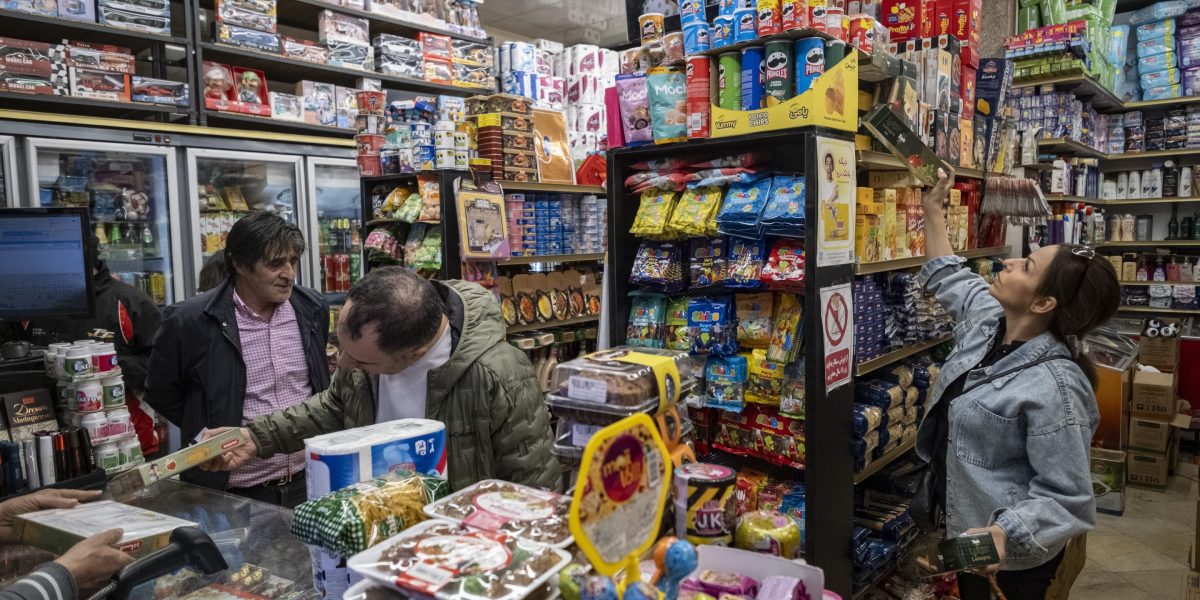
Last week, I watched an elderly gentleman at the grocery store pull out a worn leather wallet thick with cash. The cashier looked surprised—almost confused—as he counted out exact change. Behind him, a line of people tapped their phones and cards impatiently.
But here’s what struck me: this wasn’t about being old-fashioned or resistant to technology. This man had a smartphone in his pocket and a contactless card visible in his wallet. He chose to pay with cash.
It got me thinking about the people who still carry cash despite rarely using it. You know the type—they’ve got a couple of twenties tucked behind their credit cards, maybe a fifty hidden in a separate compartment. They might go weeks without touching it, yet they feel naked without it.
What drives this behavior? And why does it seem particularly common among those who remember when banks failed, when power grids went dark, or when “the system” showed its cracks?
1) They value tangible security over convenience
There’s something primal about physical money. You can hold it, count it, hide it under your mattress if you want to.
For cash carriers, this tangibility represents more than nostalgia—it’s insurance. They’ve often witnessed or experienced moments when digital systems failed. Maybe they remember the 2008 financial crisis when ATMs ran dry. Or they lived through natural disasters where card readers became useless plastic.
My father, who worked in a factory and got involved in union organizing, taught me early that power isn’t always where you think it is. Sometimes it’s in having options when everyone else is stuck. Cash represents that option.
These folks aren’t paranoid. They’re prepared. There’s a difference.
2) They understand the psychology of spending
Here’s something fascinating: behavioral economist Ofer Zellermayer explains that “The pain of paying is a concept from Behavioral Economics and Behavioral Science… The term refers to the negative emotions experienced during the process of paying for a good or service.”
Cash carriers intuitively understand this. When you hand over physical money, you feel the transaction. Your wallet gets lighter. The purchase becomes real in a way that tapping a card never quite achieves.
This awareness often makes them more deliberate spenders. They’re not against spending—they just want to feel it when they do.
3) They maintain boundaries with technology
Cash carriers typically aren’t technophobes. They use online banking, have multiple credit cards, maybe even invest in cryptocurrency. But they draw lines.
They understand that every digital transaction leaves a trail. Every tap creates data. Every purchase feeds an algorithm. Cash remains one of the last truly private transactions available, and they value that privacy not because they have something to hide, but because they remember when privacy was assumed, not negotiated.
4) They learned from history
Running my own company taught me that cash flow isn’t just numbers on a screen—it’s survival. But for many cash carriers, this lesson came from watching history unfold.
They remember stories from grandparents about bank runs during the Depression. They lived through the savings and loan crisis. They watched seemingly stable institutions crumble overnight in 2008. Some experienced hyperinflation in their birth countries or witnessed currency devaluations that wiped out savings.
These aren’t abstract economic concepts to them. They’re lived experiences or inherited memories that shaped their relationship with money.
5) They think in worst-case scenarios (without being pessimistic)
Cash carriers often have what I call “productive paranoia.” They’re not doomsday preppers, but they do ask “what if?” more than most.
What if the power goes out for days? What if there’s a cyber attack on the banking system? What if your cards get frozen due to suspected fraud while you’re traveling?
They’ve thought through these scenarios and decided that carrying cash is a small price for peace of mind. It’s not about expecting disaster—it’s about being ready if it comes.
6) They value independence
Research from the Payments Association indicates that cash remains a regular fixture in the payments landscape, particularly among older, less affluent, and economically inactive demographics, despite the rise of digital payments.
But this misses something crucial. Many cash carriers aren’t using it regularly—they’re keeping it as a declaration of independence. They don’t want to be completely dependent on financial institutions, internet connections, or functioning infrastructure.
Having cash means having options. It means being able to operate outside the system if needed. For people who’ve seen systems fail, this independence isn’t stubbornness—it’s wisdom.
7) They practice delayed gratification naturally
When you carry cash but rarely use it, you’re constantly making a choice not to spend it. This builds a muscle for delayed gratification that card users might never develop.
Every purchase becomes a question: Is this worth breaking my hundred? Is this important enough to use my emergency cash? This mental friction isn’t a bug—it’s a feature. It forces consideration in a world designed for impulse.
8) They understand money as more than numbers
Studies show fascinating psychological effects of physical money. Lan Nguyen Chaplin, Associate Professor of Marketing, found that “Even small children are less helpful after touching money.”
Cash carriers often have a complex relationship with money that goes beyond simple transactions. They understand money as power, as security, as freedom, as responsibility. Physical cash makes these abstract concepts concrete.
For them, those bills in their wallet aren’t just spending power—they’re a physical reminder of hard-earned security and hard-learned lessons.
The bottom line
The divide between cash carriers and the fully digital isn’t really about age or resistance to change. It’s about different relationships with trust, security, and independence shaped by different experiences.
Those who carry cash despite rarely using it aren’t living in the past. They’re carrying lessons from it. They’ve seen enough history—either firsthand or through family stories—to know that systems fail, technology glitches, and sometimes the old ways are the only ways that work.
As we rush toward a cashless society, maybe we should pause and ask what we’re giving up. Not just privacy or the ability to buy a hot dog from a street vendor, but a certain kind of relationship with money that keeps us grounded, aware, and prepared.
I’ve mentioned this before, but understanding why people do what they do often reveals more about our world than any news headline. The cash carriers among us aren’t just quirky holdouts—they’re carrying wisdom earned through experience, often painful experience, about what happens when the systems we trust stop working.
Next time you see someone pull out cash, don’t assume they’re behind the times. They might just be ahead of the curve, preparing for a future where having options matters more than having convenience.