Add Silicon Canals to your Google News feed. 
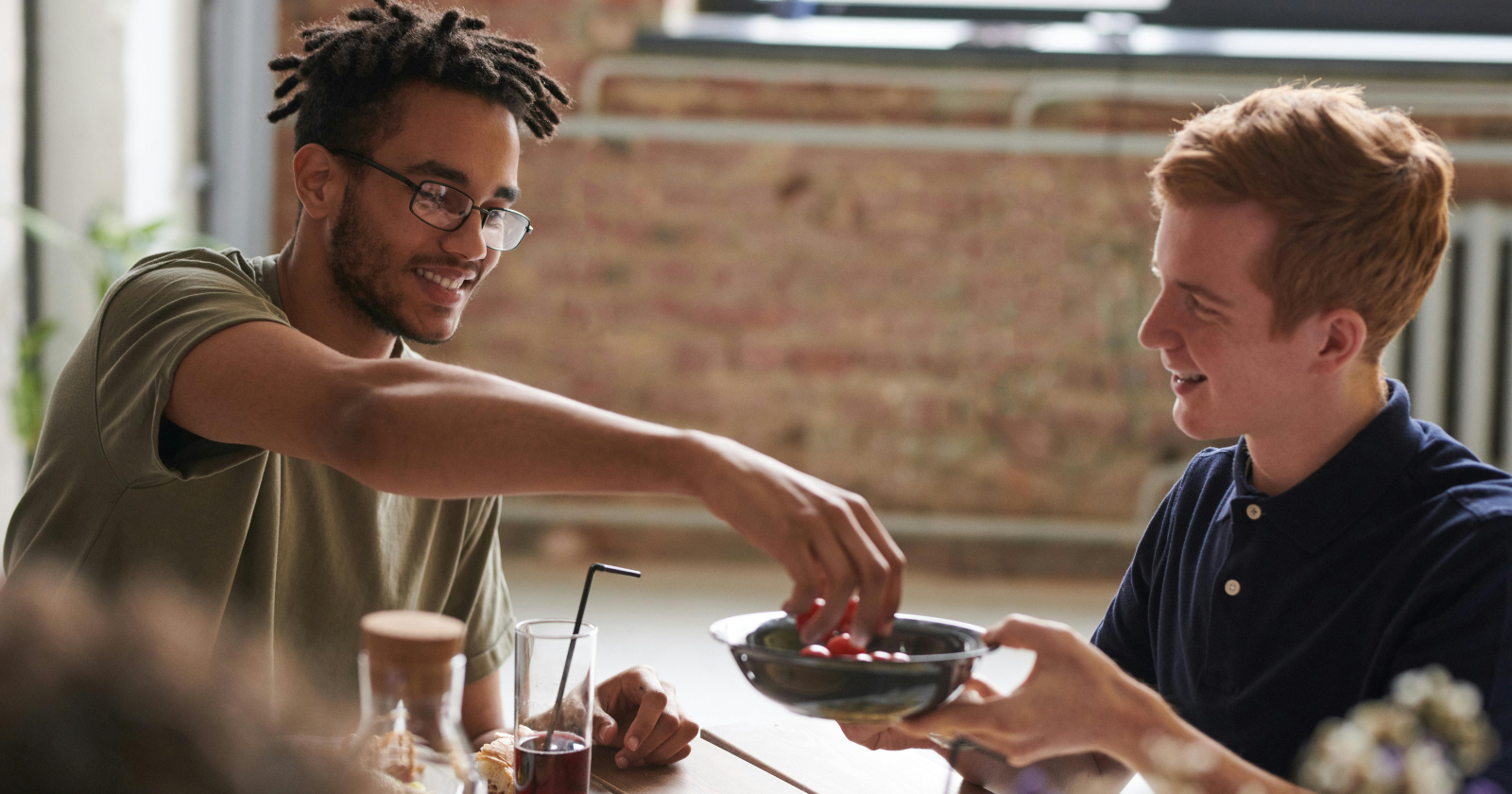
You know that moment when the pizza box is down to its last slice, and someone automatically asks, “Does anyone else want this?” before reaching for it?
I’ve always been fascinated by these people. While others dive straight in, they pause, look around, and offer first.
It turns out this simple gesture reveals something profound about character.
After interviewing dozens of behavioral experts and observing countless social interactions for my articles, I’ve discovered that people who consistently offer the last piece aren’t just being polite.
They’re displaying deeply rooted character traits that shape how they navigate the world.
1) They possess genuine empathy
What makes someone instinctively think of others before themselves? According to psychologists, it’s empathy in its purest form.
These individuals don’t just understand that others might want something; they actually feel it.
They experience a genuine concern for whether everyone has had enough, whether someone might be too shy to take that last piece, or whether someone else might enjoy it more than they would.
I once watched a colleague during a work lunch consistently offer the last portions of shared dishes to others. Later, when I interviewed her for an article about workplace dynamics, she mentioned how she naturally notices when quieter team members haven’t eaten much.
That same awareness extended to her work style—she was the one who always checked if junior members had questions during meetings, even when no one asked.
This isn’t performative kindness. It’s an automatic response that comes from genuinely caring about the comfort and satisfaction of others around them.
2) They practice mindful awareness
Have you ever been so focused on your own hunger that you don’t notice what’s happening around the table? People who offer the last piece operate differently. They’re tuned into the social dynamics of every gathering.
They notice who’s been quiet, who might have arrived late to the meal, who’s been serving others. This awareness isn’t exhausting for them—it’s natural. They process social information constantly, picking up on subtle cues that others miss.
My grandmother was like this. She could tell you exactly who had eaten what at family dinners, not because she was keeping score, but because she genuinely paid attention.
She’d notice if someone’s favorite dish ran out before they got seconds. This same awareness made her incredibly perceptive in other areas of life too.
3) They value community over individual gain
“Are you sure you don’t want it?” These folks derive more satisfaction from knowing everyone’s needs are met than from fulfilling their own immediate wants.
Research shows that people with strong communal values experience what psychologists call “vicarious joy”—they literally feel happiness when others are happy.
For them, watching someone else enjoy that last slice brings more satisfaction than eating it themselves.
This trait extends far beyond food. These are the people who share credit at work, who make sure everyone gets a turn to speak in meetings, who remember to include the new person in group plans.
They understand that individual success means little if the community around them is struggling.
4) They demonstrate authentic humility
There’s something beautifully humble about stepping back and letting others go first. But this isn’t the false modesty of someone fishing for compliments. It’s genuine humility—an understanding that their needs aren’t more important than anyone else’s.
During my interviews with successful leaders, I noticed the most effective ones often displayed this trait. They’d pour coffee for others before themselves, hold doors, offer the better seat.
One CEO told me she learned early that real leadership meant sometimes being the last to eat, metaphorically and literally.
This humility doesn’t come from low self-esteem. Instead, it stems from a secure sense of self that doesn’t need constant validation or priority treatment.
5) They exhibit natural generosity
What drives someone to give when they could take? For last-piece offerers, generosity isn’t a calculated decision—it’s their default setting.
This goes beyond material things. These people are generous with their time, their attention, their energy. They’re the ones who stay late to help a colleague, who listen without interrupting, who remember your birthday without Facebook reminders.
I remember interviewing a woman who ran a small nonprofit. She mentioned offhandedly that she often skipped lunch so her volunteers could eat first when donations were low.
That same generous spirit had built an organization that touched thousands of lives. She couldn’t imagine operating any other way.
6) They show emotional intelligence
Reading a room is a skill, and these people have mastered it. They understand that offering the last piece isn’t just about food—it’s about managing social dynamics, making others feel valued, and creating inclusive environments.
They know when to insist someone takes it (when that person is genuinely hungry but being polite) and when to gracefully accept it themselves (when everyone truly has had enough and refusing would make things awkward).
This nuanced understanding of social situations reflects high emotional intelligence.
My mother, a guidance counselor, always says the students who share their snacks are often the ones who become natural mediators and problem-solvers. They understand that small gestures carry emotional weight.
7) They practice delayed gratification
Perhaps most interestingly, people who offer the last piece have mastered something many struggle with: Delayed gratification. They can want something and still choose to wait or even forfeit it entirely.
Studies show that people who can delay gratification tend to be more successful in various life areas. They save money better, maintain healthier relationships, and achieve long-term goals more effectively.
That moment of pausing before taking the last piece? It’s the same impulse control that helps them make thoughtful decisions in bigger life moments.
Final thoughts
Next time you’re at a table and that last piece sits there, notice who offers it to others first. You’re witnessing something special—a combination of character traits that probably influence every aspect of that person’s life.
These aren’t traits you’re born with or without. They’re developed through conscious choice and practice. Every time we pause to consider others, every time we notice who hasn’t been served, every time we choose community over self, we’re building these qualities.
The last piece of food might seem trivial, but how we handle it reveals who we are when no one’s keeping score. And sometimes, the smallest gestures tell the biggest stories about our character.
From the editors
Undercurrent — our weekly newsletter. The sharpest writing from Silicon Canals, curated reads from across the web, and an editorial connecting what others cover in isolation. Every Sunday.
Free. No spam. Unsubscribe anytime.