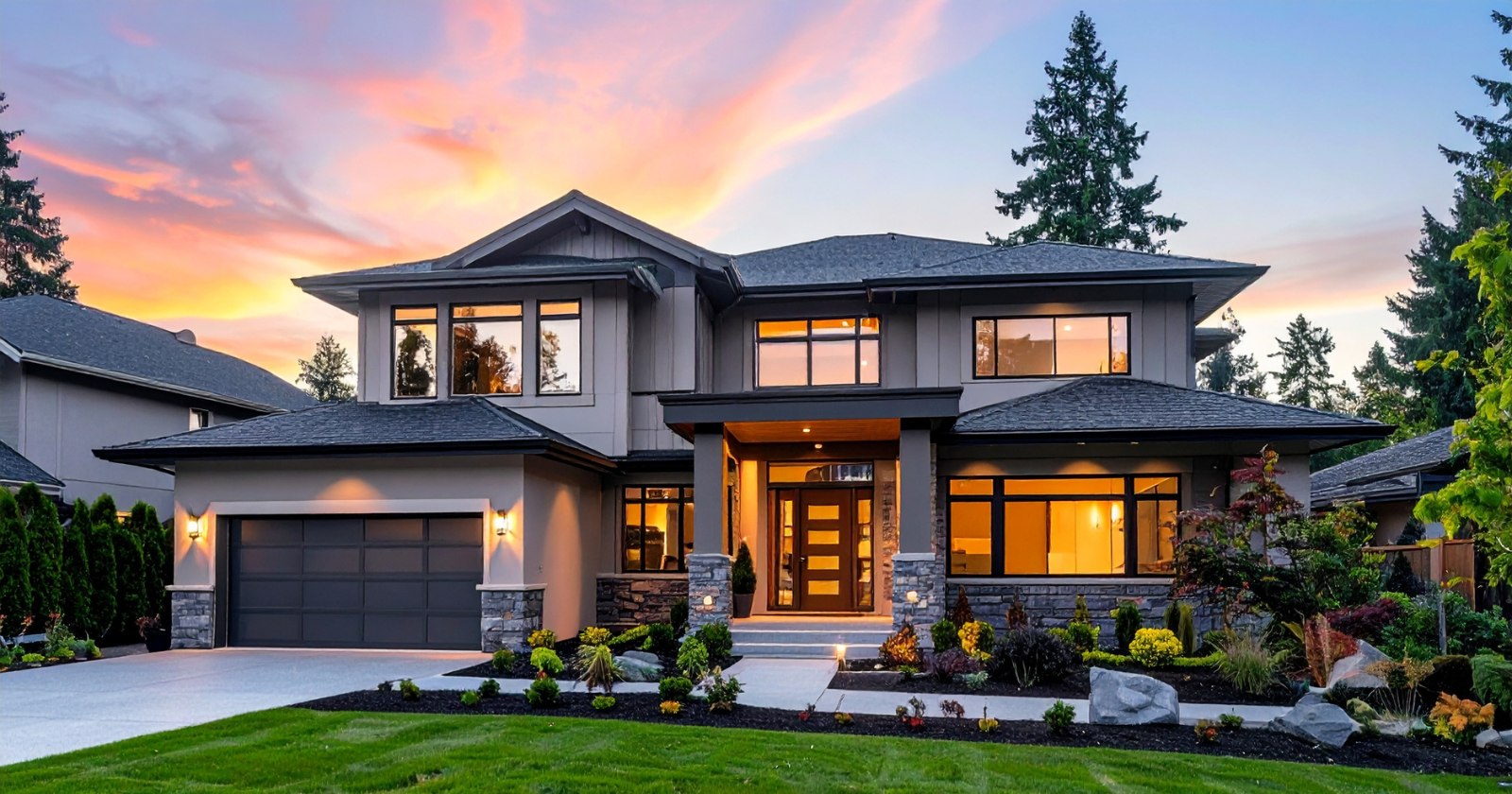
For decades, the American dream has been synonymous with supersized living. Sprawling suburban homes with multiple bedrooms, expansive living areas, and three-car garages have represented the pinnacle of success.
Yet mounting evidence suggests that once we cross a certain threshold, additional square footage fails to deliver the happiness we expect. Recent research indicates that the relationship between home size and life satisfaction is far more complicated than real estate marketing would have us believe.
What the research reveals
Studies examining housing and well-being have found surprisingly weak correlations between home size and reported happiness. A comprehensive analysis using the British Household Panel Survey found that despite having a similar effect on housing satisfaction for both genders, an increase in living space has only a weak positive linear effect on life satisfaction. While having adequate space certainly matters, particularly for families with children, the benefits plateau relatively quickly.
The data becomes even more revealing when researchers control for income and location. When comparing households of similar economic status in the same geographic area, those living in larger homes report no significant increase in daily happiness or life satisfaction compared to their neighbors in more modest dwellings.
What does correlate with happiness is whether the home meets specific functional needs and whether it allows for meaningful social connection.
The hidden costs of more space
Larger homes create tangible burdens that erode quality of life in ways homeowners often fail to anticipate.
The time required for cleaning, maintenance, and repairs scales directly with square footage, consuming hours that might otherwise be spent on relationships, hobbies, or rest.
Financial stress also increases as property taxes, utilities, insurance, and upkeep costs climb alongside home size, potentially limiting resources available for experiences that research consistently links to well-being, such as travel, education, and social activities.
Beyond individual households, the environmental footprint of oversized homes has become impossible to ignore. Larger homes consume more energy for heating and cooling, require more materials to build and maintain, and typically occupy land that might otherwise support green space or denser, more sustainable development.
As climate concerns intensify, the psychological burden of living in environmentally inefficient spaces can itself become a source of anxiety, particularly for younger homeowners increasingly aware of ecological impacts.
What actually matters in housing
When researchers dig into what housing characteristics do predict happiness, size consistently ranks below factors like neighborhood walkability, proximity to friends and family, commute times, and natural light.
Research on neighborhood walkability found that living in walkable neighborhoods where residents can easily access shops, services, and social spaces within walking distance has direct and indirect effects on happiness. These communities facilitate social interaction through thoughtful design, correlating more strongly with resident satisfaction than sheer square footage.
The quality of space matters more than quantity. Well-designed smaller homes with efficient layouts, adequate storage, and distinct zones for different activities can feel more spacious and livable than poorly planned larger homes. Access to outdoor space, whether a private yard or nearby parks, appears more important for well-being than having extra indoor rooms that sit empty most of the time.
Community connection emerges as perhaps the strongest predictor of housing satisfaction. Homes in walkable neighborhoods where residents can easily interact with neighbors, access local amenities on foot, and participate in community life consistently rate higher in satisfaction surveys than isolated homes in car-dependent areas, regardless of size. The social fabric matters more than the physical structure.
Rethinking the dream
These findings carry implications that extend beyond individual purchasing decisions. Urban planners and policymakers increasingly recognize that zoning laws favoring large single-family homes on sprawling lots may actually work against community well-being while exacerbating housing affordability crises. Allowing diverse housing types, including smaller homes, townhouses, and well-designed multi-unit buildings, could improve both accessibility and satisfaction.
For individuals navigating housing decisions, the research suggests a reframing of priorities. Rather than maximizing square footage, focusing on location, community, design quality, and whether a home truly matches how you live may lead to greater long-term satisfaction. The question shifts from “how much house can I afford” to “what kind of home will support the life I want to live.”
The gap between cultural mythology and research reality on home size reflects broader tensions in how we define success and well-being. As housing costs strain household budgets and environmental pressures mount, the evidence that bigger homes don’t deliver proportional happiness offers both permission and encouragement to consider alternatives.
The most satisfying home may not be the largest one, but rather the one that best supports connection, reduces stress, and aligns with your actual values and daily life.