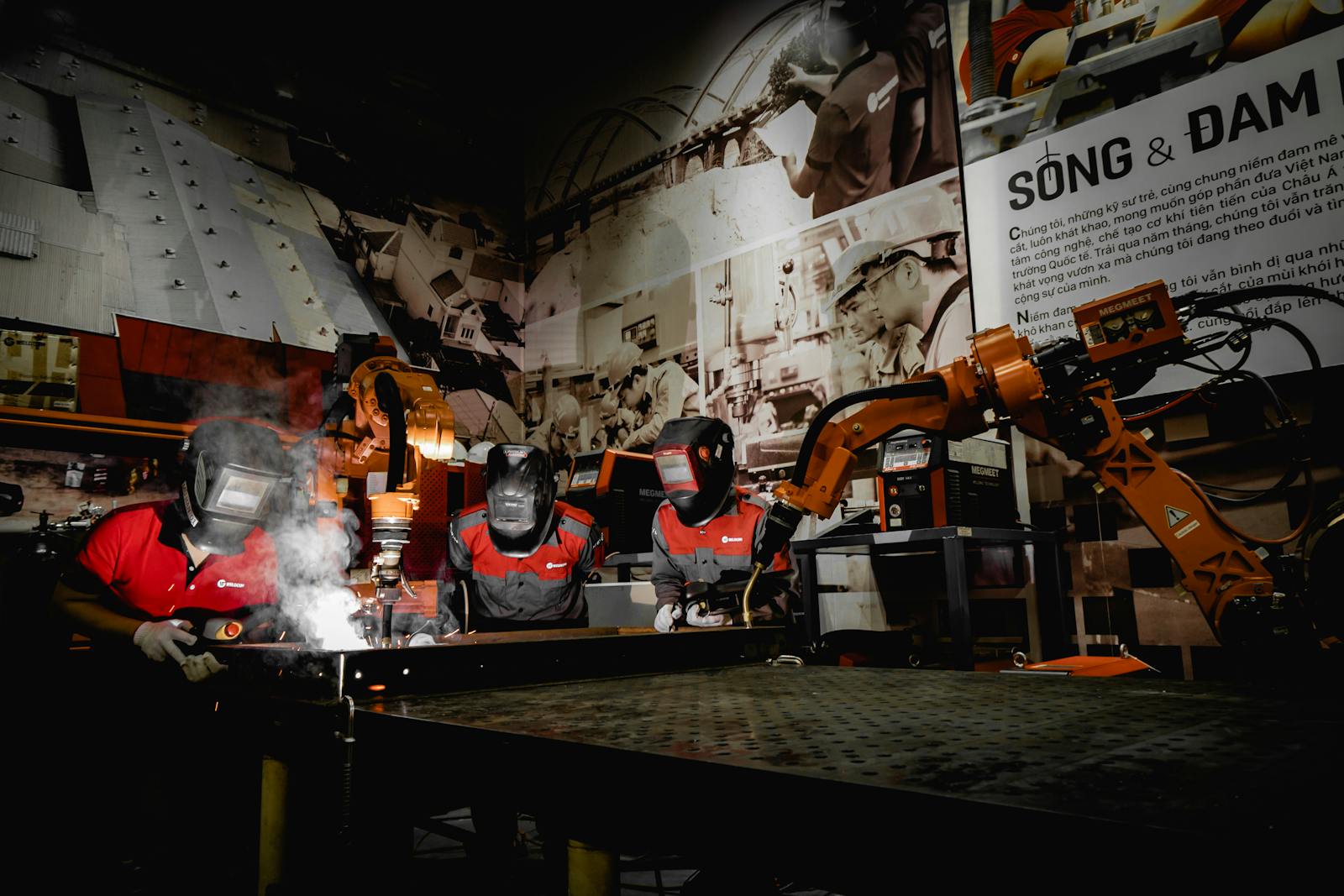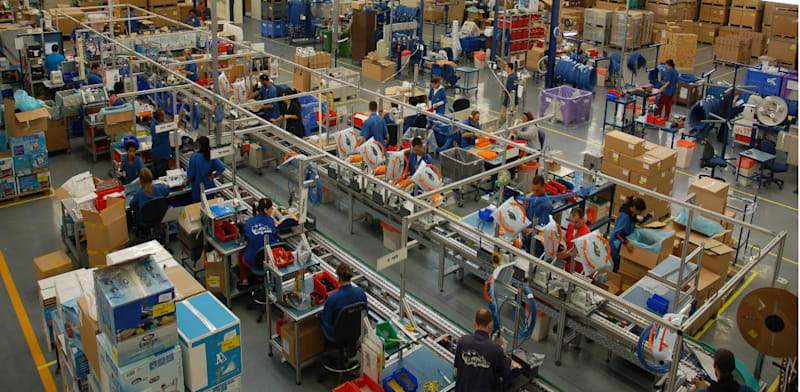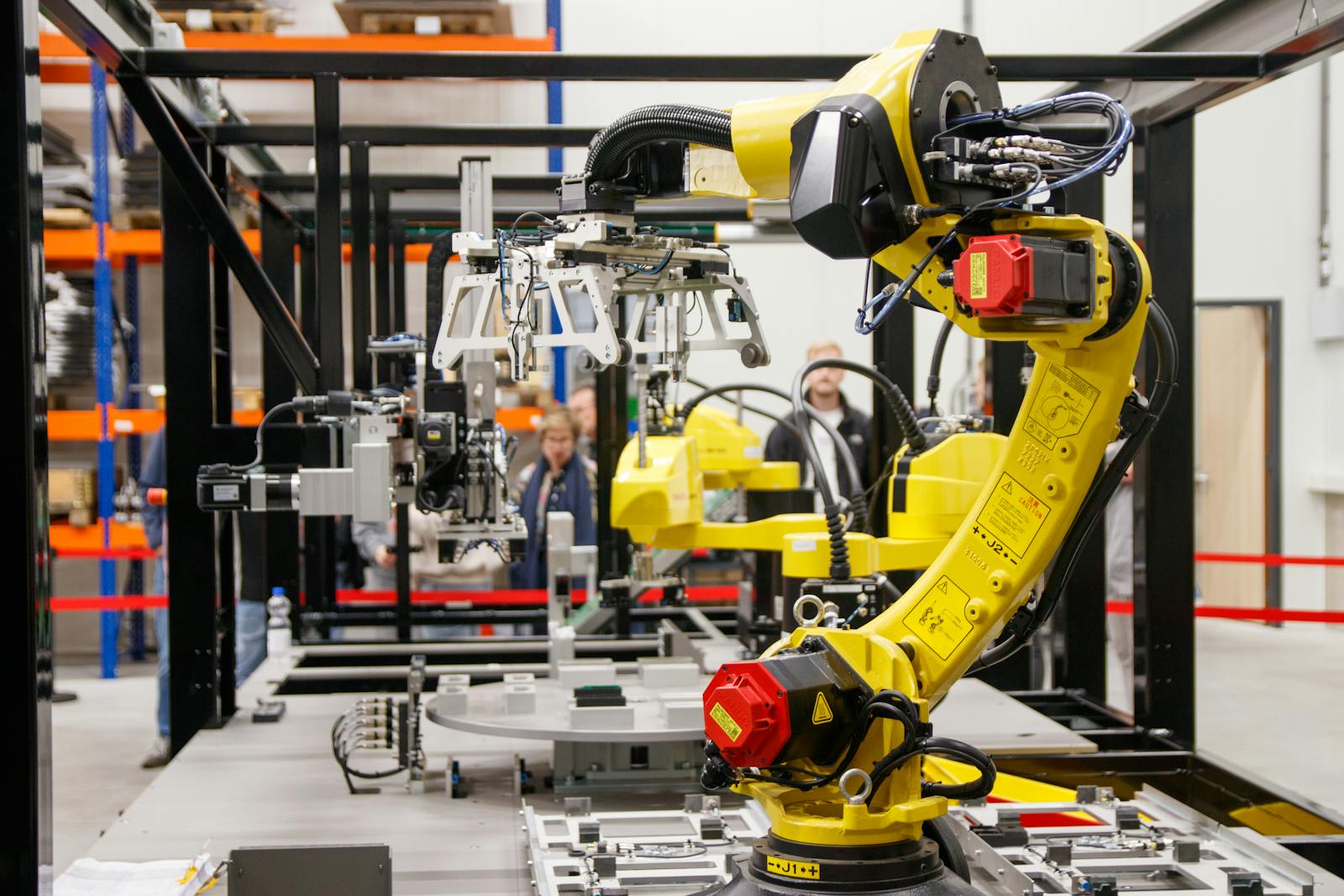
Japan’s accelerating deployment of AI-powered robots across factories, warehouses, and infrastructure represents something distinct from the automation anxiety that dominates Western discourse. As TechCrunch reports, the country’s push into physical AI is driven not by competitive ambition or efficiency optimization, but by a blunt demographic reality: there simply aren’t enough people to keep essential services running.
The demographic math behind the machines
Japan’s population declined for a 14th consecutive year in 2024, with those of working age comprising just 59.6% of the total population — a share projected to shrink significantly over the next two decades. This isn’t a labor market inconvenience. It’s a structural crisis.
Industry analysts have noted that Japan faces a physical supply constraint where essential services cannot be sustained due to a lack of labor, with physical AI increasingly seen as a matter of national urgency to maintain industrial standards and social services.
A 2024 Reuters/Nikkei survey confirmed that labor shortages are the primary force pushing Japanese firms toward AI adoption. The driver has shifted from simple efficiency to industrial survival.
A $6.3 billion bet on physical AI
Japan’s Ministry of Economy, Trade and Industry aims to capture 30% of the global physical AI market by 2040, building on a formidable position: Japanese manufacturers have maintained a dominant position in the global industrial robotics market. Under Prime Minister Sanae Takaichi, the government has committed roughly $6.3 billion to strengthen core AI capabilities, robotics integration, and industrial deployment.
Industry observers note that physical AI is being bought as a continuity tool: how do you keep factories, warehouses, infrastructure, and service operations running with fewer people?
Hardware moat, software gap
Japan’s competitive advantage sits in the physical building blocks — actuators, sensors, and precision control systems. Whether that translates into dominance in the AI era is less certain. The U.S. leads in software and service layers, while China is moving aggressively to develop full-stack systems that integrate hardware, software, and data.
Robotics experts emphasize that in Physical AI, it is critical to have a deep understanding of the physical characteristics of hardware. This requires not only software capabilities, but also highly specialized control technologies, which take significant time to develop and involve high costs of failure.
The hybrid model
Rather than a winner-take-all dynamic, Japan’s physical AI ecosystem is developing as a hybrid: incumbents like Toyota, Mitsubishi Electric, and Honda provide manufacturing scale and deployment infrastructure, while startups drive innovation in orchestration software, perception systems, and workflow automation. The structural incentive here is mutual dependency — robotics requires capital-intensive hardware development that startups can’t fund alone, while large corporations lack the speed to iterate on emerging AI integration.
What this actually means
Most countries debating AI are debating displacement. Japan is debating continuity. The framing matters because it reveals a different institutional calculus: when the alternative to automation isn’t unemployment but the collapse of essential services, the political economy of robot deployment inverts entirely. The question for aging societies watching Japan — South Korea, Germany, Italy — is whether they’ll reach the same conclusion before the demographic math forces it.
Feature image by Freek Wolsink on Pexels