Add Silicon Canals to your Google News feed. 
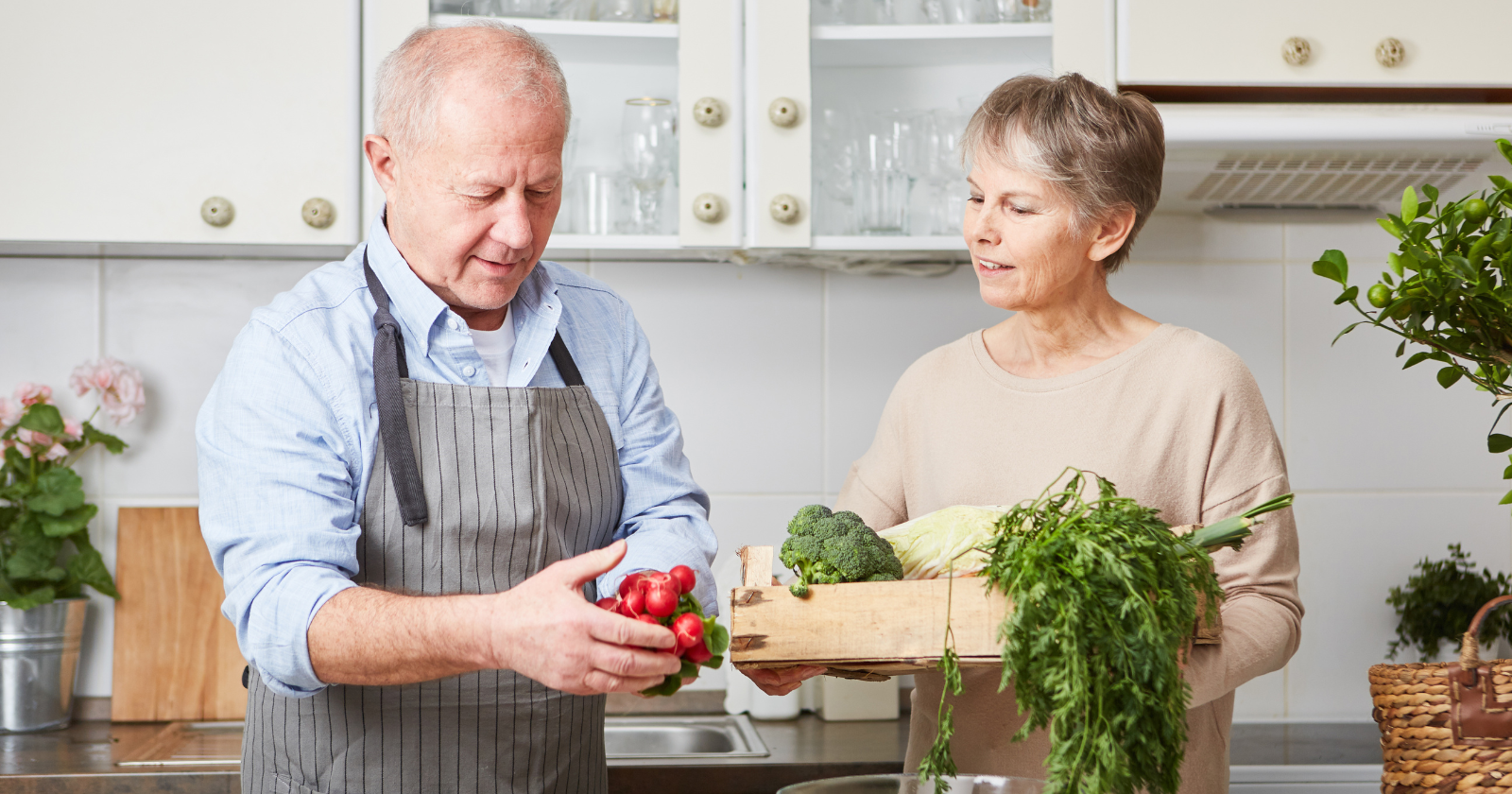
Picture this: the rhythmic sound of a knife hitting a wooden cutting board, the sizzle of onions in a hot pan, the aroma of fresh herbs filling a kitchen. If you’re over 65 and this scene describes your typical evening, you’re part of an increasingly rare breed.
While younger generations have embraced meal kits, delivery apps, and microwave dinners, many people in their sixties and beyond still dedicate time to cooking real meals from basic ingredients. This isn’t just about nostalgia or having more time on their hands. Psychology suggests these home cooks possess certain traits that have quietly disappeared from much of modern society.
I’ve been thinking about this lately, especially after watching my neighbor, a 72-year-old retired teacher, carry in bags of fresh vegetables while I waited for my third takeout order of the week. What drives someone to keep chopping, stirring, and seasoning when convenience beckons from every corner?
1) They possess remarkable patience in an instant world
When was the last time you waited 45 minutes for something to simmer without checking your phone every three minutes? For those who still cook from scratch, this kind of patience isn’t unusual—it’s Tuesday night.
Think about what cooking a proper stew requires: browning the meat, sautéing vegetables, building layers of flavor over time. You can’t rush it. You can’t scroll through it. You just have to wait and trust the process.
This patience extends beyond the kitchen. These are often the same people who still write letters by hand, read entire books rather than summaries, and can sit through a conversation without glancing at a screen. They understand that some things simply take the time they take.
2) They embrace unpredictability with grace
Every home cook knows the moment: you’re halfway through a recipe and realize you’re out of a crucial ingredient. Or the oven temperature runs hot and your carefully timed dish needs adjusting. For scratch cooks over 65, these moments aren’t disasters—they’re opportunities.
Jordan Cooper, a pop-culture writer and vegan-snack reviewer, notes that “Research shows that tolerance for ambiguity correlates with creativity, adaptability, and lower anxiety.”
This flexibility shows up in how they substitute ingredients without panic, adjust seasoning by taste rather than measurement, and turn potential kitchen disasters into “happy accidents.” They’ve learned what many of us have forgotten: perfect control is an illusion, and working with what you have often yields the best results.
3) They maintain fierce independence
There’s something deeply personal about feeding yourself from raw ingredients. You’re not relying on a corporation’s recipe, a delivery driver’s schedule, or a restaurant’s interpretation of what tastes good. You’re creating something uniquely yours.
This independence runs deep. These cooks often grew up in times when self-reliance wasn’t a lifestyle choice but a necessity. They carry that spirit forward, not out of stubbornness but from understanding the satisfaction that comes from doing things yourself.
I remember interviewing a retired engineer who told me cooking was one of the few areas of his life where he maintained complete control as he aged. Every meal was a small declaration of autonomy.
4) They practice mindful presence daily
Cooking from scratch demands presence. You can’t properly caramelize onions while answering emails. You can’t knead bread while scrolling social media. The task requires your full attention, and interestingly, Care365 points out that “Cooking provides a wide range of cognitive stimulation for seniors. The complexity of cooking tasks can vary, allowing seniors to challenge their cognitive abilities and improve their executive functions.”
This mindful engagement is increasingly rare. While many of us struggle to focus on one thing at a time, these cooks naturally practice what meditation apps try to teach: being fully present in the moment. The chopping becomes almost meditative, the stirring rhythmic and calming.
During a particularly stressful period in my life, I started baking bread. The precision required, the inability to multitask or check email, forced me into the present moment in a way nothing else could. It’s a lesson these longtime cooks have internalized through thousands of meals.
5) They value delayed gratification
In a world of instant everything, waiting hours for a pot roast to become tender seems almost revolutionary. Yet for these cooks, the wait enhances the reward. They understand that the best flavors develop slowly, that good things really do come to those who wait.
This trait extends far beyond food. These are often the same people who save for purchases rather than buying on credit, who cultivate gardens knowing they won’t see blooms for months, who build relationships slowly and deliberately.
The ability to delay gratification has been linked to success in numerous psychological studies, yet it’s becoming increasingly rare in our on-demand culture.
6) They honor tradition while staying flexible
Many scratch cooks over 65 work from recipes passed down through generations—a grandmother’s sauce, a father’s bread technique. But they’re not slaves to tradition. They adapt old recipes to new dietary needs, incorporate ingredients their parents never knew existed, and aren’t afraid to improve on the past.
Steve Richmond, an author, found that “Over half of retirees said they have never ruined a meal, in stark comparison to their middle age counterparts.” This confidence comes from years of practice, but also from understanding that cooking is about principles, not rigid rules.
7) They understand the connection between effort and value
When you spend an hour making soup from scratch, that soup means something. You don’t mindlessly consume it while watching TV. You taste it, appreciate it, maybe even feel proud of it. This understanding—that effort creates value—is fundamental to how these cooks approach not just food, but life.
They’re the ones who still repair rather than replace, who write thank-you notes by hand, who show up for friends not just with sympathy but with homemade casseroles. They know that the effort itself is part of the gift.
Final thoughts
Perhaps what’s most remarkable about these traits isn’t that people over 65 who cook from scratch possess them, but that the rest of us have largely let them go. We’ve traded patience for speed, presence for productivity, and effort for convenience.
Every Sunday morning, I call my mother and often end up explaining what’s happening in tech news. But increasingly, I find myself asking her about recipes, techniques, and the patience to see something through from start to finish. Maybe the real wisdom isn’t in our smartphones or productivity hacks, but in the simple act of turning raw ingredients into a meal.
The question isn’t whether we can learn these traits—it’s whether we’re willing to slow down long enough to try.
From the editors
Undercurrent — our weekly newsletter. The sharpest writing from Silicon Canals, curated reads from across the web, and an editorial connecting what others cover in isolation. Every Sunday.
Free. No spam. Unsubscribe anytime.