Add Silicon Canals to your Google News feed. 
Ever notice how some mornings you wake up feeling like you’re already behind, even though the day hasn’t started yet? That heavy, exhausted feeling that makes you want to hit snooze five more times isn’t always about how many hours you slept. Sometimes it’s about what you did in those crucial hours before bed.
I learned this the hard way during a particularly brutal work deadline season. Despite getting seven hours of sleep, I’d wake up feeling like I’d been hit by a truck. It wasn’t until I started paying attention to my nighttime habits that I realized I was basically programming myself for harder mornings.
The truth is, our evening routines have a massive impact on how we feel the next day. And many of us are unknowingly sabotaging ourselves with habits that seem harmless or even productive in the moment.
1) Scrolling through social media in bed
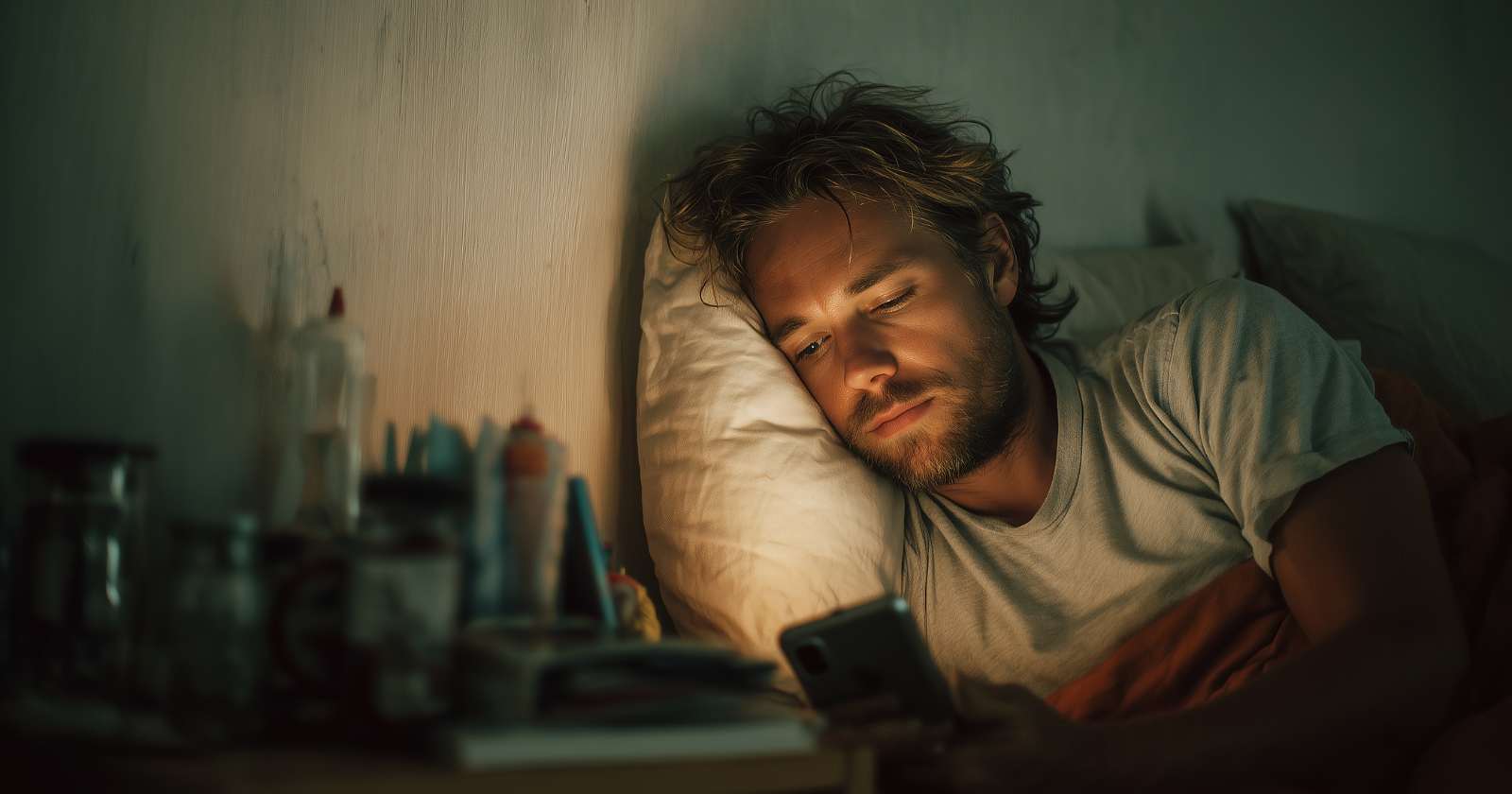
We’ve all been there. You climb into bed, promise yourself just five minutes of scrolling, and suddenly it’s an hour later and your mind is racing with comparisons, arguments, and that weird anxiety that comes from seeing everyone else’s highlight reel.
The blue light from screens is only part of the problem. Social media activates our brains in ways that are completely counterproductive to winding down. You’re comparing, reacting, processing information at exactly the moment your mind should be settling.
I discovered firsthand that my worst mental health days often correlated with too much time in work Slack and Twitter. Now, my phone stays in another room after 9 PM. The FOMO was real at first, but the mental clarity in the morning? Worth every missed late-night post.
2) Having intense conversations or arguments
“We need to talk about this budget issue.” “Can we discuss what happened at dinner with your parents?” Sound familiar at 10 PM?
Heavy conversations before bed are like drinking espresso for your emotions. Your cortisol spikes, your mind starts problem-solving, and suddenly you’re lying awake rehearsing conversations or replaying what was said.
Research shows that our brains need time to transition from active problem-solving to rest mode. When you engage in emotionally charged discussions right before bed, you’re essentially telling your brain to stay in high gear when it should be powering down.
3) Eating heavy or sugary foods late
That late-night ice cream or leftover pizza might feel comforting in the moment, but your digestive system doesn’t clock out just because you’re horizontal.
When you eat heavy foods close to bedtime, your body diverts energy to digestion instead of restoration. You might fall asleep, but the quality of that sleep suffers. Plus, the blood sugar spike and crash from sugary snacks can leave you waking up groggy and craving more sugar first thing in the morning.
The magic window seems to be about three hours before bed. After dinner with my partner, we’ve made it a rule: kitchen closes at 8 PM. The only exception is herbal tea, which has become its own calming ritual.
4) Planning tomorrow’s to-do list in detail
This one surprised me because it feels so productive. Lying in bed, mentally organizing tomorrow’s tasks, rehearsing that presentation, planning out every hour. Isn’t preparation good?
Not when it activates your stress response right before sleep. When you mentally walk through tomorrow’s challenges, your brain doesn’t distinguish between imagining stress and experiencing it. You’re essentially pre-living tomorrow’s pressure tonight.
Instead, if you must plan, do it earlier in the evening with pen and paper. Write it down, close the notebook, and trust that tomorrow-you can handle it.
5) Checking work emails “one last time”
This habit nearly destroyed my sleep for two years. That quick email check at 11 PM inevitably led to either immediate stress about something that needed handling or anxiety about what might be waiting in the morning.
Work emails at night create what psychologists call an “open loop” in your brain. Even if you don’t respond, your subconscious is already processing, planning, worrying. You’ve essentially brought your office into your bedroom.
The solution that finally worked for me was setting up an automatic “do not disturb” on all work apps after 7 PM. Out of sight, out of mind actually works.
6) Falling asleep with the TV on
“But it helps me fall asleep!” I used to say this too. The background noise felt comforting, like company.
Here’s what actually happens: Your brain continues processing the audio even while you sleep. The changing volumes, dramatic moments, and blue light exposure all interfere with your sleep cycles. You might be unconscious, but you’re not getting restorative rest.
Since switching to paper books only before bed, the difference in my morning energy has been dramatic. Yes, it took adjustment. But quality sleep beats quantity every time.
7) Drinking alcohol to “wind down”
That glass of wine might make you feel drowsy, but alcohol is one of the worst sleep disruptors out there. It might help you fall asleep faster, but it significantly reduces REM sleep, the stage crucial for emotional regulation and memory consolidation.
Ever notice how after a night of drinking, even if you slept for hours, you wake up feeling emotionally fragile or mentally foggy? That’s your brain missing out on its essential maintenance time.
8) Overthinking mistakes from the day
3 AM used to be my personal hour of regret. Replaying that awkward comment in the meeting, that email I should have worded differently, that opportunity I missed.
This mental replay serves no productive purpose. You can’t change what happened, and beating yourself up about it only floods your system with stress hormones. Tomorrow becomes harder because you’ve spent the night in self-criticism instead of restoration.
When I catch myself in this spiral now, I literally tell myself “This is tomorrow’s problem” and redirect to something neutral, like naming cities that start with each letter of the alphabet. Silly? Maybe. Effective? Absolutely.
9) Ignoring your body’s sleep signals
“Just one more episode.” “Let me finish this chapter.” “I’ll sleep when I’m done with this.”
We’ve become experts at overriding our natural sleep cues. That first yawn, the heavy eyelids, the moment when you could easily drift off if you just closed your eyes. Instead, we push through, get a second wind, and then wonder why we’re wide awake at midnight.
After a health scare at thirty that turned out to be nothing but completely changed how I thought about the stress I normalized, I started actually listening to my body. When it says sleep, I sleep. Revolutionary concept, right?
Final thoughts
The fascinating thing about these nighttime habits is how innocent they seem in isolation. One scroll through Instagram, one late-night snack, one work email. But together, they create a perfect storm that guarantees tomorrow starts at a deficit.
The good news? Small changes to your evening routine can have dramatic effects on your mornings. Pick one habit to change this week. Just one. Notice how different tomorrow feels when you protect your night from these quiet saboteurs.
Your future self, the one who has to face tomorrow, will thank you.