Add Silicon Canals to your Google News feed. 
Let me just dive in and say that puppy love can be one of the most wonderful feelings in the world.
Those adorable behaviors that make us melt? Sometimes they’re the very things that can spiral into serious behavioral challenges down the road.
I’ve been researching canine behavior lately, and what I discovered really surprised me: Those seemingly harmless quirks we find endearing in our dogs often mask developing problems that experts say can become major issues if left unchecked.
After talking with veterinary behaviorists and certified dog trainers, I’ve compiled a list of nine “cute” habits that deserve a second look.
1) Jumping up to greet you at the door
Who doesn’t love coming home to an excited dog bouncing with joy? That enthusiastic welcome feels like pure love, right?
Well, according to certified dog trainer Victoria Schade, this adorable greeting ritual can quickly become problematic.
When puppies jump, we often reward them with attention, pets, and baby talk. But as dogs grow larger and stronger, that sweet jumping becomes dangerous.
I learned this the hard way when a friend’s “friendly” golden retriever knocked over her elderly neighbor, resulting in a broken wrist.
Jumping is self-reinforcing behavior. Every time someone gives the dog attention for jumping, even negative attention like pushing them down, it reinforces the behavior.
The solution? Ignore the jumping completely and only give attention when all four paws are on the ground.
2) Following you everywhere (even to the bathroom)
Having a furry shadow trailing your every move might make you feel loved and needed, but extreme following behavior can indicate separation anxiety developing.
Dogs that can’t handle being alone for even a few seconds often escalate to destructive behaviors when left alone for longer periods. They might destroy furniture, bark incessantly, or even hurt themselves trying to escape.
What starts as endearing clinginess can transform into a serious anxiety disorder that requires professional intervention.
The key is teaching independence early: Practice leaving your dog in another room for short periods while you’re home.
Reward calm, independent behavior rather than constant companionship.
3) Pawing at you for attention
That gentle paw tap on your leg while you’re working from home seems harmless enough. It’s actually kind of sweet when they ask so politely for attention, isn’t it?
However, pawing can escalate into demanding, pushy behavior.
Dogs learn that pawing gets results, so they do it more frequently and more forcefully. Before you know it, you’ve got a dog that won’t let you have a conversation without constantly pawing at you or your guests.
I’ve seen this firsthand during video calls from my home office. What started as occasional gentle taps turned into insistent scratching that left marks on my legs.
The solution involves teaching alternative behaviors for requesting attention, like sitting quietly or bringing a toy.
4) Resource guarding their favorite toy or spot
Ever notice how adorable it is when your dog curls up protectively around their favorite stuffed animal? Or how they give you that look when you approach their special corner of the couch?
These early signs of resource guarding can develop into aggressive behavior.
What begins as a cute possessiveness over toys can escalate to guarding food, spaces, or even people. Dogs might start growling, snapping, or biting to protect their resources.
The concerning part is how quickly this can escalate. One day they’re adorably hugging their toy, the next they’re lunging at anyone who comes near their food bowl.
5) Demand barking for treats or playtime
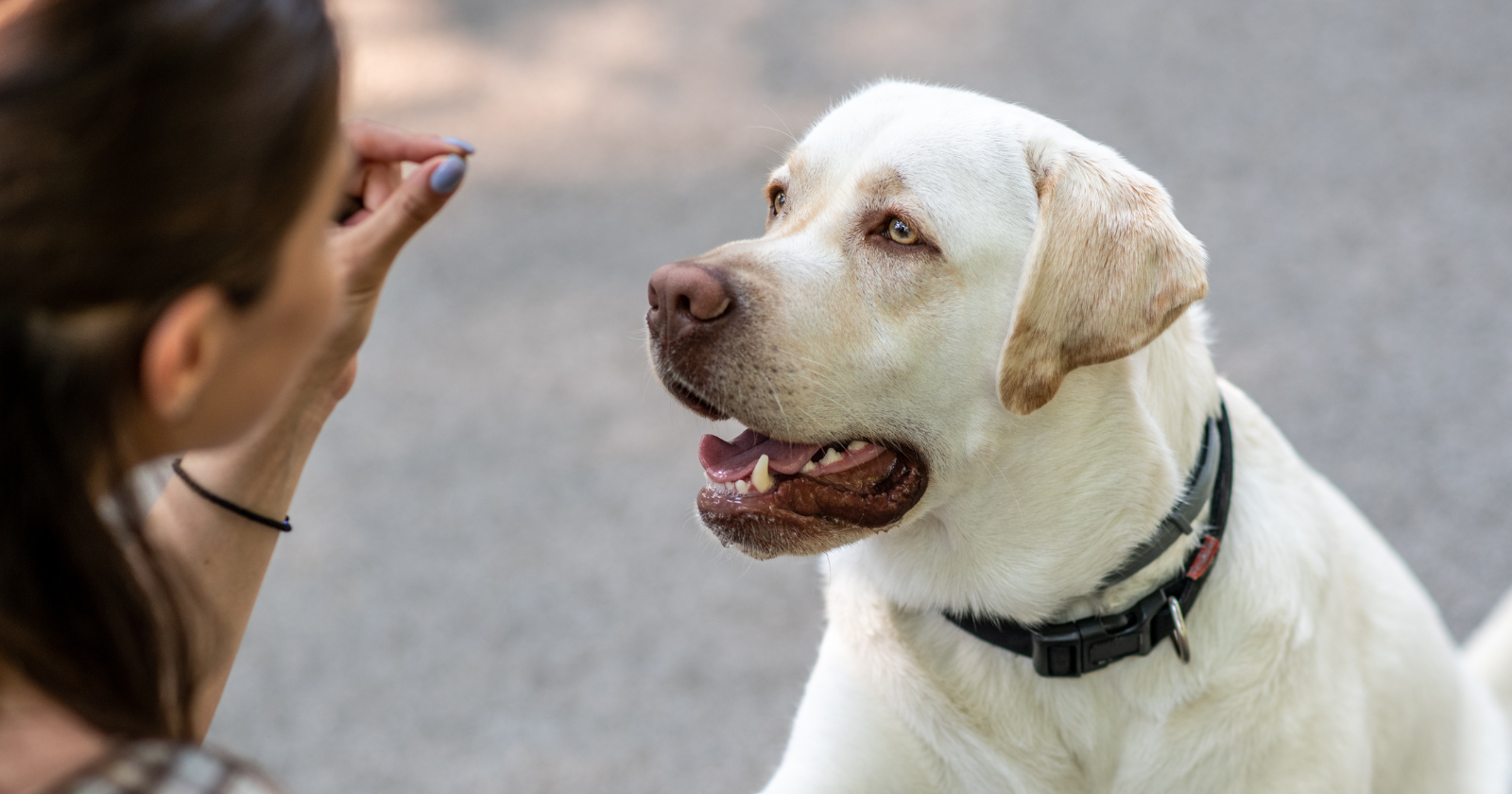
Does your dog have a special bark that means “throw my ball” or “give me that treat?”
It might seem like clever communication at first, but demand barking becomes increasingly problematic over time.
Dogs learn that barking gets them what they want, so they bark louder, longer, and more frequently. Soon, you can’t have a phone conversation or watch TV without constant interruption.
The worst part? Once this behavior is established, it’s incredibly difficult to extinguish because intermittent reinforcement (sometimes giving in to stop the barking) actually makes the behavior stronger.
6) Pulling on the leash to greet other dogs
Watching your puppy strain excitedly toward every dog they see might seem like healthy socialization.
Their enthusiasm for making friends is heartwarming, right?
Actually, trainer Turid Rugaas explains that leash pulling toward other dogs often creates leash reactivity.
The frustration of not being able to reach other dogs, combined with the tension from the tight leash, can turn friendly excitement into aggressive behavior over time.
I’ve watched this transformation happen with several dogs in my neighborhood. They started as friendly puppies who wanted to meet everyone, and now they bark and lunge aggressively at other dogs on walks.
7) Sleeping in your bed every night
There’s something incredibly comforting about a warm dog curled up beside you at night. Those puppy dog eyes begging to join you in bed are nearly impossible to resist.
However, bed sharing can create several behavioral issues.
Dogs may develop resource guarding of the bed, separation anxiety when forced to sleep elsewhere, or even dominance-related problems. Some dogs become aggressive when disturbed during sleep or won’t allow partners to share the bed.
While many dogs sleep with their owners without issue, it’s important to establish boundaries early and ensure your dog can also sleep comfortably alone when needed.
8) Mouthing or gentle nibbling during play
Those gentle play bites and nibbles might not hurt when your dog is young, and the behavior seems like harmless affection. Puppies explore the world with their mouths, after all.
By allowing any teeth-on-skin contact, this sets a dangerous precedent.
As dogs mature, their jaw strength increases dramatically, and what was once gentle mouthing can become painful or even dangerous, especially around children or elderly people.
Even “gentle” adult dogs can accidentally cause injury during excited play if they’ve never learned proper bite inhibition.
9) Begging at the dinner table
Those soulful eyes watching every bite you take, the gentle rest of a chin on your knee during dinner.
It’s hard not to find begging endearing, especially when they’re so polite about it, but feeding from the table creates persistent begging behavior that becomes increasingly difficult to ignore.
Dogs may escalate from silent watching to whining, pawing, or even stealing food. Beyond the behavioral issues, table scraps can lead to obesity and pancreatitis.
Once established, begging behavior is notoriously difficult to eliminate because everyone in the household must be completely consistent in never rewarding it.
Final thoughts
Recognizing these patterns early means you’re setting them up for success and preventing future problems that could strain your relationship or even lead to rehoming.
The good news? Most of these behaviors are manageable when addressed early with consistent training and boundaries.
If you’re seeing any of these habits developing in your dog, consider consulting with a certified trainer or veterinary behaviorist before they become entrenched problems.
After all, true love means helping our dogs become their best selves, not just indulging their every adorable whim.