Add Silicon Canals to your Google News feed. 
You know that moment when you realize you’ve been doing something wrong your entire adult life? I had one recently while visiting my neighbor, a retired engineer in his seventies.
I was complaining about a leaky tap that had been driving me mad for weeks, and he looked at me with genuine confusion. “Why didn’t you just fix it yourself?” he asked. Twenty minutes later, he’d shown me how to replace a washer, something that took all of five minutes and cost about fifty pence.
That conversation got me thinking about all the practical knowledge that used to be considered basic common sense but somehow never made it into my generation’s toolkit. We can optimize our LinkedIn profiles and navigate complex software, but many of us can’t change a tire or mend a button.
After talking to dozens of people over 60, including my own parents who grew up in working-class Manchester, I’ve compiled a list of things they consider absolutely fundamental that younger generations often never learned. These aren’t quaint old-fashioned skills—they’re practical abilities that can save you money, time, and sometimes your sanity.
1) How to fix things instead of replacing them
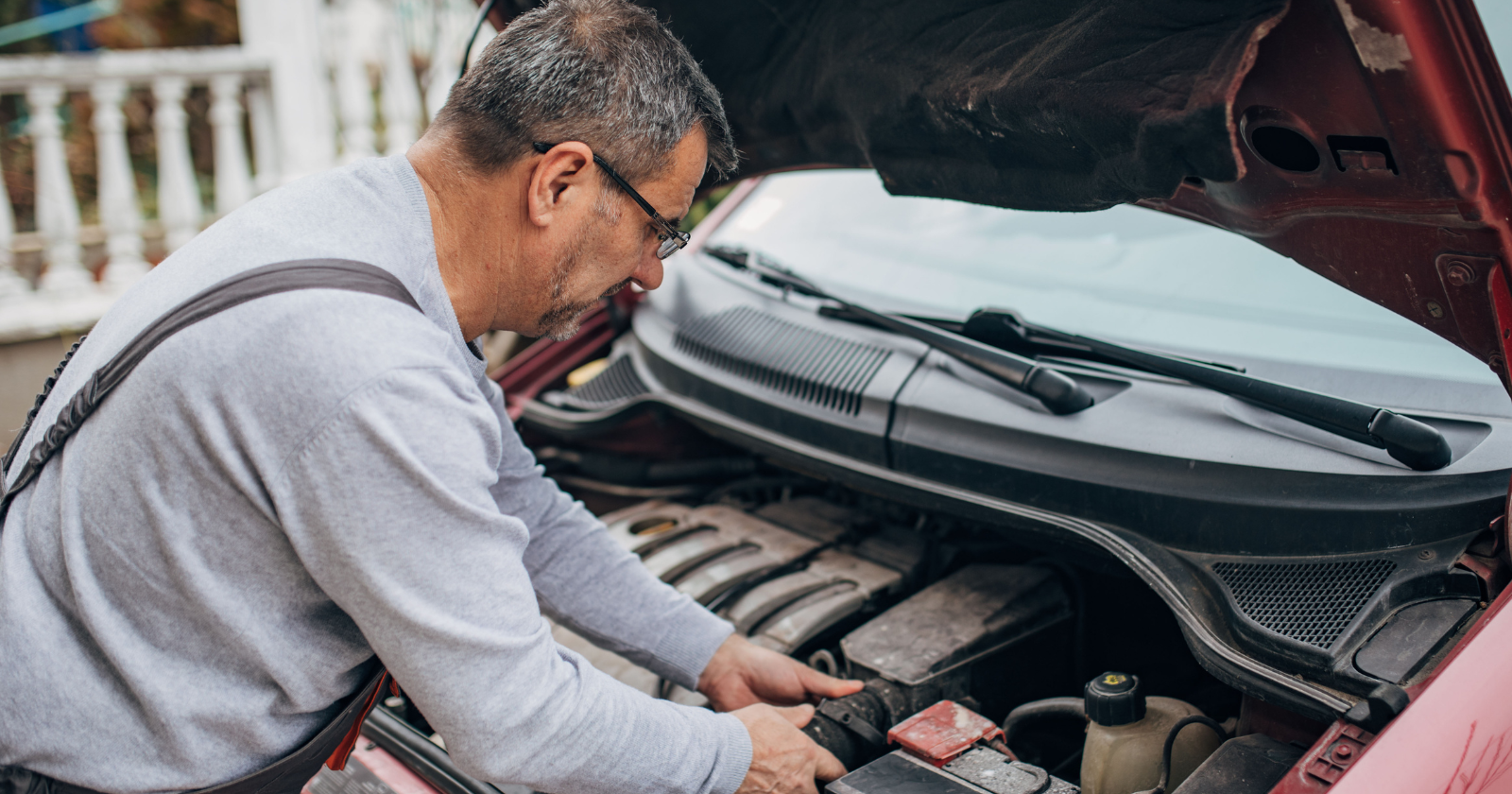
My father, who spent decades working in a factory, can fix almost anything with basic tools and a bit of ingenuity. When something breaks in his house, his first instinct isn’t to order a replacement on Amazon—it’s to figure out what’s wrong and fix it.
This extends beyond just mechanical things. Clothes with small tears get mended, furniture gets reupaired, appliances get serviced rather than binned. The older generation grew up in a world where things were built to last and expected to be maintained.
Today? We live in a disposable culture. When your toaster breaks, you probably don’t even consider fixing it. But here’s what that retired engineer taught me: most things that break can be fixed with basic knowledge and simple tools. YouTube has made this easier than ever, yet most of us still default to the trash bin.
The environmental and financial benefits are obvious, but there’s something else too—the satisfaction of understanding how things work and being able to solve problems yourself.
2) How to manage money without apps
I’ve mentioned this before, but my grandmother could stretch a pound further than anyone I’ve ever met. She managed household finances with nothing more than a notebook and an envelope system, yet she never missed a payment or went into unnecessary debt.
The over-60s I’ve spoken to all share this ability to track their finances mentally or with simple paper systems. They know roughly what’s in their accounts without checking an app. They understand compound interest not because they studied it but because they lived it.
Meanwhile, despite having sophisticated budgeting apps and instant access to our bank balances, younger generations struggle with basic financial literacy. We can split a restaurant bill down to the penny using Venmo, but many of us don’t understand how credit card interest actually works or why starting a pension early matters so much.
3) How to navigate without GPS
Remember when people could actually read maps and give directions using landmarks? My mother still gives directions like “turn left at the old post office, then right after the big oak tree.” She has an internal compass that I completely lack.
The ability to orient yourself using the sun, to remember routes after traveling them once, to understand the basic geography of your area—these were survival skills that everyone just had. Now? Take away our phones and most of us couldn’t find our way out of our own neighborhoods.
This isn’t just about navigation. It’s about spatial awareness and paying attention to your surroundings. The older generation developed these skills because they had to. They couldn’t rely on a voice telling them to “turn right in 200 meters.”
4) How to cook from scratch with whatever’s available
My friend’s grandmother can look at three random ingredients and create a meal. No recipe needed, no specialty ingredients required. Just knowledge built up over decades of feeding a family on a budget.
This generation learned cooking as a survival skill, not a hobby. They understand how flavors work together, how to substitute ingredients, how to make something from nothing. They can tell when bread dough is ready by feel, when meat is cooked by sight.
Compare this to younger generations who often rely entirely on recipes, meal kits, or takeout. We might be able to follow a complex recipe for Korean fusion tacos, but ask us to make a basic meal from pantry staples and we’re lost.
5) How to maintain relationships without social media
Here’s something that still amazes me: people over 60 maintain friendships for decades without Instagram, without WhatsApp, without knowing what their friends had for breakfast.
They call people on their birthdays—actually call, not just post on their wall. They send physical cards. They remember important events in friends’ lives without Facebook reminders. When they meet up, they’re fully present because they’re not documenting everything for social media.
The depth of these relationships is different too. Without the constant superficial contact of social media, every interaction becomes more meaningful. They might talk to a friend once a month, but that conversation has real substance.
6) How to be patient and delay gratification
Growing up, if my parents wanted something, they saved for it. Sometimes for months or years. There was no buy-now-pay-later, no same-day delivery, no instant gratification.
This forced patience created a different relationship with possessions and experiences. Things were valued more because they required sacrifice to obtain. The anticipation was part of the pleasure.
Today’s world of instant everything has eroded this patience. We expect immediate responses to texts, same-day delivery for purchases, on-demand entertainment. But the older generation understands that good things really do come to those who wait—and that the waiting itself has value.
7) How to entertain yourself without screens
What did people do before Netflix? They actually did things. My parents’ generation can spend an entire evening reading, playing cards, working on hobbies, or just talking without feeling the need to check their phones every five minutes.
They developed internal resources for entertainment—imagination, creativity, the ability to be alone with their thoughts without anxiety. They can sit in a waiting room without immediately reaching for a screen.
This isn’t just about entertainment. It’s about attention span, focus, and the ability to be present. When you’re not constantly stimulated by external input, you develop richer internal resources.
8) How to disagree without destroying relationships
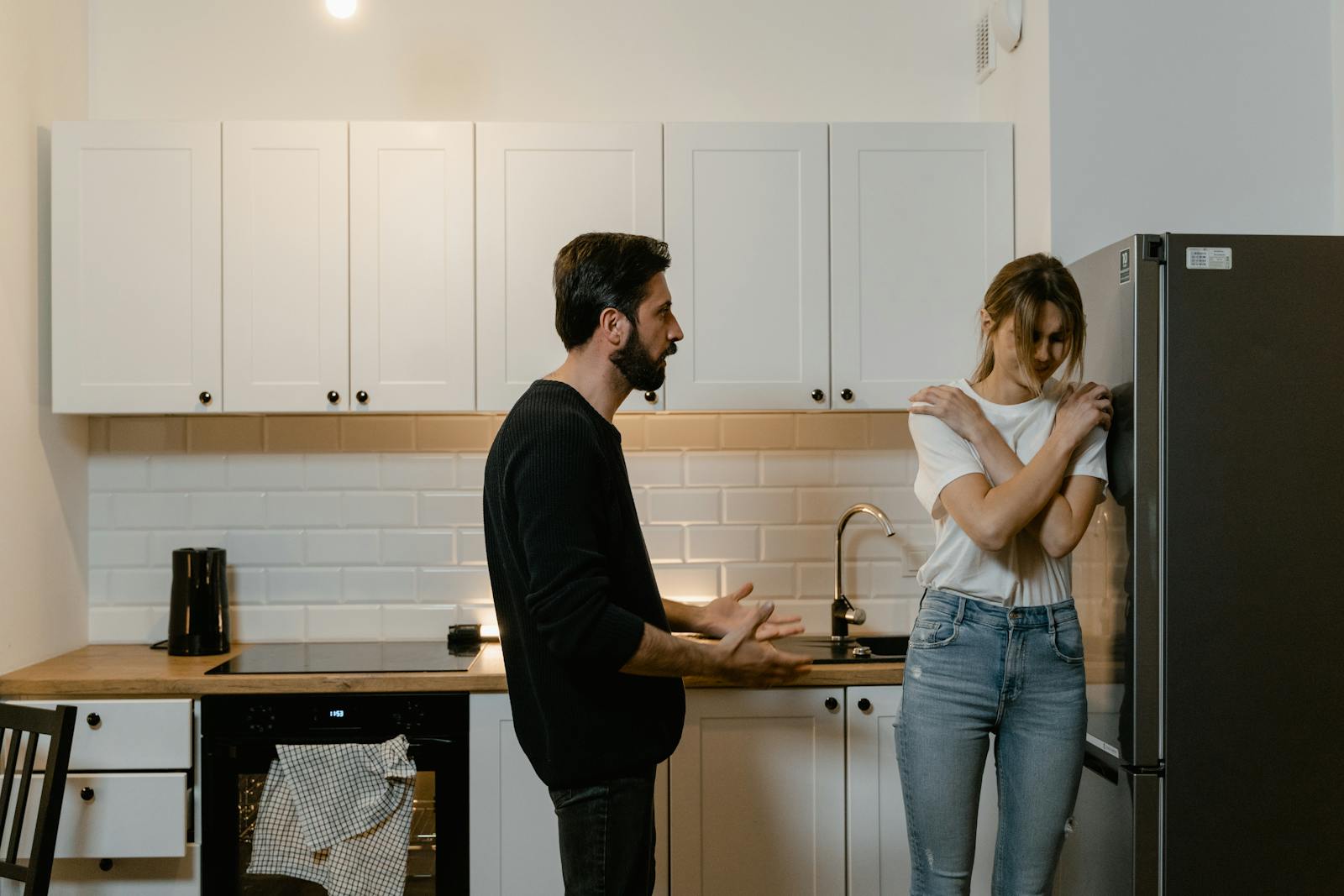
Perhaps most importantly, the over-60 generation seems to possess a skill that’s increasingly rare: the ability to disagree strongly with someone while remaining friends.
My father and his factory colleagues would argue passionately about politics during lunch breaks, then share a pint after work. They understood that disagreement didn’t mean disrespect, that you could challenge someone’s ideas without attacking their character.
In our age of social media pile-ons and cancel culture, this ability to separate ideas from identity, to maintain relationships despite differences, feels like a superpower. They learned that burning bridges over disagreements leaves you very alone in the world.
The bottom line
These aren’t just quaint skills from a bygone era. They’re fundamental abilities that create resilience, self-sufficiency, and deeper connections with the world around us.
The good news? It’s never too late to learn. That neighbor who showed me how to fix the tap? He’s started an informal workshop in his garage, teaching basic repairs to anyone interested. My mother’s teaching her grandchildren to cook without recipes. These skills can be passed on, but only if we value them enough to learn.
Maybe we can’t turn back the clock, but we can choose which parts of “common sense” are worth preserving. After all, there’s something deeply satisfying about fixing your own tap, even if it does take you twenty times longer than calling a plumber.
What forgotten common sense skill do you wish you had? More importantly, what’s stopping you from learning it now?