I used to think I was being smart with money when I sold my first startup.
Paid off my student loans, had some runway, and immediately started spending like someone who’d “made it.”
Then the second company failed spectacularly.
Suddenly I was back to stretching dollars, watching every expense, and remembering all the tactics I’d learned growing up in a household where my dad’s sales commission checks were never guaranteed.
Here’s what surprised me: those habits I’d abandoned? They were actually brilliant.
A survey by LendingClub found that over 60% of Americans say they’re living paycheck to paycheck.
The lower middle class has figured out strategies that aren’t just about survival. They’re about maximizing every resource and getting real value from limited income.
So let’s talk about ten things lower middle class people do that the rest of us should probably pay attention to.
1) They cook in bulk and repurpose leftovers creatively
My grandmother ran a small bakery for forty years. She could take a roasted chicken and turn it into four different meals throughout the week without anyone feeling like they were eating leftovers.
That’s not poverty cooking. That’s strategic meal planning.
Lower middle class families master the art of bulk cooking on Sunday and repurposing those ingredients all week. A pot roast becomes sandwiches, then soup, then shepherd’s pie. Nothing gets wasted because waste is money you can’t afford to throw away.
When I was consulting with early-stage startups and watching my own savings dwindle, I went back to this approach. Turns out batch cooking isn’t just economical. It removes decision fatigue during the week and ensures you’re not dropping money on takeout when you’re too tired to think.
The genius here isn’t just saving money. It’s creating a system that makes the frugal choice also the convenient choice.
2) They buy quality items secondhand instead of cheap items new
Warren Buffett said it perfectly: “Price is what you pay. Value is what you get.”
Lower middle class shoppers understand this instinctively. They’d rather buy a used KitchenAid mixer that’ll last twenty years than a new cheap one that’ll break in two.
Thrift stores, estate sales, Facebook Marketplace. These aren’t just places to find deals. They’re where you find well-made items from an era when things were built to last, at a fraction of retail cost.
I furnished my first apartment almost entirely from estate sales. Solid wood furniture that’s still in great shape today, while friends who bought particle board from big box stores have replaced everything twice.
The wealth gap is real. The Pew Research Center found that “upper-income families had 7.4 times as much wealth as middle-income families and 75 times as much wealth as lower-income families.” But buying quality secondhand is one way to access better goods without the wealth premium.
3) They maintain and repair instead of replacing
My dad kept his car running for fifteen years. He changed the oil religiously, fixed small problems before they became big ones, and taught me that maintenance is always cheaper than replacement.
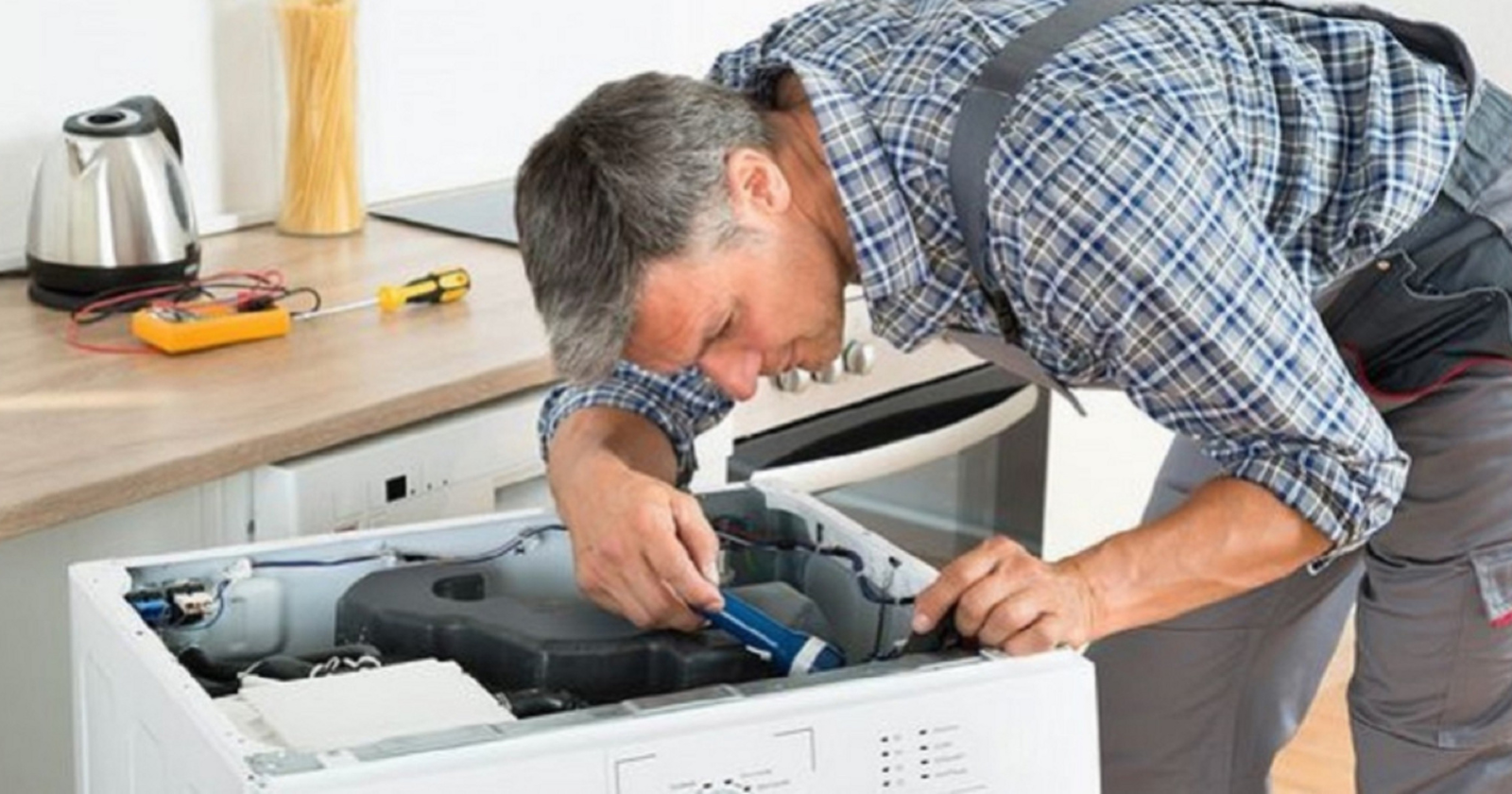
Lower middle class families can’t afford to treat things as disposable. So they learn to sew buttons, patch clothes, fix leaky faucets, and keep appliances running long past their expected lifespan.
This creates a completely different relationship with possessions. Instead of the consumer mindset of “if it breaks, buy a new one,” there’s a stewardship mindset of “this is mine to care for.”
During my failed startup, I had to learn basic car maintenance I’d been outsourcing for years. Turns out YouTube can teach you almost anything, and the time investment pays for itself immediately.
The genius isn’t just the money saved. It’s developing skills and self-sufficiency that compound over time.
4) They negotiate and ask for discounts without embarrassment
I grew up watching my mother negotiate prices everywhere. Medical bills, furniture stores, even utility companies. She wasn’t being cheap. She was advocating for her family’s financial wellbeing.
Lower middle class people understand that posted prices are often starting points, not final numbers. They ask about payment plans, cash discounts, clearance items, and price matching without any shame attached to it.
When my startup burned through investor money and I had to borrow from my parents to cover personal expenses, learning to negotiate felt essential. I called my insurance company, my internet provider, my credit card companies. Got better rates on almost everything just by asking.
Most people don’t negotiate because they think it’s uncomfortable or undignified. Lower middle class folks recognize that discomfort for ten minutes can save hundreds of dollars. That’s a pretty good hourly rate.
5) They prioritize experiences over material possessions
Here’s something that surprised me: research shows that people derive more satisfaction from experiential purchases than material purchases, both in prospect and retrospect.
Lower middle class families figured this out by necessity. They can’t afford lots of stuff, so they focus on creating memories. Free concerts in the park, hiking trips, game nights at home, community events.
When I’m honest about my happiest memories, almost none of them involve things I bought. They’re camping trips with college friends, dinners around my grandmother’s table, pickup basketball games.
The genius here is recognizing that happiness doesn’t scale with spending. Some of the best experiences cost almost nothing, while expensive purchases often provide diminishing returns.
6) They build and leverage community networks
Lower middle class communities operate on mutual aid networks that would make Silicon Valley’s “network effects” look simple by comparison.
Need someone to watch your kids? There’s a neighbor who needs help with car repairs. Need to borrow a tool? Someone needs help moving furniture. These informal economies create resilience that money can’t buy.
During the intense years building my first startup, I isolated myself. I was too busy for community, too focused on the business. When the second company failed, I had no support network because I’d never invested in one.
Rebuilding those connections taught me that community isn’t a luxury. It’s infrastructure. Lower middle class people understand this because they can’t afford to go it alone.
7) They comparison shop aggressively and track prices
My mom knew the price of milk at three different stores. She tracked sales cycles, used coupons strategically, and never bought anything without comparing options.
Lower middle class shoppers treat purchasing like a skill to be developed. They know when stores mark down produce, which day the bakery discounts day-old bread, and how to stack discounts and cashback offers.
This isn’t extreme couponing as entertainment. It’s information gathering that directly impacts the bottom line.
When I started tracking my spending after my startup failure, I was shocked at how much I’d been wasting by not paying attention. Just knowing prices and having comparison points changed my behavior automatically.
The genius is treating your attention as an investment that generates returns, not as something too valuable to spend on “small” purchases.
8) They delay gratification and save for purchases
Credit card debt is how a lot of people end up stuck. Lower middle class families often operate on a cash basis by necessity, which means saving up before buying.
This creates a natural filter. If you have to save for three months to buy something, you have time to decide if you actually want it. Impulse purchases become impossible.
I learned this the hard way when I had to rebuild my finances. The discipline of saving toward specific goals, of making intentional choices instead of grabbing whatever I wanted whenever I wanted it, completely changed my relationship with money.
The delayed gratification is a decision-making framework that prevents regret and builds appreciation.
9) They maximize free resources and public services
Libraries aren’t just for books anymore. They offer free internet, printing, classes, meeting spaces, and community programs.
Lower middle class families use every available public resource. Parks for recreation, community centers for activities, extension offices for education, free museum days, library programs.
These aren’t substitutes for “real” activities. They’re often higher quality than paid alternatives because they’re designed to serve the community rather than extract profit.
After reading Tim Ferriss and experimenting with lifestyle design, I realized that many expensive habits had free or cheap equivalents that were actually better. Hiking instead of gym classes. Library books instead of buying everything. Community events instead of expensive entertainment.
Finally, the genius is recognizing that value isn’t determined by price tag. Some of the best resources are freely available if you know where to look.
10) They view money as a tool, not as status
This might be the most important one.
Lower middle class people generally don’t equate spending with success. They’re not buying things to signal status because they can’t afford that game.
Instead, money becomes purely functional. It’s a tool for security, for taking care of family, for creating a buffer against emergencies. Not for impressing anyone.
When I sold my first startup, I immediately started spending in ways that signaled “I made it.” Nice dinners, upgrading everything, lifestyle inflation across the board. It was exhausting and ultimately empty.
The people I know who are most content with their finances, regardless of income level, view money as a means to an end rather than an end itself. They optimize for security and freedom, not for appearance.
Final thoughts
The strategies lower middle class people use aren’t about deprivation. They’re about intentionality.
They cook in bulk, buy quality used items, maintain what they have, negotiate prices, prioritize experiences, build community, comparison shop, delay gratification, use public resources, and view money as a tool.
These aren’t poverty behaviors. They’re sophisticated financial strategies that happen to work at any income level.
The genius is that these habits create resilience, community, and often more satisfaction than the consumer treadmill of buying new stuff to solve every problem.
I’m not romanticizing financial struggle. Having more money absolutely makes life easier in countless ways.
But these strategies? They’re worth adopting regardless of your tax bracket.
Because the smartest financial move isn’t always spending more. Sometimes it’s spending smarter.