For decades, the middle class was viewed as the backbone of the American Dream. Stable jobs, homeownership, and financial security were hallmarks of a comfortable life for families across the country. But today, a growing number of middle-class households find themselves living paycheck to paycheck, with little or no savings to fall back on when unexpected expenses arise.
This reality isn’t just about personal spending habits. It’s about larger economic forces reshaping what it means to be “middle class.” From rising costs of living to stagnant wages, the financial pressures facing today’s families are unlike anything seen by previous generations. Even with college degrees and professional careers, many people feel like they’re barely scraping by.
So, why is this happening? Here’s a closer look at the key reasons the new middle class is struggling to achieve financial stability and why this issue is affecting millions of households.
The Illusion of Middle-Class Prosperity
Being middle class used to mean more than just having a steady paycheck. It meant the ability to buy a home, save for retirement, pay for a child’s college education, and take the occasional vacation without falling into debt. But that definition has shifted dramatically.
Today, many families with household incomes between $60,000 and $150,000—once considered the sweet spot of middle-class comfort—are finding that these milestones are out of reach. Instead of building wealth, they’re working just to keep up with basic bills and living expenses.
The perception of prosperity is still there, but it’s increasingly an illusion. Social media amplifies the pressure to maintain appearances, whether it’s upgrading to the latest car or remodeling a home. Meanwhile, rising debt levels and dwindling savings accounts tell a different story. The reality is that a large portion of the new middle class is financially fragile, just one job loss or medical emergency away from crisis.
Stagnant Wages in a Changing Economy
One of the biggest factors behind the paycheck-to-paycheck lifestyle is wage stagnation. While the cost of living has risen sharply over the past few decades, wages for middle-class workers have barely kept pace with inflation.
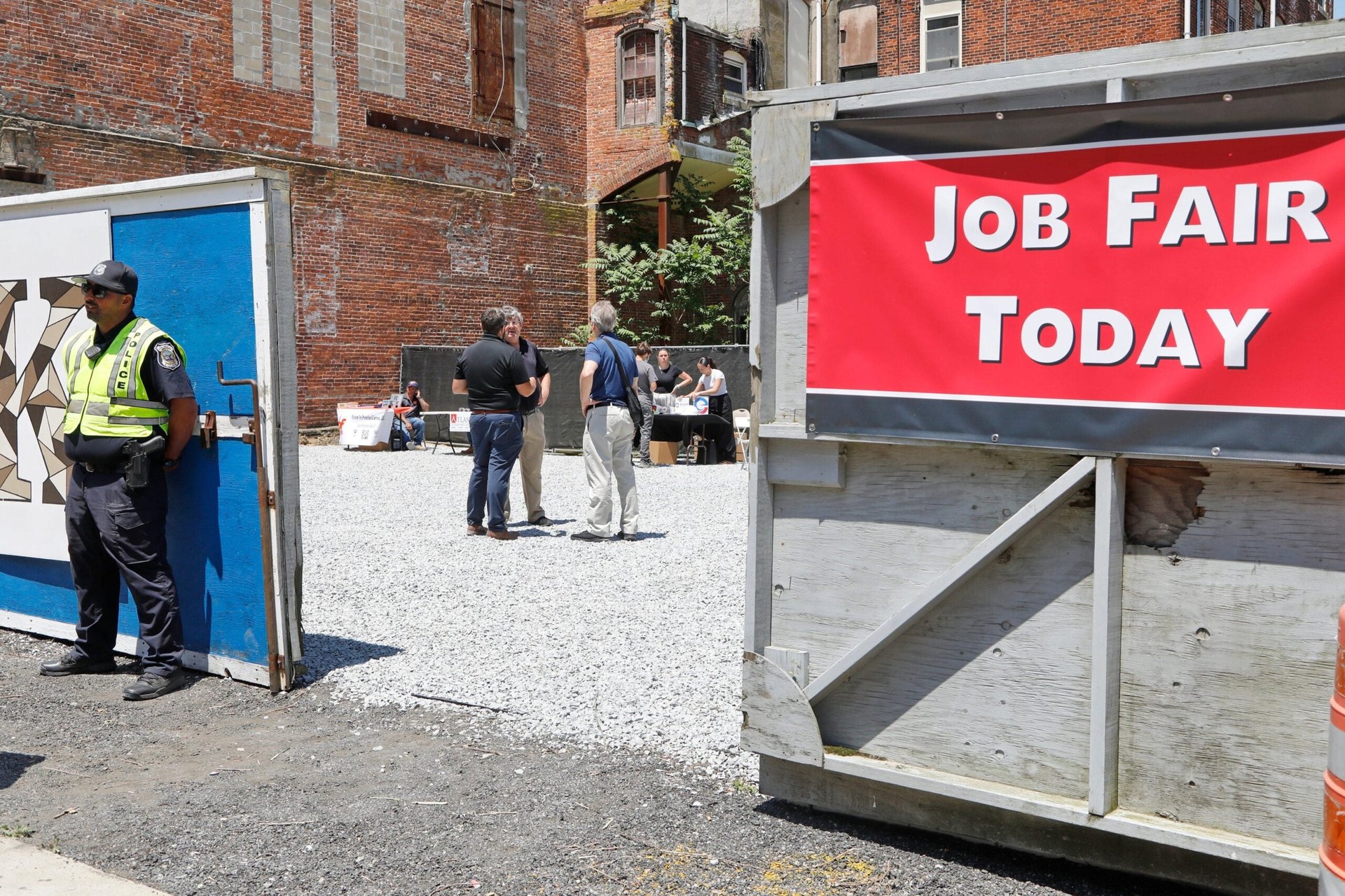
Globalization, automation, and the shift from manufacturing to service-based industries have changed the employment landscape. Many stable, high-paying jobs that sustained the middle class in previous generations no longer exist, replaced by positions with lower wages or fewer benefits. Even professionals with advanced degrees are finding that salaries are not growing fast enough to cover rising expenses like housing, healthcare, and education.
This disconnect between earnings and expenses has left many families feeling stuck. Even when both partners in a household are working full-time, the combined income often isn’t enough to create a financial cushion.
The Soaring Cost of Housing
Housing costs have skyrocketed in recent years, becoming one of the biggest financial burdens for the middle class. In many cities, home prices and rental rates have risen far faster than wages. For families trying to buy their first home, down payments are increasingly out of reach, while renters face annual rent hikes that consume more and more of their monthly income.
Even homeowners aren’t immune. Property taxes, maintenance, and rising interest rates on mortgages add to the strain. In high-demand areas, middle-class families often find themselves competing with wealthy investors and corporations buying up residential properties, driving prices even higher.
This housing squeeze leaves little room for saving or investing. A larger portion of the paycheck is going toward keeping a roof overhead, leaving less money for retirement contributions, emergency funds, or discretionary spending.
The Crushing Weight of Debt
Debt has become a defining characteristic of modern middle-class life. Student loans, credit card balances, car payments, and medical bills all chip away at financial stability. For younger generations, student debt is particularly damaging, delaying milestones like homeownership, marriage, and starting a family.
Even older middle-class households are not immune, with many carrying credit card debt or borrowing against their homes to cover expenses. Interest rates on these debts can create a cycle that’s difficult to escape, making it nearly impossible to build long-term wealth.
What’s more, unexpected emergencies, like car repairs or medical bills, often get charged to credit cards, creating a snowball effect of compounding interest. Living paycheck to paycheck leaves little room to pay down these balances, keeping families stuck in a constant state of financial stress.

The Healthcare Cost Crisis
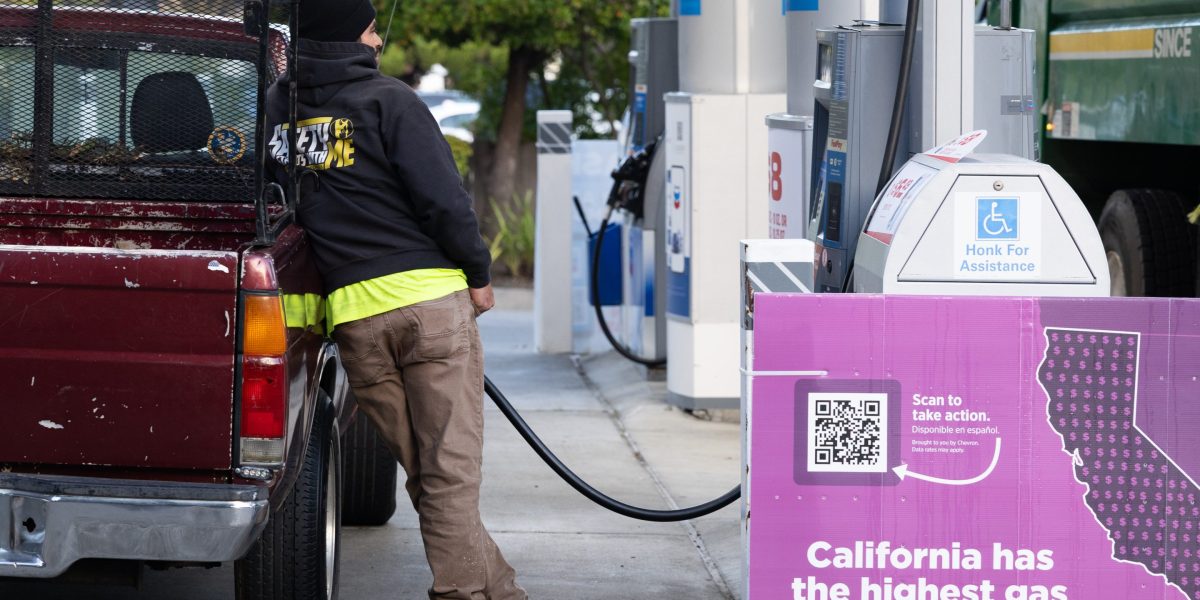
Healthcare costs are another major contributor to middle-class financial strain. Premiums, deductibles, and out-of-pocket expenses have skyrocketed, even for those with employer-sponsored insurance. A single medical emergency can wipe out years of savings, forcing families to rely on credit cards or loans to cover costs.
Middle-class families are particularly vulnerable because they often earn too much to qualify for government assistance but not enough to comfortably absorb healthcare expenses. This leads to tough financial decisions, like skipping doctor visits, delaying procedures, or cutting back on other necessities to afford care.
The emotional toll is just as significant. Many families live in constant fear of an unexpected illness or accident, knowing it could push them over the financial edge.
The Lifestyle Inflation Trap
There’s also the issue of lifestyle inflation, aka the tendency to increase spending as income rises. For many middle-class families, keeping up with societal expectations adds to the paycheck-to-paycheck cycle.
Upgrading to a bigger home, buying new cars, or spending on the latest gadgets can eat away at income that might otherwise go toward savings. Social media intensifies this pressure by creating a constant stream of comparison, making it seem like everyone else is living a more luxurious life.
The problem is that lifestyle inflation often happens quietly. Monthly subscriptions, dining out, and other small expenses add up, leaving families wondering where their money went. Without conscious budgeting, even a comfortable salary can vanish quickly.
The Decline of Financial Safety Nets
Previous generations of middle-class families could rely on pensions, stable jobs, and affordable college tuition to build wealth over time. Today, those safety nets have largely disappeared. Pensions have been replaced with 401(k) plans that depend on individual contributions and market performance, while college tuition has risen at rates far beyond inflation.
At the same time, social safety nets like affordable healthcare and childcare remain limited. Middle-class families are caught in a difficult position of earning too much to qualify for assistance but not enough to comfortably handle life’s rising costs.
This lack of a safety net creates a fragile financial foundation. One layoff, medical bill, or major expense can push a family into debt, forcing them to live month-to-month with no room for error.
What Can Be Done to Fix This?
The challenges facing the new middle class require both personal and systemic solutions. On a personal level, better budgeting, financial literacy, and intentional savings habits can help families gain control over their money. Cutting back on lifestyle inflation and building an emergency fund are small but powerful steps toward stability.
On a broader level, policy changes are necessary to address wage stagnation, the rising cost of healthcare, and housing affordability. Without structural changes, even the most disciplined savers will struggle to get ahead.
Employers can also play a role by offering benefits that support financial wellness, such as retirement matching, tuition assistance, and healthcare coverage that doesn’t break the bank. A stronger commitment to worker wages and security would go a long way toward helping families reclaim the financial stability that once defined the middle class.
Is the Middle Class Disappearing?
The struggles of the new middle class raise an uncomfortable question: Is financial security becoming a thing of the past? While some families are managing to thrive, many more are stuck in a cycle of rising costs, stagnant wages, and mounting debt.
What do you think? Do you see the middle class shrinking in your community, or is it just evolving? What personal or societal changes do you think are needed to fix this?
Read More:
These 6 Trends Are Quietly Killing the Middle Class
What the Middle Class Still Doesn’t Understand About the Rich

Riley Schnepf is an Arizona native with over nine years of writing experience. From personal finance to travel to digital marketing to pop culture, she’s written about everything under the sun. When she’s not writing, she’s spending her time outside, reading, or cuddling with her two corgis.