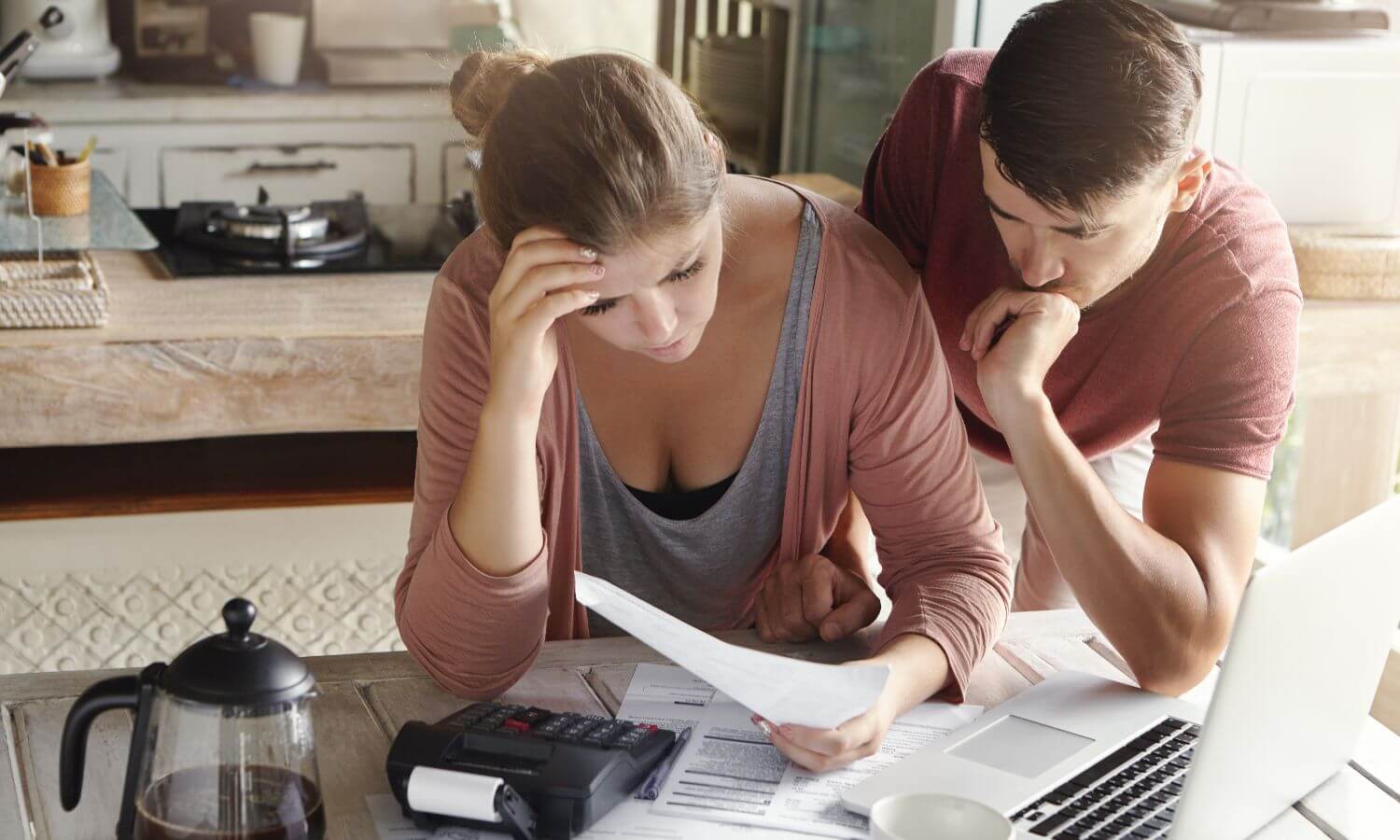
Many Canadians rely on their tax refunds to pay down debt or catch up financially, but when those refunds are smaller than expected (or, worse, turn into a bill), it can push already-stretched households further into debt, creating a cycle that’s hard to break.
We spoke with Stacy Yanchuk Oleksy, CEO of Money Mentors, about the challenges Canadians are facing, how to avoid a surprise bill at tax time, and what to do if you owe money after filing your return.
Why so many Canadians are vulnerable at tax time
The Vividata study polled 75,000 people nationwide to get an idea of the state of Canadians’ personal finances. Here’s what the responses revealed:
36% of card holders carry a credit card balance
58% have less disposable income than before
51% have to stick to a strict budget to make ends meet
37% feel overwhelmed by financial burdens
71% say the rising cost of living has reduced how much they are able to save
These responses, plus the fact that nearly half (49%) of Canadians who are in debt are living paycheque to paycheque, suggest that Canadians are struggling to make ends meet. And more people are relying on tax refunds to stay afloat, which can be a problem if they end up owing rather than getting a refund.
“Financial strain is a function over time,” said Yanchuk Oleksy. And Canadians have had a tough few years. Post-COVID prices are still high, despite inflation cooling to pre-pandemic levels. Unfortunately, wages haven’t kept up with inflation, and many people have had to dip into savings or lean on credit to get by.
The study also showed that younger generations (between the ages of 25 and 34) are most likely to hold consumer debt. Yanchuk Oleksy says this is because younger generations have had more access to credit cards, widespread opportunities to use buy now pay later plans, and the pressure of keeping up with their peers’ purchasing habits compared to older generations.
Related reading: Credit counselling calls surge as Canadians struggle with rising costs
How to avoid falling into a tax-time debt trap
We mentioned that more Canadians plan on using their tax refunds to pay off credit card debt, but taxpayers aren’t guaranteed a refund. In fact, you might owe once you file. Since Yanchuk Oleksy is a debt expert, we asked her about the best ways Canadians can avoid a surprise bill from the Canada Revenue Agency (CRA). Here are the strategies she recommends:

X
Check your payroll deductions. You might not be getting enough taxes taken from your regular paycheques, so adjusting this could help you avoid a bill next year. It’s also a good idea to check for any payroll errors while you’re at it.
Consider your income from side hustles or gigs. Even if these side hustles don’t earn you a lot of income on their own, the extra money you earn can push you into a higher tax bracket, so you might actually owe more at tax time.
Increase your tax withholding from your paycheques. If you owed this year and everything looked fine on your pay stubs, you can elect to deduct additional taxes from each paycheque. You’ll just need to fill out a new TD1 form and submit it to your employer.
Learn about tax credits. Maybe you owe taxes this year because you no longer qualify for a tax credit you received in the past. Eligibility for credits and benefits changes all the time, so stay on top of changes to provincial and federal programs to prevent surprises when it’s time to file.
Check your credit eligibilityProsper Canada has an incredibly useful financial tool on its website. Enter your demographic information into its Benefits Wayfinder tool to see a list of provincial and federal credits or programs you’re likely eligible for. The tool even tells you whether or not separate applications are required or if you just need to file your personal taxes.
How to handle tax debt
For Canadians already carrying balances, adding tax debt on top can quickly snowball—especially if they turn to high-interest credit to cover what they owe.
There are few things worse than going through the process of filing your taxes only to learn that you owe money, especially if you already have credit card debt that you can’t pay off. Before you panic, take a breath and consider your options.
Income Tax Guide for Canadians
Deadlines, tax tips and more
Yanchuk Oleksy says to pay the tax bill if you can afford it. If not, contact the CRA and explain that you’re having trouble making the payment. She notes that the CRA is always open to working with taxpayers to find a payment plan that works for everyone. “They’re there to help and make it work.”
On the other hand, if you ignore the bill or miss payments and don’t respond to the CRA’s attempts to contact you, you’re only making the situation more challenging. Maybe you’re already at that point and don’t know where to turn. Don’t hesitate to reach out to a non-profit credit counselling agency for support. They can help you create a manageable budget that includes the tax debt, and point you towards valuable community resources.
Government assistance updates for 2026
Affordability has definitely been a focus for the federal government. As a response to higher prices and economic uncertainty, Parliament introduced the Canada Groceries and Essentials Benefit Act, which replaces the GST/HST credit. With this new legislation, eligible Canadians will receive:
A one-time bonus payment in spring 2026 that’s equal to a 50% increase in the annual 2025–26 value of the GST/HST credit
A 25% increase in the Canada Groceries and Essentials Benefit for 5 years, starting in July 2026
The bottom line
Times are tight for many Canadians, and carrying a credit card balance has become a reality for many households. But relying on tax refunds to stay ahead can be risky if a balance turns into a bill. Planning ahead by adjusting tax withholdings, tracking your income, and understanding available credits can help reduce the chance of being caught by surprise when you file. If you’re already facing tax debt, acting early and seeking support can help make it more manageable.
Get free MoneySense financial tips, news & advice in your inbox.
Read more about debt: