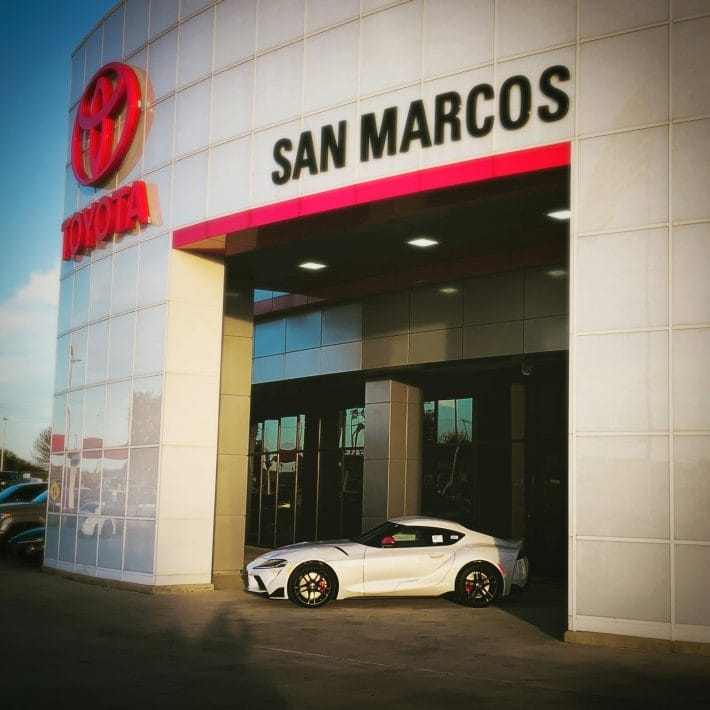
A buddy of mine recently told me that he purchased a service/maintenance package through Toyota when he bought his new car. I was shocked because #1 he bought a Mercedes from Toyota, and #2 these service packages have been known to be scams (not to mention, I can do most of the maintenance he’d need in my garage for free). That’s besides the point, though. After hearing about this package he’d purchased, I did some digging, and it turns out that many consumers aren’t thrilled with the level of service they received with these pre-purchased packages. In some cases, folks are even alleging that they’ve been scammed by Toyota.
So, before you get sweet-talked by a salesman at the dealership, here are nine things you should know about the Toyota service package… and why you’d probably be better off without it altogether.
1. Many Packages Include Services Your Owner’s Manual Doesn’t Require
One of the biggest problems with the Toyota service package is that it often includes maintenance items not listed in Toyota’s official schedule. Dealers may add fuel system cleanings, throttle body services, or transmission flushes long before Toyota recommends them.
These extras sound important, but they rarely provide meaningful benefits for modern engines. Drivers who trust the dealership assume these services are necessary, even though they’re not. Always compare the package to your owner’s manual before agreeing to anything.
2. Dealerships Use Bundles to Inflate Routine Maintenance Costs
A standard oil change and tire rotation might cost $80 to $120, but a Toyota service package can push that total to $300 or more. Dealers bundle simple tasks with unnecessary inspections or add‑on treatments to justify the higher price.
Because the services are grouped together, customers often don’t realize how much they’re paying for each individual item. This bundling strategy makes it harder to spot inflated charges. Breaking down the package line by line can reveal where the extra costs are hiding.
3. Some Packages Include “Lifetime” Fluids That Don’t Need Frequent Replacement
Many of these so-called deals include coolant flushes, brake fluid exchanges, or power steering services far more often than Toyota recommends. Modern vehicles use long‑life fluids designed to last tens of thousands of miles. Replacing them too early doesn’t improve performance. It just increases dealership revenue.
Drivers who follow the dealer’s schedule instead of Toyota’s may spend hundreds more per year. Sticking to the manufacturer’s intervals is the best way to avoid unnecessary fluid changes.
4. High-Pressure Sales Tactics Make Drivers Feel Obligated
Dealership service advisors are trained to make the Toyota service package sound urgent and essential. They may warn you about “potential engine damage,” “reduced fuel efficiency,” or “voided warranties” if you decline. These scare tactics work because most drivers don’t want to risk harming their vehicle.
But in reality, Toyota cannot void your warranty for refusing services that aren’t part of the official maintenance schedule. Understanding your rights can help you push back confidently.
5. Packages Often Duplicate Services You Already Paid For
Many new Toyota owners receive ToyotaCare, which covers basic maintenance for the first two years. Despite this, some dealers still try to sell a service package that duplicates those same services.
Drivers end up paying for oil changes, inspections, and rotations that ToyotaCare already provides for free. This confusion benefits the dealership, not the customer. Always check your ToyotaCare coverage before agreeing to any additional package.
6. Independent Shops Offer the Same Services for Less
Even when a Toyota service package includes legitimate maintenance items, dealerships rarely offer the best price. Independent mechanics can perform oil changes, brake services, and inspections at a fraction of the cost.
Many shops also use OEM‑quality parts and follow Toyota’s official guidelines. Drivers who assume the dealership is the only trustworthy option often pay far more than necessary. Shopping around can save you hundreds each year.
7. Some Packages Include Add-Ons With No Proven Benefit
Dealers frequently include engine additives, fuel treatments, or “performance boosters” in their Toyota service package. These products are marketed as ways to improve fuel economy or extend engine life, but most offer little to no measurable benefit. In fact, they can sometimes have a negative impact on your vehicle’s performance.
Modern engines are designed to run efficiently without aftermarket chemicals. These add‑ons simply pad the dealership’s profit margin. Skipping them won’t harm your vehicle in any way.
8. Drivers Feel Pressured Because They’re Already at the Dealership
When your car is already in the service bay, it’s easy to feel like you should agree to whatever the advisor recommends. This is exactly why it’s pitched during routine visits.
Drivers don’t want to appear uninformed or risk delaying needed maintenance. But taking a few minutes to review the package (or even declining and researching later) can prevent unnecessary spending. You’re never obligated to make a decision on the spot.
9. Packages Are Designed to Boost Dealership Profit, Not Driver Value
At the end of the day, all it is is a revenue tool. Dealerships rely heavily on service department profits, especially as new‑car margins shrink. Bundled packages allow them to upsell customers without appearing aggressive.
While some services are legitimate, many are simply unnecessary. Understanding this business model helps drivers make smarter choices.
Drivers Can Save Hundreds by Following Toyota’s Actual Maintenance Schedule
The easiest way to avoid overpaying for a Toyota service package is to rely on Toyota’s official maintenance guide. This schedule outlines exactly what your vehicle needs and nothing more. By sticking to it, comparing prices, and avoiding unnecessary add‑ons, you can keep your car running smoothly without draining your wallet. Dealerships may push expensive packages, but informed drivers stay in control. Knowledge is the best defense against overpriced maintenance.
Have you ever been offered a pricey service package at a dealership, or caught an unnecessary charge on your bill? Share your experience in the comments.
What to Read Next
7 Best Cheap Cars for College Students You Won’t Regret Buying
9 Cars That No One Over 60 Should Own
Are Classic Cars Safer Than New Ones Or Just Nostalgic Death Traps?
10 Glovebox Items You Never See in Cars Anymore
5 Classic Cars That Are Actually Affordable in 2025