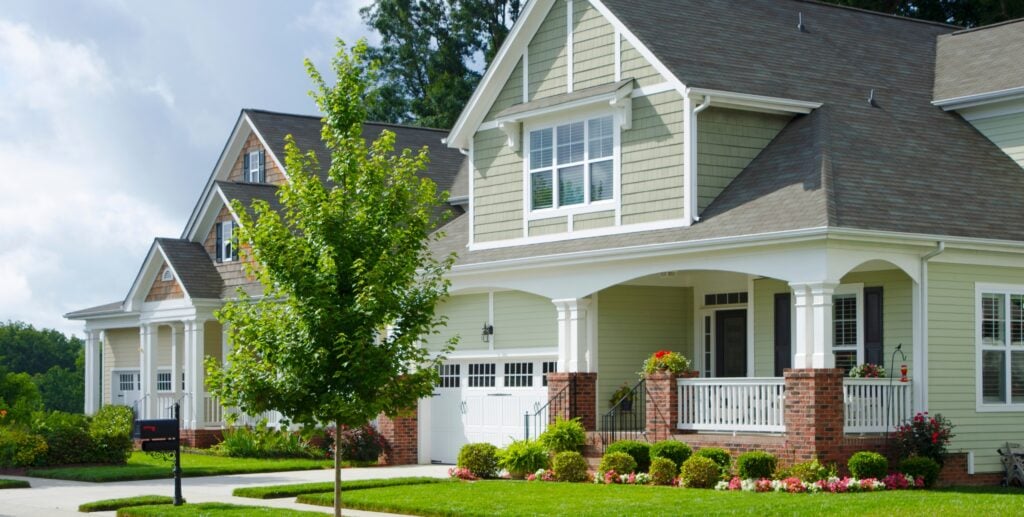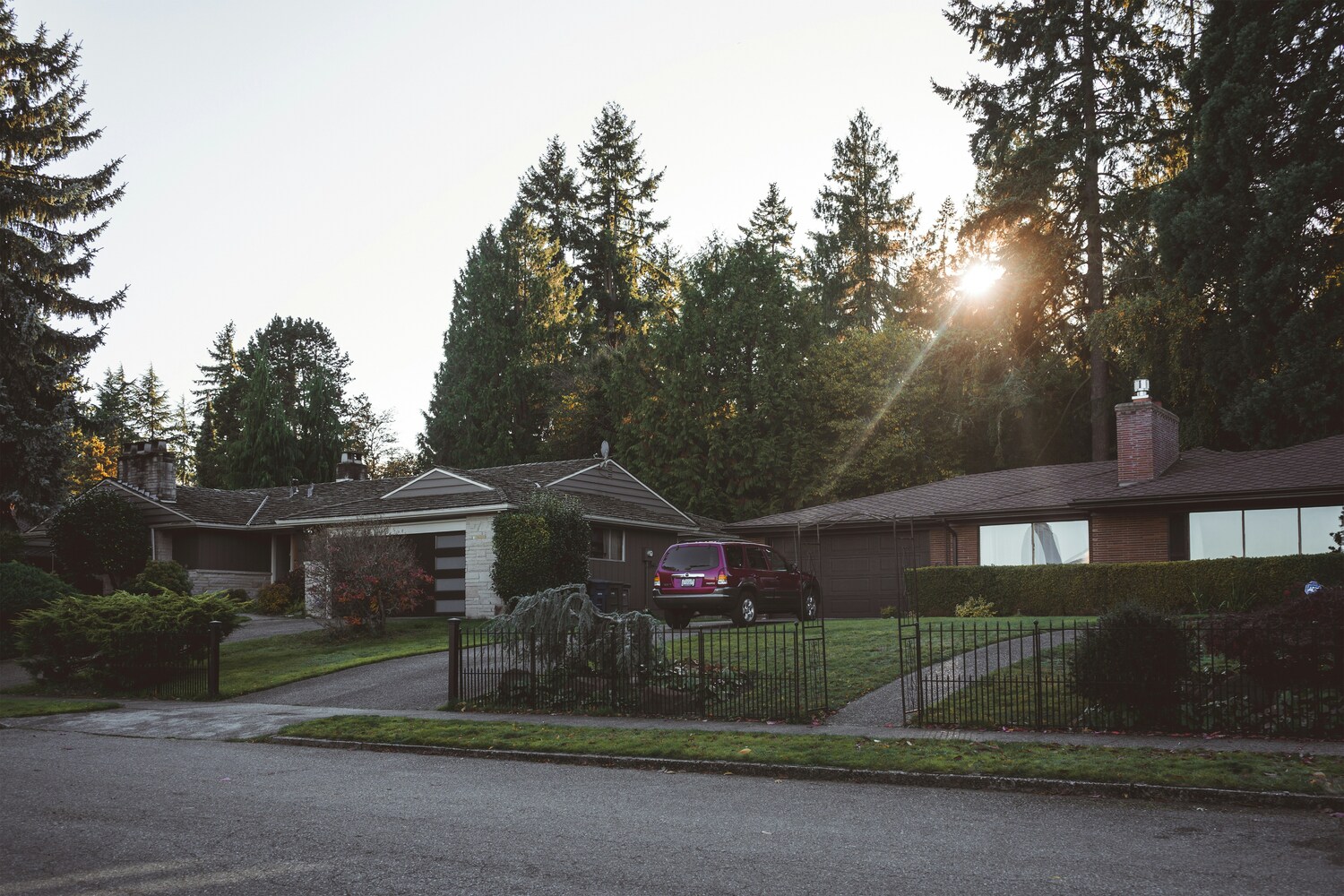
The dream of quiet suburban living—wide lawns, peaceful streets, and space to breathe—has long symbolized the American ideal. For many, it’s where families are raised and milestones are reached. But for older adults who find themselves aging alone in these same neighborhoods, the reality is often far more complicated and expensive than they expected.
While cities offer more social services, public transportation, and health infrastructure, suburbs were never designed with aging in mind. Once the kids are gone and a spouse passes away, those same leafy cul-de-sacs can become isolating traps. What’s worse, the slow erosion of support, mobility, and access to care often goes unnoticed—until it’s too late.
Here’s what suburban seniors and their families should know about the hidden financial, emotional, and logistical costs of aging alone in communities that were built for a different season of life.
The Real Cost of Aging Alone in Suburban America
The Illusion of Independence
Aging in place is a popular goal. Most older adults want to remain in their homes as long as possible, and suburbia appears to offer the privacy and peace to do just that. But maintaining independence in a suburban setting often requires more support, not less.
Driving becomes essential, but not everyone can or should drive into their 70s and 80s. Grocery stores, pharmacies, doctors, and community centers are often miles away, with limited or nonexistent public transportation. For seniors aging alone, this creates a silent but growing dependency on neighbors, delivery services, or paid transportation options.
As mobility declines, everyday tasks like shopping, attending medical appointments, and even socializing require outside help. Over time, staying “independent” in a suburban home often demands a complex, costly network of support systems that few anticipate.
Hidden Costs of Homeownership in Retirement
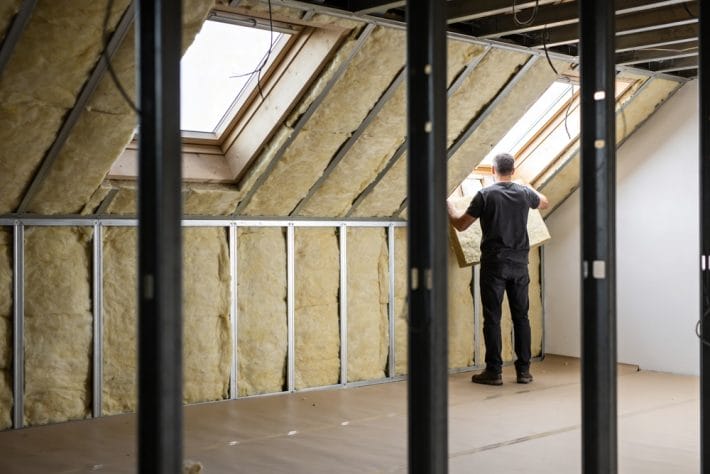
Many suburban seniors assume their mortgage-free home is their greatest asset, and on paper, it often is. But the reality of maintaining a large, aging home as a solo retiree can become an expensive burden. Aging homes come with roofing issues, plumbing failures, HVAC replacements, and yard maintenance, all of which add up fast when you’re living on a fixed income.
Because many retirees lack the physical stamina or skills to handle these projects themselves, they must hire help. And in areas with fewer handymen or senior-friendly contractors, prices can surge.
Then there’s the issue of property taxes, homeowners’ insurance, and rising utility bills—costs that don’t go away just because you stopped working. What seemed like a safe, smart investment during your working years can quietly erode your savings during retirement.
Isolation Worsens Health And Costs
A major but often overlooked cost of aging alone in suburbia is social isolation, which has been proven to increase health risks as significantly as smoking or obesity. Seniors who live alone are more likely to experience depression, cognitive decline, and slower recovery times from illness or surgery.
Isolation also contributes to poor nutrition and missed medical appointments, either because no one’s checking in, or the individual lacks the ability or motivation to coordinate care on their own.
This emotional toll often becomes a financial one. Studies show that socially isolated seniors are more likely to be hospitalized, experience falls, or require long-term care. And once hospitalization occurs, the likelihood of returning to fully independent living drops significantly.
Emergency Situations Become More Dangerous
Living alone poses unique risks for seniors in emergencies. Whether it’s a fall, a house fire, or a sudden illness, the lack of a second set of eyes or someone nearby to respond can turn a minor issue into a life-threatening situation.
Suburban settings can exacerbate this problem. Emergency responders may take longer to arrive in spread-out neighborhoods. Gated communities, hidden driveways, or confusing layouts can slow down access. In some cases, no one even knows something’s wrong until a neighbor notices mail piling up or lawn overgrowth.
For a person aging alone, having no one to monitor health, behavior changes, or daily routines can lead to tragic outcomes and higher emergency medical costs in the aftermath.

Services Are Often Out of Reach
Unlike urban areas where community centers, adult day programs, and senior-specific services are within walking distance or transit reach, suburban seniors often live miles away from critical resources.
This includes not only healthcare but also things like social programs, legal aid, senior meal services, and grief counseling. Even if programs exist, transportation becomes the gatekeeper. Without consistent access to a car or someone who can drive them, many aging individuals miss out entirely.
Private transportation services geared toward seniors are growing, but they come with a cost. Relying on ride-share services, in-home care providers, or senior concierge services can add hundreds or even thousands of dollars a month to one’s living expenses.
Downsizing Isn’t Always an Option
For many aging homeowners, the idea of downsizing into a smaller, more manageable home makes sense on paper. But in reality, zoning laws, housing shortages, and emotional ties to the home can all make this transition incredibly difficult.
In many suburban communities, there simply aren’t enough senior-friendly apartments, condos, or single-level homes within budget or in desirable locations. Some neighborhoods actively resist the development of senior housing, citing changes to “neighborhood character” or increased density.
Others impose restrictive homeowners association (HOA) rules that ban rentals, in-law suites, or modifications that would allow aging in place with help. As a result, many seniors remain in oversized homes, not because they want to, but because the alternatives are either unavailable or unaffordable.
Adult Children Often Live Far Away
In previous generations, aging parents often lived with or near their adult children. But today’s economy and job market have scattered families across states or even countries. Many suburban seniors don’t have relatives nearby who can check in regularly or help coordinate care.
That means hiring everything out—lawn care, cleaning, grocery shopping, medication reminders, and managing it all alone. The emotional stress of being far from family is compounded by the cost of trying to create a virtual safety net using paid services.
In some cases, adult children only realize how fragile the setup is when something goes wrong—an ER visit, a missed phone call, or a panicked neighbor reaching out. By then, catching up to the problem may require significant financial and logistical intervention.
Aging Alone Isn’t the Problem, Isolation Is
It’s important to note that aging alone isn’t inherently bad. Many older adults cherish their independence and find joy in solitude. But when that solitude happens in an environment that wasn’t designed for aging, or when support systems are limited, things can quickly unravel.
Suburban America was built for families with cars and active lives, not for solo retirees with limited mobility. As the country’s aging population grows, especially among those choosing to age alone, we need to rethink how these communities can adapt to meet the changing needs of their residents.
Rethinking Retirement in Suburbia
If you’re a senior or someone planning ahead, it’s worth asking some hard questions about what aging in your current neighborhood will actually look like in 10 or 20 years. Do you have access to transportation, community, and care? Will your home be manageable when you’re no longer physically independent? What support network will be around you when you need it?
The cost of aging alone in suburban America isn’t always obvious. But over time, the emotional toll, financial strain, and physical challenges can add up to far more than anyone expected.
Do you or someone you know plan to age alone in the suburbs? Share your thoughts or experiences in the comments below. Let’s start a conversation about how to build better support systems for solo seniors.
Read More:
The Real Reason Retirees Are Abandoning Golf Communities
10 Bills That Spike After You Retire