Many retirees cling to the belief that a paid-off mortgage ensures cheap living, but in 2026, the maintenance curve of an aging home often outpaces a fixed income. As both the homeowner and the house get older, a “dependency gap” opens up where physical limitations force the outsourcing of tasks just as labor rates hit record highs. Simultaneously, new federal regulations regarding energy efficiency and structural safety are effectively obsoleting systems that used to be cheap to repair. The result is a sharp, jagged increase in housing expenses that hits right when your earning power is at its lowest. Here are seven specific homeownership costs that rise sharply as you get older in the current economy.
1. The HVAC “Refrigerant Cliff” (A2L)
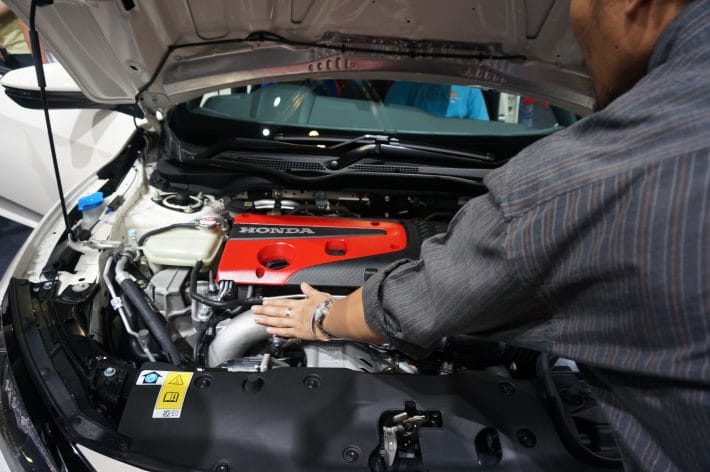
If your central air conditioner was built before 2025, it likely uses R-410A refrigerant, which is now being phased out under the EPA’s AIM Act. As of January 1, 2026, the transition to “A2L” refrigerants means that repairing a leak in an older unit has become prohibitively expensive due to supply scarcity. You may be forced to buy an entirely new system (condenser and air handler) because the new refrigerant is legally incompatible with your old equipment. This regulatory change turns a simple $300 repair into a $12,000 emergency replacement right in the middle of a heatwave. It is a mandatory upgrade that punishes anyone holding onto “vintage” appliances.
2. The “Drone-Mandated” Roof Replacement
In the past, you replaced a roof when it leaked, but in 2026, your insurance carrier decides when it is done. Insurers are now using high-resolution drones and satellite imagery to audit roofs for granular loss or moss growth without ever stepping foot on your property. If their algorithm flags your roof as “end of life,” you will receive a non-renewal notice demanding a full replacement within 60 days to keep your coverage. This “proactive” underwriting forces seniors to spend $15,000 to $20,000 on a new roof years before they planned to, simply to remain insurable.
3. The Condo “Structural Reserve” Assessment
For seniors living in condos, the post-Surfside legislation has triggered a massive wave of mandatory financial corrections. In 2026, laws in states like Florida require associations to fully fund their reserves for structural integrity, ending the practice of waiving fees to keep dues low. This has resulted in “Special Assessments” ranging from $40,000 to $60,000 per unit to pay for concrete restoration and waterproofing immediately. Fixed-income residents are being forced to sell their units because they cannot write the check for these surprise infrastructure bills.
4. The “Outsourcing” Labor Inflation
Tasks you once did yourself—like mowing the lawn, cleaning gutters, or shoveling snow—eventually become physically dangerous as you age. Unfortunately, the cost to outsource this labor has exploded in 2026, with landscaping and snow removal services raising rates by 6% to 8% to cover higher wages. A monthly lawn service that cost $100 five years ago is now $180, creating a new $2,000 annual line item in your budget. This “frailty tax” consumes a larger portion of your Social Security check every year that you remain in a single-family home.
5. The “Aging-in-Place” Retrofit Bill
Staying in your own home is the goal, but making it safe for a walker or wheelchair requires significant capital investment. In 2026, the average cost to install a stairlift has risen to $4,000 – $8,000, while widening a bathroom door can cost upwards of $2,500 due to carpentry labor rates. Even minor modifications, like installing grab bars and lever-style door handles, can add up to a $2,000 project when hiring a licensed handyman. These are not “renovations” that add resale value; they are purely functional costs required to avoid a nursing home.
6. The “Uninsurable” Electrical Panel
Insurance companies are aggressively purging older homes with specific brands of electrical panels (like Federal Pacific or Zinsco) from their risk pools. In 2026, these panels are often “auto-decline” in underwriting software, meaning you cannot get a new policy until the panel is swapped out. Seniors who try to shop for cheaper insurance are often shocked to learn they must spend $3,000 to $4,000 on an electrical upgrade just to switch carriers. It is a hidden barrier that traps you in expensive policies or forces a major expenditure.
7. The Property Tax “Exemption Gap”
While many states offer property tax freezes for seniors, these programs often have income limits that do not adjust fast enough for inflation. In 2026, a modest Cost of Living Adjustment (COLA) to your Social Security could accidentally bump your income above the eligibility threshold for your local exemption. If you lose this status, your property tax bill could effectively double overnight, erasing any gains you made from the COLA raise. You must vigilantly check the income caps every year to ensure you don’t accidentally “earn” your way out of a tax break.
Audit Your “Deferred” Maintenance
The strategy of “waiting until it breaks” is financially dangerous in an era of supply chain shortages and regulatory mandates. You must treat your home’s systems like a ticking clock and budget for their replacement before a drone or a law forces your hand.
Did your insurance company require a roof inspection this year? Leave a comment below—tell us if they used a drone!
You May Also Like…
Home Care in Montgomery County: Key Facts and Community Context
6 Home-Ownership Expenses That Catch Seniors Off Guard
6 Home-Related Expenses That Spike Before Spring
6 Home Repair Costs Seniors Can No Longer Put Off
7 Free Home Safety Programs That Reduce Long-Term Costs