For years, the “January Deductible Reset” has been a period of panic for the 3.5 million Californians living with diabetes. On January 1st, even with good insurance, many residents find themselves forced to pay the “list price” for life-saving insulin—often over $300 a vial or $500 for a pack of pens—until they hit their yearly deductible.
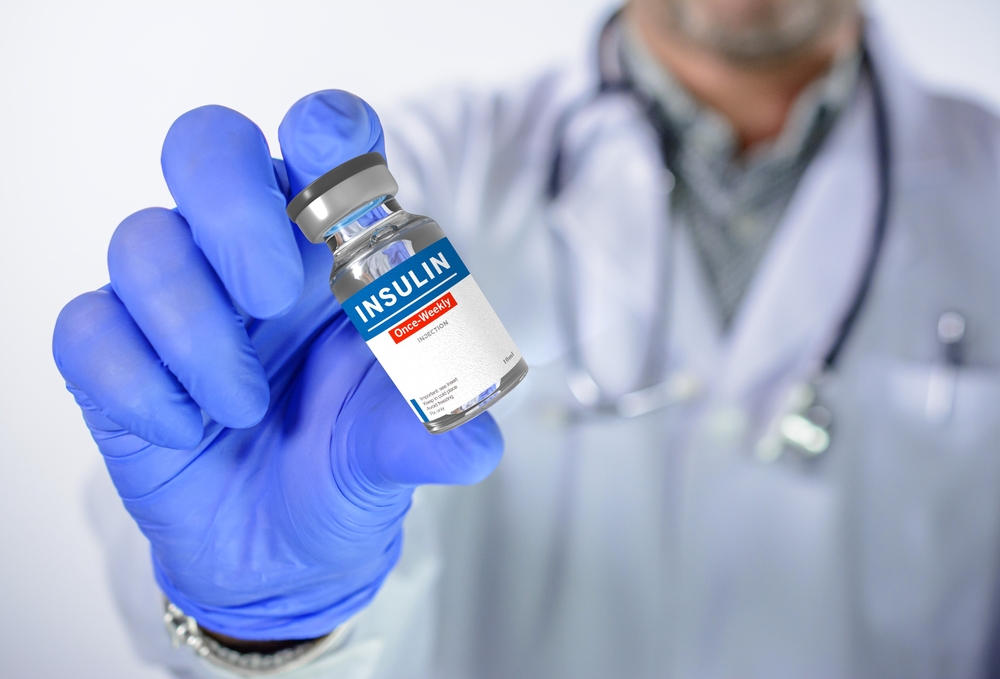
But as of January 1, 2026, the script has officially flipped. California has become the first state in the nation to manufacture and sell its own brand of generic medication. Under the CalRx Biosimilar Insulin Initiative, Californians can now bypass their insurance companies entirely and purchase state-branded insulin for just $11 per pen. Here is how to access this landmark program and why you might want to skip your insurance card at the pharmacy counter this week.
The “CalRx” Pricing: $11 vs. $500
The most revolutionary aspect of the 2026 launch is the price transparency. Through a partnership with the nonprofit manufacturer Civica Rx and Biocon Biologics, California is offering Insulin Glargine (a long-acting biosimilar) at a “Maximum Retail Price” of:
$11 per individual 3mL pen.$55 for a five-pack of pens.
According to Governor Gavin Newsom’s official announcement, this is a “people over profits” model. While brand-name equivalents like Lantus sell to pharmacies for over $92 (and often retail for $400+ for the uninsured), CalRx is sold to pharmacies for just $45 per pack, ensuring the $55 consumer price remains stable across the state.
No New Prescription Required
One of the biggest hurdles to switching medications is the need for a new doctor’s visit. However, California’s 2026 rules have removed this barrier. The CalRx Insulin Glargine pens are officially interchangeable with Lantus®. As noted by CA.gov, because they are designated as “interchangeable biosimilars,” you can simply ask your pharmacist to substitute your current Lantus or generic glargine prescription for the CalRx brand. You do not need to go back to your endocrinologist for a new slip; the pharmacist can make the switch at the point of sale.
Bypassing the “Deductible Trap”
Why would someone with insurance choose to pay “cash” for CalRx? The answer lies in the Insurance Deductible Trap. If you have a $3,000 deductible, your insurance “coverage” doesn’t actually help you in January. You are typically charged the insurer’s “negotiated rate,” which can still be $200+ per month. In 2026, you can simply tell your pharmacist: “Don’t run this through my insurance. I want the CalRx cash price.” By paying $55 for a five-pack, you are likely saving hundreds of dollars compared to your “insured” price during those first few months of the year. While these cash payments won’t count toward your insurance deductible, for many on fixed incomes, the immediate liquidity is more important than the long-term deductible math.
The $35 “Co-Pay Cap” Companion Law
It is important to note that CalRx isn’t California’s only 2026 insulin win. Simultaneously, Senate Bill 40 has officially taken effect. This law caps out-of-pocket insulin costs at $35 per month for anyone enrolled in a state-regulated private health plan.
According to Diabetech, this creates a two-tier safety net:
If you have a state-regulated plan: Your co-pay is capped at $35, regardless of the brand.If you are uninsured, underinsured, or have a high deductible: You use the $11-per-pen CalRx cash option. Between these two laws, no Californian should ever have to ration their insulin again.
Nationwide Impact: The “Civica” Effect
While this program is a California state initiative, it is having a “halo effect” across the country. Because California is such a massive market, its partnership with Civica Rx has allowed the manufacturer to scale up production. As reported by Healthline, Civica Rx is now offering similar $55 five-packs nationwide through partnerships with certain Blue Cross Blue Shield plans. California has effectively used its buying power to lower the ceiling on insulin prices for the entire United States.
How to Get Your $11 Pens Today
If you are ready to make the switch this week, the process is straightforward:
Check Your Current Script: Ensure you have an active prescription for Insulin Glargine (Lantus).Find a Participating Pharmacy: Most major chains in California (CVS, Walgreens, Rite Aid) and many local independents are stocked with the CalRx brand as of January 1st.Ask for the CalRx Label: Specifically ask the pharmacist for the “CalRx state-branded insulin.”Compare the Price: Have them run the price through your insurance and as a CalRx cash sale. If the cash price is lower, take the deal!
Have you successfully used the $11 CalRx pens this month, or did your pharmacy claim they were “out of stock”? Leave a comment below and help us track the rollout of this historic program.