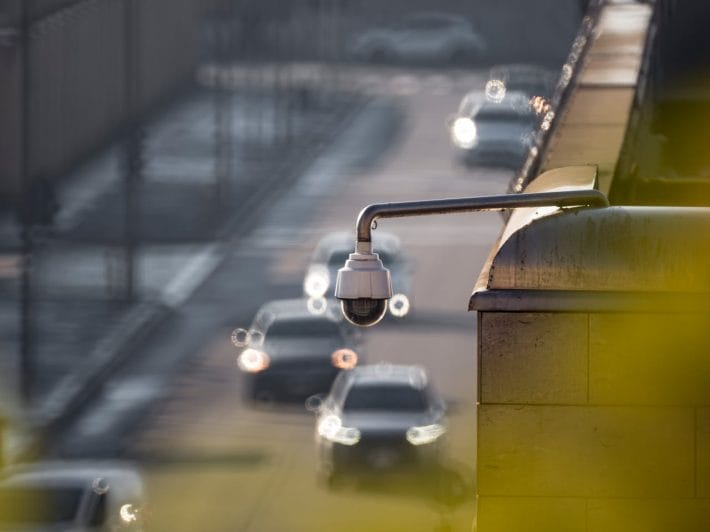
If you thought speed enforcement always meant a police officer pulling you over, think again. Across parts of Ohio, portable speed cameras are making a comeback, and many drivers are learning the hard way that tickets can show up in the mail days or even weeks later. What’s even more surprising is the confusion around whether an officer needs to be present when these cameras are used. For drivers, that uncertainty can lead to unexpected fines, frustration, and legal questions. Here’s what’s really going on, and what you need to know before your next drive.
Why Portable Speed Cameras Are Making a Comeback
Cities across Ohio are revisiting automated traffic enforcement as a way to improve safety. Officials argue that these systems help reduce speeding, accidents, and dangerous driving behaviors. In places like Dayton, photo enforcement programs are specifically aimed at protecting residents and reducing crashes.
At the same time, some communities see these cameras as a way to enforce laws without increasing police staffing. However, critics argue that revenue (not safety) is often the real motivation. This debate has kept traffic cameras controversial across the state. Despite pushback, more municipalities are bringing portable systems back into use.
What Ohio Law Actually Says About Officer Presence
Ohio law has strict rules governing how speed cameras can be used. Under the Ohio Revised Code, a law enforcement officer is generally required to be present when a traffic camera is actively issuing citations.
That said, there’s an important nuance that confuses many drivers. If a camera captures a violation, an officer can later review the footage and authorize a ticket.
This means you may still receive a citation even if you never saw an officer at the scene.
Why Drivers Are Getting Tickets Without Being Pulled Over
Unlike traditional traffic stops, camera enforcement happens silently. When a violation is detected, the system records images or video of the vehicle and the license plate. That information is then reviewed, and a citation is mailed to the registered owner.
There’s no immediate interaction with law enforcement, which can feel unusual to many drivers. But legally, these citations are typically treated differently from standard tickets.
Why These Cameras Are So Controversial
Traffic cameras have long been a hot-button issue in Ohio. Some lawmakers have tried to limit their use by reducing funding for cities that rely on them. Others argue they help reduce bias by removing human discretion from traffic stops. At the same time, critics claim they create a “ticket-by-mail” system that feels unfair.
Concerns about due process and transparency continue to fuel debate. As a result, laws and policies around these cameras are constantly evolving.
Recent proposals aim to tighten control over automated enforcement programs. For example, new legislation would require voter approval before cities can implement camera systems. This reflects growing public concern about how these tools are used. If passed, these changes could limit where and how cameras operate.
Where You’re Most Likely to Encounter These Cameras
Portable speed cameras are often placed in high-traffic or high-risk areas. School zones are one of the most common locations due to safety concerns. Some cities also deploy them in areas with frequent speeding complaints. Unlike fixed cameras, portable units can be moved frequently. That makes them harder to predict and avoid.
But the best way to protect yourself from a speed camera is to stay within the posted speed limits. You should also pay extra attention in school zones and residential areas. Enforcement in these places is more common. There is also typically signage indicating photo enforcement, though it may not always be obvious to drivers.
If you receive a ticket, review it carefully and decide whether to pay or contest it. Keeping documentation and acting quickly can help you avoid additional fees.
Have you ever received a ticket from a speed camera, or do you think they’re unfair? Share your experience in the comments!
What to Read Next
Police Issue Warning: Why You Should Stop Leaving Your Honda Civic Running in the Driveway
7 Common Favors From Neighbors That Lead to Police Reports
Are Local Police Sharing Surveillance Data With Medicare Fraud Units?
5 Ways To Deal With A Parent That Takes Out A Loan In Your Name Without Calling The Police
8 Legal Excuses Police Use to Search You That Feel Totally Wrong

Drew Blankenship is a seasoned automotive professional with over 20 years of hands-on experience as a Porsche technician. While Drew mostly writes about automotives, he also channels his knowledge into writing about money, technology and relationships. Based in North Carolina, Drew still fuels his passion for motorsport by following Formula 1 and spending weekends under the hood when he can. He lives with his wife and two children, who occasionally remind him to take a break from rebuilding engines.