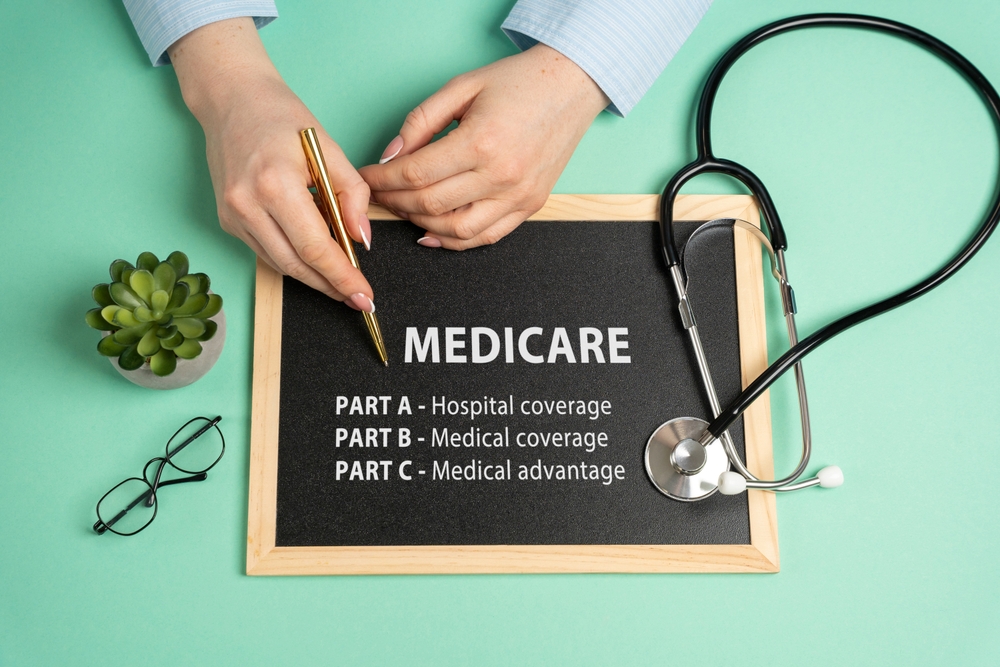
Medicare Part B premiums are increasing in January, reflecting higher healthcare costs and adjustments in program funding. The Centers for Medicare & Medicaid Services (CMS) announced the new rates late last year, citing rising expenses for outpatient services and prescription drugs. These increases are part of routine adjustments but are larger than many retirees expected. For seniors living on fixed incomes, the spike in premiums represents a significant financial burden. The rise underscores the broader challenge of balancing healthcare needs with limited retirement resources.
The Impact on Fixed-Income Seniors
Fixed-income seniors are among the hardest hit by the premium increases. Many retirees rely solely on Social Security benefits, pensions, or modest savings. Higher premiums reduce the net amount of monthly Social Security checks, leaving less for essentials such as housing, food, and utilities. Seniors already struggling with inflation now face additional healthcare costs. The impact is particularly severe for those with chronic conditions requiring frequent medical care.
How Premiums Are Calculated
Medicare Part B premiums are calculated based on income, with higher earners paying more under the Income-Related Monthly Adjustment Amount (IRMAA). However, even standard premiums are rising for all beneficiaries. Analysts note that premium hikes often offset Social Security COLA increases.
CMS uses projected program costs and trust fund balances to set rates each year. The formula reflects broader trends in healthcare spending, including new treatments and higher utilization.
The Role of Prescription Drug Costs
Prescription drug costs are a major driver of the premium increases. Medicare Part B covers certain medications administered in outpatient settings, such as cancer treatments and infusion therapies. Rising prices for these drugs contribute significantly to program expenses. Seniors who rely on these treatments face both higher premiums and increased out-of-pocket costs. Drug pricing remains a contentious issue in healthcare policy, with direct consequences for retirees.
Regional Variations in Costs
While Medicare premiums are set nationally, regional variations in healthcare costs influence overall spending. Areas with higher medical expenses contribute to the upward pressure on premiums. Seniors in regions with expensive healthcare markets may feel the impact more acutely. Regional disparities highlight the complexity of managing a national program with diverse local conditions.
Policy Debates Around Affordability
The spike in premiums has reignited policy debates about Medicare affordability. Advocates argue that seniors should not bear the brunt of rising healthcare costs. Proposals include expanding subsidies, capping premium increases, or restructuring drug pricing policies. Lawmakers are divided on solutions, balancing fiscal responsibility with the need to protect retirees. The debate reflects broader tensions in healthcare reform.
Take Action Now
Experts recommend several steps for seniors facing higher premiums.
Review Social Security statements to understand net benefit changes.
Explore Medicare Savings Programs that provide assistance for low-income beneficiaries.
Consider supplemental insurance options to offset out-of-pocket costs.
Monitor prescription drug expenses and discuss alternatives with healthcare providers.
Engage with advocacy groups to stay informed about policy developments.
Medicare Part B premium increases highlight the ongoing challenge of healthcare affordability for retirees. Rising costs, driven by prescription drugs and outpatient services, strain fixed incomes and reduce financial flexibility. The bigger picture is clear: seniors must adapt to higher expenses while policymakers debate long-term solutions. Premium spikes are not just numbers on a statement; they represent real sacrifices for millions of retirees.
Are you seeing higher Medicare deductions in your Social Security check this month? Leave a comment below to share your experience — your perspective can help others navigate these changes.
You May Also Like…
Pharmacies Are Repricing Dozens of Common Medications at the Start of the Year
Rising Home Insurance Premiums Are Forcing Seniors To Re-Evaluate Their Deductibles
A New Wave of Utility Rate Hikes Is Hitting Older Homeowners This Winter
Major Medicare Advantage Adjustments Rolling Out Right After New Year’s
How Fraudsters Exploit Medicare’s Open Enrollment Confusion