Unfortunately, the number of active Medicare and Social Security scams is on the rise. Criminals are becoming more tech-savvy, meaning they are able to dupe government documents more easily. If you receive something that looks like a brand-new Medicare card in the mail, many people assume it’s legitimate. But that’s generally not the case, especially if it’s asking you to call and activate. Here’s what you need to know about how this scam works and the one simple step you can take to protect yourself.
The “New Medicare Card” Scam Is Spreading Quickly
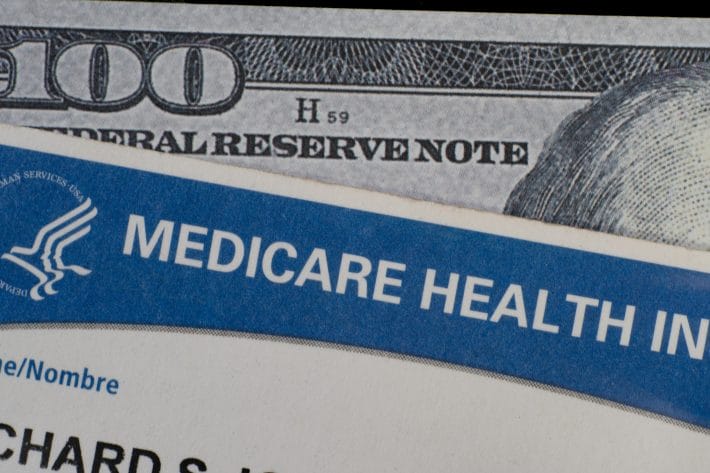
Scammers are now mailing fake Medicare cards that look surprisingly legitimate. Some even include holograms or plastic designs to mimic real identification cards. These mailers often claim your benefits have been “updated” or require verification. But what’s really going on is that there is a scammer somewhere waiting for you to call and provide your personal information.
At the center of this scam is your Social Security number (SSN). Scammers ask for it under the pretense of activating or confirming your new card. Once they have it, they can commit identity theft or file fraudulent medical claims. Ultimately, this can lead to billing issues, denied coverage, and long-term financial damage.
Medicare Is NOT Sending You a New Card
Here’s the most important fact: Medicare is not issuing new cards right now. The last major update occurred years ago when Social Security numbers were removed from cards.
Officials confirm there are no ongoing programs requiring you to “upgrade” your card. Real Medicare cards are mailed automatically and never require activation. If someone tells you otherwise, it’s almost certainly a Medicare scam.
Common Red Flags You Should Never Ignore
These scams often follow a predictable pattern that you can learn to spot. They may include urgent language like “act now” or risk losing your benefits. Some letters instruct you to call a number that isn’t linked to Medicare. Others may ask for payment or personal information to process your card. Any unexpected request like this is a major warning sign of a Medicare scam.
If you call the number or provide your information, the consequences can escalate quickly. Scammers may use your details to open accounts or commit medical identity fraud. You could see false charges appear on your Medicare records. In some cases, benefits may be disrupted due to fraudulent activity. And recovering from identity theft can take months or even years.
The One Rule That Can Save You From Costly Mistakes
The best defense against a Medicare scam is knowing how to respond. Never share your Social Security number, Medicare ID, or bank details with unsolicited contacts. If you receive a suspicious card or letter, do not call the number provided. Instead, contact Medicare directly using the official 1-800-MEDICARE number. Taking a moment to verify can prevent a costly mistake.
This one simple rule can keep you safe: never act on unexpected requests for personal information.
Have you received a suspicious Medicare card or message recently? Share your experience in the comments to help others stay safe.
What to Read Next
New Scam Targets Seniors With Fake Medical Devices — Here’s How to Spot It
Social Security Scam Surge: Ask This One Question Before You Give Your Number
5 Medical Scams That Target Seniors—and Are Still Working Today
The Free DNA Test Scam Is Back: Why Senior Centers Are Seeing a New Wave This Spring
Major Health Care Fraud Bust: 8 Medical Professionals Arrested in Hospice Care Scam

Drew Blankenship is a seasoned automotive professional with over 20 years of hands-on experience as a Porsche technician. While Drew mostly writes about automotives, he also channels his knowledge into writing about money, technology and relationships. Based in North Carolina, Drew still fuels his passion for motorsport by following Formula 1 and spending weekends under the hood when he can. He lives with his wife and two children, who occasionally remind him to take a break from rebuilding engines.