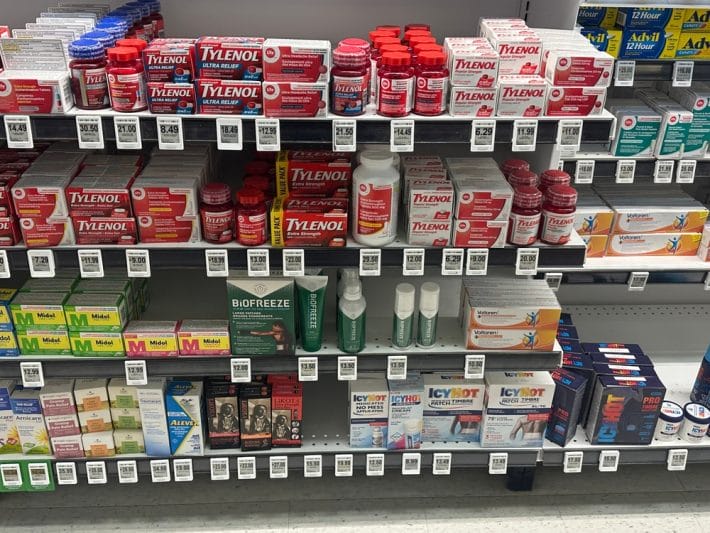
If you or a loved one takes daily prescriptions, this could be one of the most important reads of the year. Doctors aren’t always loudly announcing it, but many commonly used medications for seniors are being reconsidered due to growing safety concerns. Guidelines like the American Geriatrics Society Beers Criteria are increasingly influencing what doctors prescribe—and what they avoid. Here are six medications for seniors that doctors are slowly phasing out, and what you need to know if you’re taking any of them.
1. Benzodiazepines (Common Anxiety and Sleep Medications)
Benzodiazepines like Xanax, Valium, and Ativan are still widely prescribed for anxiety and insomnia. However, these medications for seniors are now strongly discouraged in many cases. They can cause drowsiness, confusion, and significantly increase the risk of falls and fractures. Older adults process these drugs more slowly, which means effects linger longer and build up in the body. Long-term use has also been linked to cognitive decline and even dementia risk in some studies.
2. Anticholinergic Drugs (Allergy and Bladder Medications)
Anticholinergic medications are found in many over-the-counter and prescription drugs, including allergy pills and bladder control medications. These medications for seniors can interfere with brain function and are known to cause confusion, blurred vision, and dizziness. They also increase the risk of falls and may contribute to long-term cognitive decline. Some research suggests a strong link between long-term use and dementia risk. Despite this, many seniors still take common versions like diphenhydramine (Benadryl) regularly.
3. “Z-Drugs” Sleep Aids (Ambien, Lunesta)
Sleep medications like Ambien and Lunesta are often seen as safer alternatives to older sedatives. However, doctors are increasingly grouping them with high-risk medications for seniors. These drugs can cause confusion, balance issues, and next-day grogginess that increases fall risk. Research shows they offer only minimal improvements in sleep quality for older adults. At the same time, they carry similar risks to benzodiazepines, including hospitalizations and accidents. Because of this, many providers are shifting toward non-drug sleep strategies.
4. Muscle Relaxants (Often Prescribed for Pain)
Muscle relaxants like cyclobenzaprine and carisoprodol are frequently prescribed for back or joint pain. But these medications for seniors are now considered risky due to their sedative effects. They can cause confusion, dizziness, and even heart-related side effects in older adults. The biggest concern is the increased likelihood of falls and injuries. In many cases, safer alternatives like physical therapy or targeted pain management are recommended instead.
5. Certain Diabetes Drugs (Like Glyburide)
Some older diabetes medications, particularly glyburide, are being phased out for seniors. These medications for seniors can cause dangerously low blood sugar episodes, which may lead to fainting or hospitalization. Older adults are especially vulnerable because their bodies regulate glucose differently. Newer medications offer more stable blood sugar control with fewer risks. Doctors now often recommend switching to safer alternatives when possible.
6. Long-Term NSAIDs (Common Pain Relievers)
Nonsteroidal anti-inflammatory drugs (NSAIDs) like ibuprofen and naproxen are commonly used for chronic pain. However, long-term use of these medications for seniors can increase the risk of stomach bleeding, kidney damage, and heart problems. These risks are significantly higher in people over 75 or those taking other medications. Even over-the-counter use can become dangerous when taken regularly. Many doctors now recommend limiting use or exploring safer pain management options.
What Seniors Should Do Before Stopping Any Medication
Hearing that a medication may be risky can feel alarming, but stopping suddenly can be dangerous. Many medications for seniors require careful tapering or replacement with safer alternatives.
The best step is to schedule a medication review with your doctor or pharmacist. Bring a complete list of prescriptions, over-the-counter drugs, and supplements. Ask whether each medication is still necessary and if safer options exist. This process, often called “deprescribing,” is becoming more common in senior care.
Why These Changes Matter More Than Ever
As the population ages, more seniors are taking multiple medications at once, increasing the risk of harmful interactions. Studies show that older adults are more likely to experience severe side effects and complications from medications. In fact, many adverse drug events in seniors are considered preventable. That’s why guidelines continue to evolve and why doctors are quietly adjusting their prescribing habits. Staying informed can help you or your loved ones avoid unnecessary risks. The goal isn’t to scare—but to empower smarter, safer health decisions.
Have you or a loved one been prescribed any of these medications for seniors, and were you aware of the risks? Share your experience in the comments.
What to Read Next
7 Over-the-Counter Medications Seniors Should Think Twice About Taking Every Day
The ER Risk No One Talks About: 6 Everyday Medications Doctors Need to Know You Take
8 Everyday Medications That Experts Warn Seniors Should Double-Check
Medicare’s New Drug Price Reductions Start Soon: Here Are the 10 Medications Affected
7 Common Medications Linked to Long-Term Cognitive Decline