No Result
View All Result
SUBMIT YOUR ARTICLES
  • Login
Thursday, December 18, 2025
TheAdviserMagazine.com
  • Home
  • Financial Planning
    • Financial Planning
    • Personal Finance
  • Market Research
    • Business
    • Investing
    • Money
    • Economy
    • Markets
    • Stocks
    • Trading
  • 401k Plans
  • College
  • IRS & Taxes
  • Estate Plans
  • Social Security
  • Medicare
  • Legal
  • Home
  • Financial Planning
    • Financial Planning
    • Personal Finance
  • Market Research
    • Business
    • Investing
    • Money
    • Economy
    • Markets
    • Stocks
    • Trading
  • 401k Plans
  • College
  • IRS & Taxes
  • Estate Plans
  • Social Security
  • Medicare
  • Legal
No Result
View All Result
TheAdviserMagazine.com
No Result
View All Result
Home Market Research Money

Credit Bureaus Hide This Critical Mistake That Slashes Your Score

by TheAdviserMagazine
4 weeks ago
in Money
Reading Time: 4 mins read
A A
Credit Bureaus Hide This Critical Mistake That Slashes Your Score
Share on FacebookShare on TwitterShare on LInkedIn


Image Source: Shutterstock

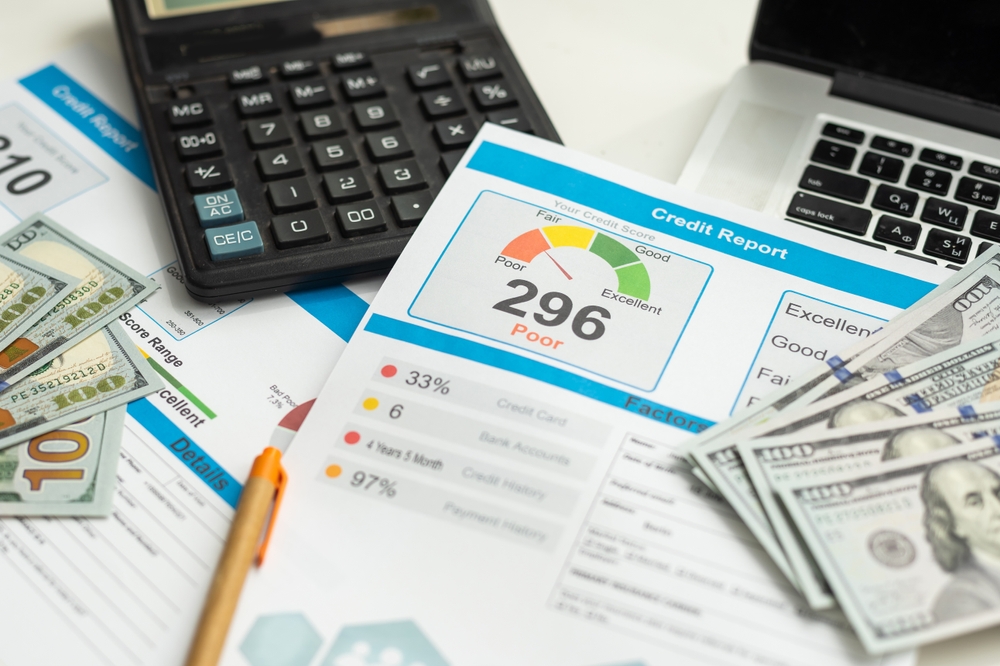
Credit scores determine access to loans, mortgages, and even job opportunities. A strong score opens doors to financial freedom, while a weak score closes them. Consumers assume their scores reflect their financial behavior accurately. Yet hidden mistakes within credit bureau systems can unfairly damage scores. Understanding these errors is essential for protecting financial health.

The Hidden Mistake: Mixed or Merged Files

One of the most damaging errors is the merging of credit files. This occurs when credit bureaus mistakenly combine information from two different people with similar names, addresses, or Social Security numbers. Suddenly, a consumer’s report may include debts, late payments, or accounts that don’t belong to them. This mistake slashes scores and creates financial chaos. Victims often discover the problem only after being denied credit.

Why Bureaus Hide the Problem

Credit bureaus rarely admit to these mistakes. Their systems are vast, automated, and resistant to scrutiny. Consumers who complain often receive vague responses or are told the information is “verified.” Bureaus prefer protecting their reputations to acknowledging systemic flaws. As a result, many people live with damaged scores caused by errors they didn’t create. Transparency remains a major challenge in the credit reporting industry.

The Impact on Everyday Life

A single error can have devastating consequences. Lower scores mean higher interest rates on loans and credit cards. Mortgages may be denied, forcing families to delay homeownership. Insurance premiums can rise, costing consumers hundreds of dollars annually. Even job applications may be affected, as some employers check credit reports. The hidden mistake transforms everyday financial decisions into obstacles.

Why Consumers Rarely Notice

Most consumers rarely check their credit reports. They assume bureaus maintain accurate records and only discover problems when applying for credit. Even those who review reports may overlook errors buried in complex documents. The language is technical, and the layout is confusing. Without vigilance, mistakes remain hidden for years. Consumers must take proactive steps to uncover them.

How to Spot the Mistake

Spotting merged files requires careful review of credit reports. Consumers should look for unfamiliar accounts, incorrect addresses, or debts they don’t recognize. Comparing reports from all three major bureaus—Equifax, Experian, and TransUnion—helps identify inconsistencies. Requesting free annual reports through AnnualCreditReport.com is the first step. Vigilance ensures errors are caught before they cause lasting damage.

Steps to Correct Errors

Correcting errors requires persistence. Consumers must file disputes with each bureau, providing documentation to support their claims. This may include bank statements, identification, or letters from creditors. Bureaus are legally required to investigate disputes within 30 days. If they fail to correct mistakes, consumers can escalate complaints to the Consumer Financial Protection Bureau (CFPB). Persistence is key to restoring scores.

The Role of Legal Action

In severe cases, legal action may be necessary. Consumers harmed by bureau negligence can sue under the Fair Credit Reporting Act (FCRA). Lawsuits hold bureaus accountable and may result in compensation for damages. Legal pressure also forces systemic improvements. While lawsuits are daunting, they remain an important tool for protecting consumer rights.

The Consumer Burden

When errors occur, the burden of proof falls unfairly on consumers. Credit bureaus often require individuals to gather extensive documentation to prove that debts or accounts are not theirs. This process can be exhausting, especially for those unfamiliar with financial jargon or legal procedures. Many consumers spend weeks or months disputing errors, only to receive vague responses or temporary corrections. The responsibility should rest with bureaus to maintain accuracy, yet individuals are forced to fight for fairness.

Technology and Automation Issues

Automation is both a strength and a weakness for credit bureaus. Massive databases rely on algorithms to match names, addresses, and Social Security numbers, but these systems are not foolproof. A single typo or outdated record can trigger a cascade of errors. Once files are merged incorrectly, automated systems replicate the mistake across multiple reports. Consumers then face the challenge of untangling digital records that were never manually verified. The reliance on automation without adequate human oversight is a major contributor to hidden mistakes.

Why Reform Is Needed

The persistence of hidden mistakes highlights the need for reform. Credit bureaus wield enormous power yet face limited accountability. Stronger regulations, independent audits, and greater transparency are essential. Consumers deserve accurate records and fair treatment. Reform would restore trust in the credit reporting system and protect financial stability.

Uncovering Critical Mistakes

Credit bureaus hide critical mistakes that slash scores, leaving consumers vulnerable. Mixed or merged files create chaos, and bureaus rarely admit fault. The impact extends to loans, mortgages, insurance, and employment. Vigilance, disputes, and legal action remain the only defenses. Moving forward, consumers must demand transparency and accountability. Protecting credit scores is not just about financial health—it’s about fairness and trust.

Have you ever found an error on your credit report? Sharing your story could help others protect their scores.

You May Also Like…

Teri Monroe started her career in communications working for local government and nonprofits. Today, she is a freelance finance and lifestyle writer and small business owner. In her spare time, she loves golfing with her husband, taking her dog Milo on long walks, and playing pickleball with friends.



Source link

Tags: BureausCreditCriticalHideMistakeScoreSlashes
ShareTweetShare
Previous Post

WLFI Price Soars 17%: What’s Fueling the Surge?

Next Post

The Charities That Let Donors Down — And What You Should Know Before Giving Again

Related Posts

edit post
How to tap into AI growth while managing risk

How to tap into AI growth while managing risk

by TheAdviserMagazine
December 17, 2025
0

The tech sector has seen significant volatility recently, as speculation mounts on whether there’s an AI bubble percolating after a...

edit post
Marrying for Money Works: 6 Ways Marriage Builds Wealth

Marrying for Money Works: 6 Ways Marriage Builds Wealth

by TheAdviserMagazine
December 17, 2025
0

Advertising Disclosure: When you buy something by clicking links within this article, we may earn a small commission, but it...

edit post
8 Best Money And Investing Podcasts

8 Best Money And Investing Podcasts

by TheAdviserMagazine
December 17, 2025
0

8 Best Money And Investing Podcasts Whether you are driving in traffic, doing the laundry, or walking in the park,...

edit post
10 Seasonal Home Tasks Older Adults Should Automate Immediately

10 Seasonal Home Tasks Older Adults Should Automate Immediately

by TheAdviserMagazine
December 17, 2025
0

Winter is one of the most demanding seasons for home maintenance, especially for older adults aging in place. Cold weather,...

edit post
Rising Water Treatment Costs Are Affecting Retiree Budgets Nationwide

Rising Water Treatment Costs Are Affecting Retiree Budgets Nationwide

by TheAdviserMagazine
December 17, 2025
0

Seniors are opening their water bills and noticing higher charges than they paid just a few months ago. Water treatment...

edit post
Pain Power

Pain Power

by TheAdviserMagazine
December 17, 2025
0

If you find value in these articles, please share them with your inner circle and encourage them to Sign Up for...

Next Post
edit post
Key Tax Deadlines for Small Business Owners in 2026

Key Tax Deadlines for Small Business Owners in 2026

edit post
How Does a Yearly Bonus Affect My Tax Returns?

How Does a Yearly Bonus Affect My Tax Returns?

  • Trending
  • Comments
  • Latest
edit post
How Long is a Last Will and Testament Valid in North Carolina?

How Long is a Last Will and Testament Valid in North Carolina?

December 8, 2025
edit post
How to Make a Valid Will in North Carolina

How to Make a Valid Will in North Carolina

November 20, 2025
edit post
In an Ohio Suburb, Sprawl Is Being Transformed Into Walkable Neighborhoods

In an Ohio Suburb, Sprawl Is Being Transformed Into Walkable Neighborhoods

December 14, 2025
edit post
Democrats Insist On Taxing Tips        

Democrats Insist On Taxing Tips        

December 15, 2025
edit post
Living Trusts in NC Explained: What You Should Know

Living Trusts in NC Explained: What You Should Know

December 16, 2025
edit post
Who Should I Choose as My Powers of Attorney?

Who Should I Choose as My Powers of Attorney?

December 6, 2025
edit post
When Is an Informal Tax Refund Claim Timely? – Houston Tax Attorneys

When Is an Informal Tax Refund Claim Timely? – Houston Tax Attorneys

0
edit post
‘We might need more than a few grains of salt’: Top economists pan inflation report that effectively assumed housing inflation was zero

‘We might need more than a few grains of salt’: Top economists pan inflation report that effectively assumed housing inflation was zero

0
edit post
The Fast Fashion Dilemma – Econlib

The Fast Fashion Dilemma – Econlib

0
edit post
100 new crypto ETFs in 2026 will share a terrifying “single point of failure” that could freeze 85% of global assets

100 new crypto ETFs in 2026 will share a terrifying “single point of failure” that could freeze 85% of global assets

0
edit post
Some Nursing Homes Are Adding “Climate Control Fees” During Cold Spells

Some Nursing Homes Are Adding “Climate Control Fees” During Cold Spells

0
edit post
Friday could be a wild day of trading on Wall Street. Here’s why

Friday could be a wild day of trading on Wall Street. Here’s why

0
edit post
100 new crypto ETFs in 2026 will share a terrifying “single point of failure” that could freeze 85% of global assets

100 new crypto ETFs in 2026 will share a terrifying “single point of failure” that could freeze 85% of global assets

December 18, 2025
edit post
‘We might need more than a few grains of salt’: Top economists pan inflation report that effectively assumed housing inflation was zero

‘We might need more than a few grains of salt’: Top economists pan inflation report that effectively assumed housing inflation was zero

December 18, 2025
edit post
Friday could be a wild day of trading on Wall Street. Here’s why

Friday could be a wild day of trading on Wall Street. Here’s why

December 18, 2025
edit post
New York Firm Missed ‘Glaring Red Flags’ of Churning

New York Firm Missed ‘Glaring Red Flags’ of Churning

December 18, 2025
edit post
Kalshi Prediction Market and TRON Integration Bridges Traditional Finance with Crypto

Kalshi Prediction Market and TRON Integration Bridges Traditional Finance with Crypto

December 18, 2025
edit post
5 Things to Know About the U.S. Bank Split Credit Card

5 Things to Know About the U.S. Bank Split Credit Card

December 18, 2025
The Adviser Magazine

The first and only national digital and print magazine that connects individuals, families, and businesses to Fee-Only financial advisers, accountants, attorneys and college guidance counselors.

CATEGORIES

  • 401k Plans
  • Business
  • College
  • Cryptocurrency
  • Economy
  • Estate Plans
  • Financial Planning
  • Investing
  • IRS & Taxes
  • Legal
  • Market Analysis
  • Markets
  • Medicare
  • Money
  • Personal Finance
  • Social Security
  • Startups
  • Stock Market
  • Trading

LATEST UPDATES

  • 100 new crypto ETFs in 2026 will share a terrifying “single point of failure” that could freeze 85% of global assets
  • ‘We might need more than a few grains of salt’: Top economists pan inflation report that effectively assumed housing inflation was zero
  • Friday could be a wild day of trading on Wall Street. Here’s why
  • Our Great Privacy Policy
  • Terms of Use, Legal Notices & Disclosures
  • Contact us
  • About Us

© Copyright 2024 All Rights Reserved
See articles for original source and related links to external sites.

Welcome Back!

Login to your account below

Forgotten Password?

Retrieve your password

Please enter your username or email address to reset your password.

Log In
No Result
View All Result
  • Home
  • Financial Planning
    • Financial Planning
    • Personal Finance
  • Market Research
    • Business
    • Investing
    • Money
    • Economy
    • Markets
    • Stocks
    • Trading
  • 401k Plans
  • College
  • IRS & Taxes
  • Estate Plans
  • Social Security
  • Medicare
  • Legal

© Copyright 2024 All Rights Reserved
See articles for original source and related links to external sites.