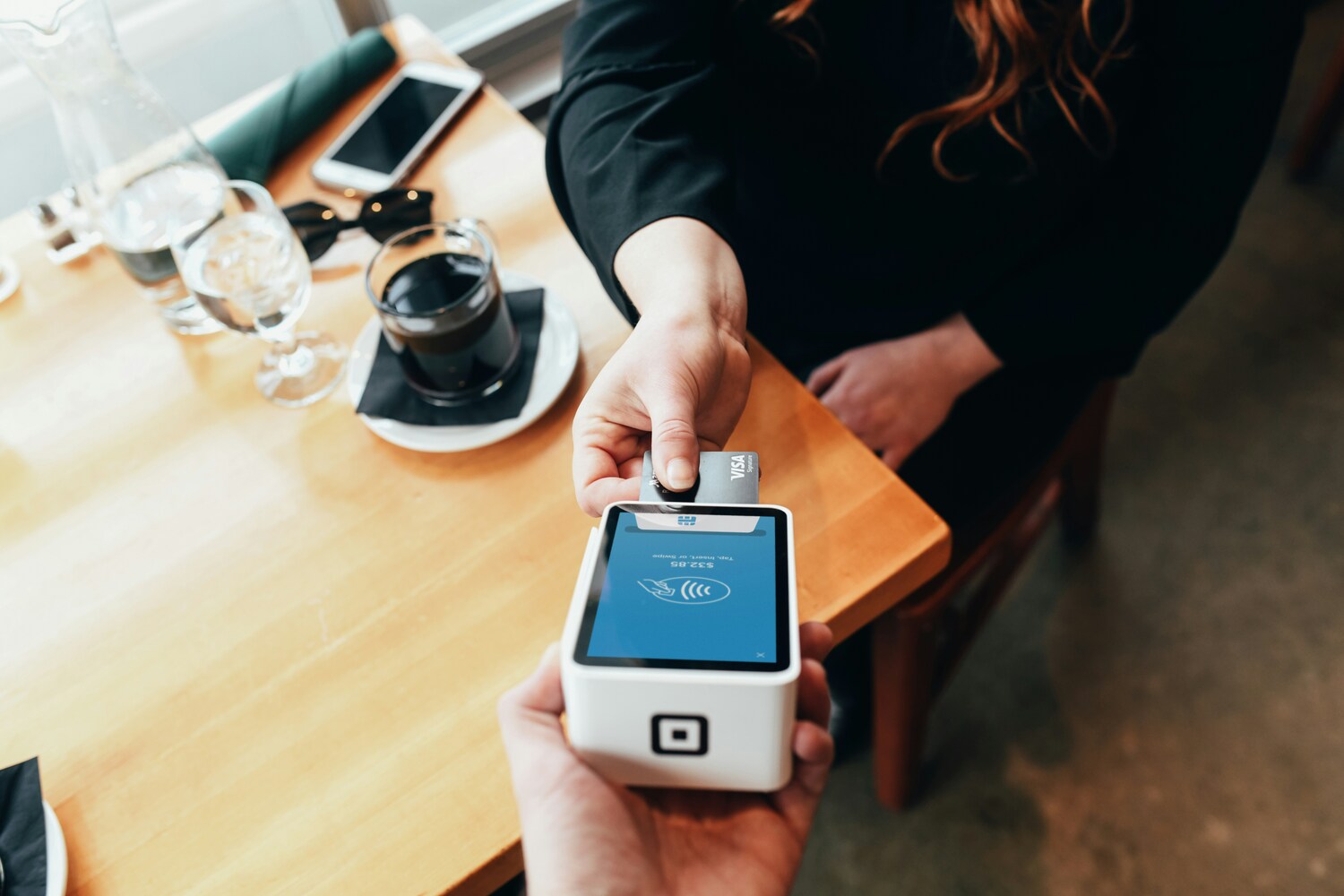
Once a universal currency, cash is rapidly losing its power. As digital payments gain traction and businesses seek speed and efficiency, a growing number of places are quietly saying “no thanks” to bills and coins. For older adults and cash-preferred shoppers, this trend can feel exclusionary. For businesses, it’s all about cost savings and modernization.
What started as a pandemic-era precaution has evolved into a permanent policy for many establishments. From coffee shops to stadiums, the shift toward card-only or app-based transactions is reshaping how we spend and who gets left behind.
Here are nine everyday places where cash is increasingly unwelcome, and why this quiet revolution matters more than you might think.
1. Coffee Shops and Quick-Serve Restaurants
If you’ve walked into a trendy coffee spot lately, you may have noticed a sign at the register: “Card Only” or “No Cash Accepted.” More cafés and fast-casual eateries are ditching cash to streamline operations, speed up lines, and avoid managing change drawers.
Popular chains like Sweetgreen and certain Starbucks locations have already transitioned to card and app payments only. While it’s faster for staff and safer against theft, the policy leaves out people who don’t use debit or credit cards, or who simply prefer the budgeting discipline of cash.
2. Sports Arenas and Entertainment Venues
Major stadiums and event venues are now going fully cashless, citing faster concession lines and reduced overhead as reasons. Some arenas offer reverse ATMs where fans can load cash onto prepaid cards, but the message is clear: cash is no longer welcome.
NFL, NBA, and MLB stadiums across the U.S. have moved to card- and app-only systems, meaning even your bottle of water or nachos requires a swipe or tap. For families or older fans unfamiliar with mobile wallets, this can make an outing unexpectedly frustrating.
3. Parking Garages and Meters
Finding a place to park is one thing—paying for it with cash is another. Parking garages, public lots, and even curbside meters in many cities now require a card or app to complete the transaction.
Apps like ParkMobile and PayByPhone have become standard in urban areas, replacing the need for coins or bills. While convenient for some, it poses a barrier for drivers without smartphones or those wary of storing payment info digitally.
This shift also affects tourists, low-income drivers, and seniors, who may find themselves unable to pay even when a spot is open, simply because their cash isn’t accepted.
4. Public Transit Systems
Public transportation was once the most cash-friendly option around. But across the U.S., major transit systems are phasing out onboard cash payments in favor of reloadable cards and mobile apps.
Cities like San Francisco, Washington, D.C., and Chicago now rely on systems like Clipper, SmarTrip, and Ventra. Riders must preload funds onto these cards or use contactless credit/debit payments to board.
While efficient, these systems assume access to technology and the internet, something not everyone has. The digital divide becomes even more apparent when unbanked individuals are left with no way to access public transportation.
5. Farmer’s Markets
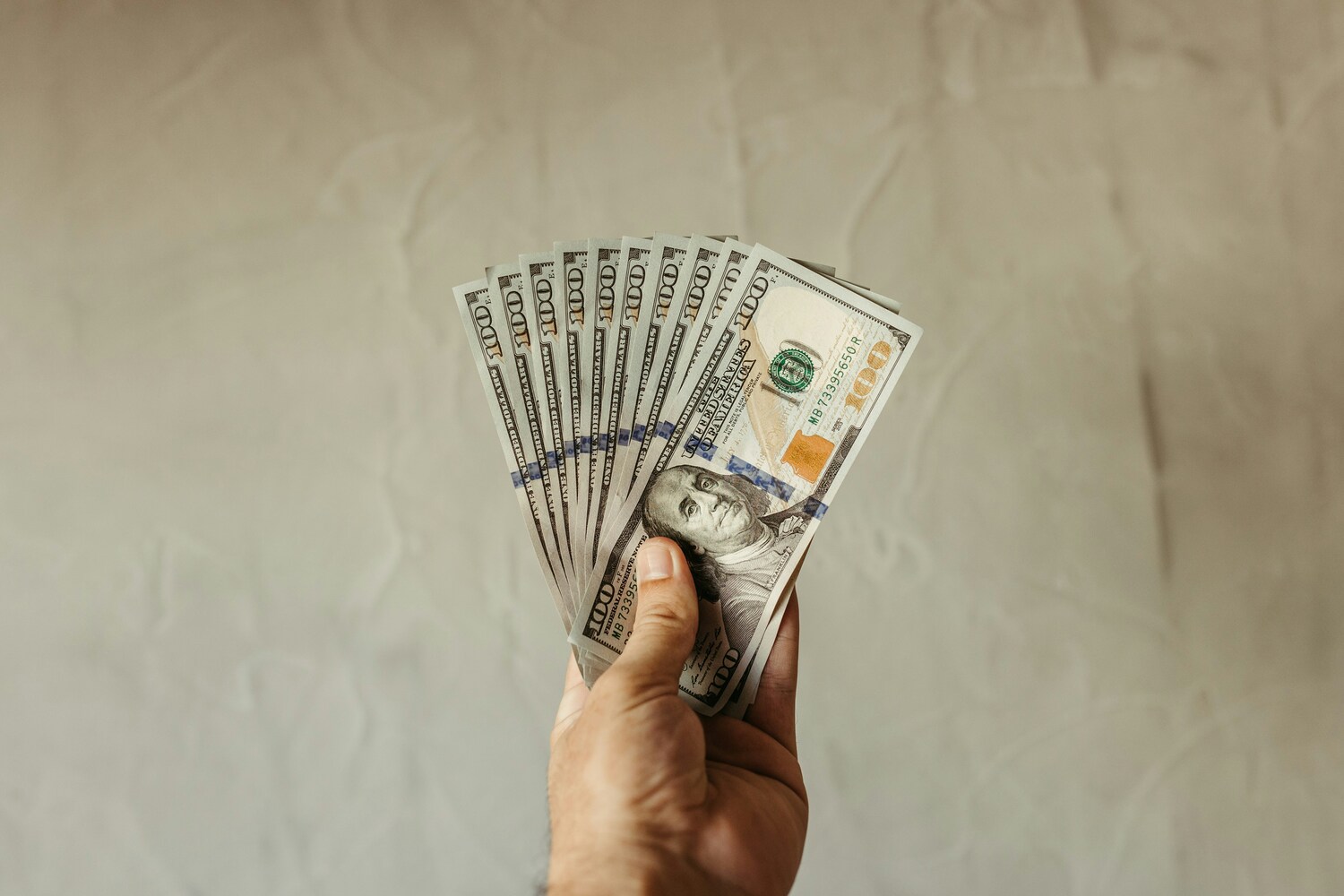
It might seem surprising, but even farmer’s markets, a setting traditionally known for cash-friendly stalls, are going digital. Many vendors now accept payments through Square, Venmo, or contactless cards only.
What used to be a haven for off-the-grid shoppers is adapting to modern preferences. While it’s easier for vendors to track sales and avoid handling change, it sidelines customers who show up with paper bills in hand, expecting a more traditional transaction.
6. Tolls and Highway Systems
Cash toll booths are disappearing. Many states have moved to cashless tolling using systems like E-ZPass, FasTrak, or SunPass, where vehicles are billed by plate or linked transponder. If you don’t have a preloaded account or debit card on file, you’ll receive a mailed bill, and possibly a fine for nonpayment.
The shift may seem seamless for tech-savvy drivers, but for those who rely on cash, especially infrequent travelers or out-of-state visitors, it’s a system that punishes old-school habits.
7. Food Trucks and Pop-Up Vendors
It used to be that the local taco truck or flea market vendor only took cash. Now, it’s often the opposite. Many small vendors exclusively use app-based payment platforms like Square or Zelle to avoid handling physical money and reduce the risk of theft.
Some even cite speed and hygiene as reasons for skipping cash altogether. While it may help vendors stay nimble, it’s creating friction for customers who still assume smaller operations prefer bills over cards.
8. Movie Theaters
Some modern movie chains, particularly luxury or dine-in cinemas, now accept only cards or mobile wallets. Whether you’re buying a ticket or ordering popcorn, expect to pay digitally.
Chains like Alamo Drafthouse and select AMC locations have moved toward a completely cashless system. While these changes often aim to reduce lines and increase security, they also raise the barrier for spontaneous outings, especially for patrons who don’t own a credit card or prefer cash budgeting.
9. Airlines and In-Flight Purchases
While buying a plane ticket still allows for various payment methods, once you’re in the air, it’s card-only. Most major airlines have eliminated cash payments for in-flight services like snacks, drinks, and upgrades.
Even domestic carriers now require a credit or debit card for purchases once aboard. This shift leaves infrequent flyers or budget travelers—who may have budgeted with cash—unable to access food or amenities mid-flight.
A Shift That’s Not as Inclusive as It Seems
The march toward a cashless society is marketed as inevitable, modern, and efficient. Businesses enjoy faster transactions, lower theft risk, and simplified accounting. But the real-world impact reveals a much more complicated story, especially for seniors, low-income individuals, and those without bank access.
According to the FDIC, roughly 4.5% of U.S. households remain unbanked, meaning they lack access to a checking or savings account. That number rises significantly in certain regions and among specific demographics, particularly older adults and marginalized communities.
By refusing cash, businesses effectively shut out a segment of the population who either can’t or won’t engage with digital banking. It’s a trend that may make sense on a balance sheet but falls short of creating a truly inclusive economy.
What This Means for Consumers Going Forward
If this trend continues (and all signs suggest it will), consumers will need to adapt quickly. That could mean opening bank accounts, learning digital wallets, or acquiring prepaid cards just to access everyday services. For many, this isn’t a minor inconvenience. It’s a fundamental change in how they navigate the world.
Meanwhile, regulators and advocacy groups are starting to push back. Cities like San Francisco and New York have already passed ordinances requiring most businesses to accept cash, citing consumer fairness. But enforcement is spotty, and many cashless policies remain in place due to “health and safety” exceptions.
As technology races ahead, the challenge will be balancing innovation with accessibility, ensuring that modern convenience doesn’t come at the cost of excluding vulnerable populations.
Is the Cashless Future Leaving You Behind?
While some welcome the ease of tapping a phone or card, others are being left behind by a system that quietly rejects their way of life. The move away from cash may be efficient, but it’s far from neutral. It’s reshaping how we spend, who we serve, and what we value.
Have you encountered a place that no longer accepts cash? How did it affect your experience, and do you think businesses should always be required to accept it?
Read More:
How Some Credit Cards Penalize You for “Responsible” Spending
10 Ways to Use Credit Card Rewards to Fund Your Lifestyle Completely

Riley Jones is an Arizona native with over nine years of writing experience. From personal finance to travel to digital marketing to pop culture, she’s written about everything under the sun. When she’s not writing, she’s spending her time outside, reading, or cuddling with her two corgis.