The closed the week at 6,388.64, notching another fresh record high and extending one of the longest weekly winning streaks in the past three years. This persistent rally has been fueled by a potent combination of strong earnings from tech bellwethers, growing expectations of Fed rate cuts later this year, and an abundance of investor liquidity chasing momentum.
So far, 87% of companies reporting through Thursday had beat expectations, primarily in Industrials, Financials, Healthcare, and Technology.
Bullish sentiment has been reinforced by a belief that inflation is finally cooling without significantly denting corporate profitability. Mega-cap tech and AI-related names remain key drivers, with earnings surprises and guidance upgrades boosting confidence. In addition, falling volatility, reflected in the declining below 15, and record speculative activity in short-dated options (0DTE) suggest a market increasingly driven by sentiment rather than fundamentals.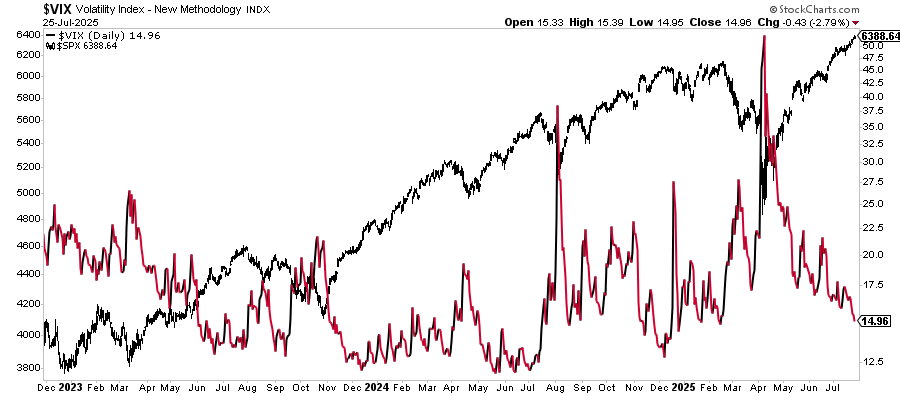
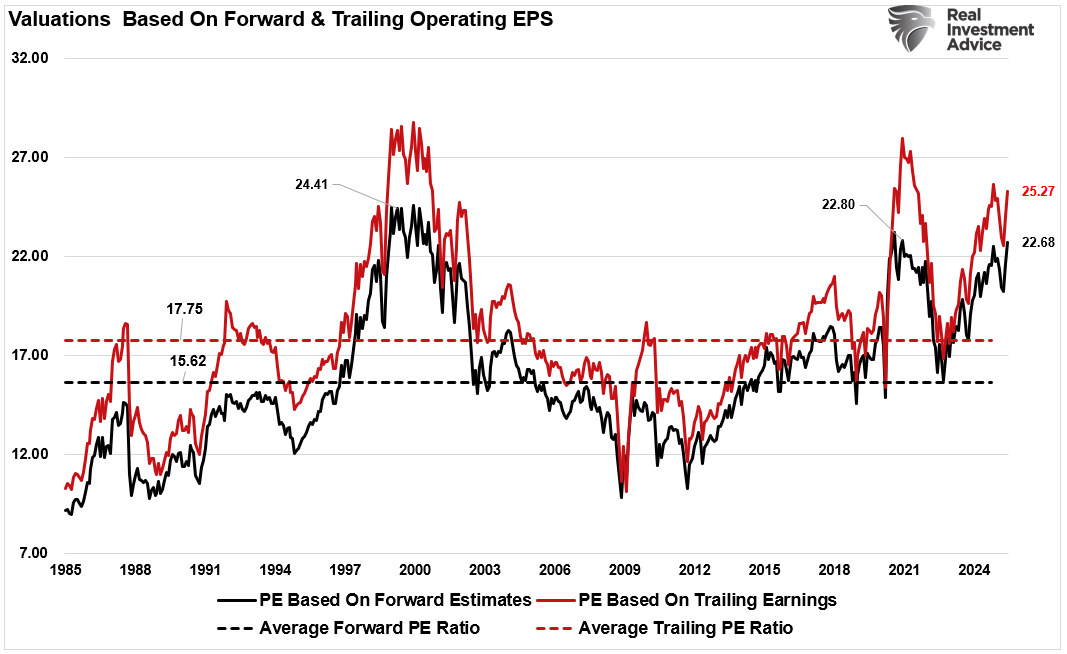
However, this surge in optimism comes with risks. Notably, valuations, while a terrible timing indicator, have surged to previous highs over the last month as prices are increasing faster than earnings. As is always the case, investors often overlook valuations, but valuations tell us much about sentiment and expectations.
Technical Backdrop
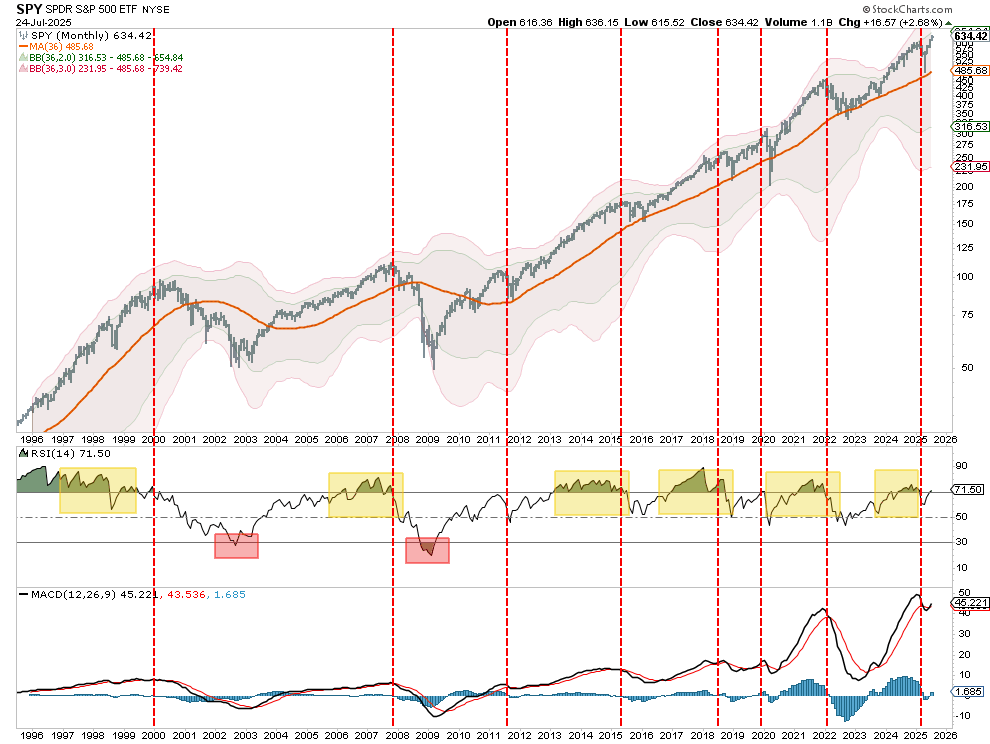
I reviewed some charts yesterday morning, and this one stood out. The ~20% correction in April was the seventh successful retest of the 36-month moving average since the Global Financial Crisis. Each of these tests, 2011, 2016, 2018, 2020, and 2022, has marked a critical turning point where the long-term bullish trend was defended. This consistent behavior suggests that the secular bull market remains intact, with long-term investors still stepping in during major pullbacks.
What’s particularly important is the context in which this retest occurred. April’s drawdown shook investor confidence amid concerns about inflation stickiness and a delayed Fed pivot. But despite macro headwinds, the market found strong technical support, and breadth improved modestly into the summer rally.
The monthly RSI has moved back into overbought territory, currently at 71.5. While not yet at levels that triggered prior major reversals, like in 2021 or early 2018, it does suggest limited upside without a pause or consolidation phase. Meanwhile, the MACD remains in bullish territory but is starting to flatten, indicating waning momentum. That doesn’t mean the bull market is over, but it suggests the ascent rate could slow, especially as sentiment gauges flash complacency and speculative trading (such as 0DTE options and meme stocks) picks up again.
This isn’t a timing tool. Monthly indicators move slowly, but the message is clear: the trend is still up, but risks are building under the surface. Think of it like driving your car. Everything is fine, but the gas gauge is nearing “E.” You can keep going, but you’d better have an exit plan mapped out.
Key Catalysts This Week
As we move into the final trading days of July, several critical catalysts could influence market direction and either reinforce the bullish trend or trigger a near-term reversal. Here’s what investors should be watching closely:
FOMC Policy Statement (Wednesday) – The Fed will release its latest rate decision and policy guidance. While no change is expected, markets will scrutinize Jerome Powell’s tone for clues on future rate cuts. A dovish shift could extend the rally, while hawkish language may rattle sentiment.
Core PCE Inflation Report (Thursday) – This release will be critical as the Fed’s preferred inflation measure. A softer-than-expected number would reinforce disinflation trends and support the case for easing. A hotter print could delay the Fed pivot and pressure high-multiple stocks.
Mega-Cap Tech Earnings – Heavyweights including Apple (NASDAQ:), Amazon (NASDAQ:), and Google (NASDAQ:) will report. With stretched valuations, the bar is high. Strong results could fuel further gains, but any disappointment—particularly in forward guidance—may spark rotation or pullback.
End-of-Month Rebalancing – Institutional portfolio adjustments could introduce volatility, especially with major indexes extended. Expect possible profit-taking or hedging activity as managers lock in gains from July’s rally.
Technical Setup – The S&P 500 is trading well above key moving averages, and RSI remains in overbought territory. That doesn’t mean an immediate reversal, but any negative surprise could trigger a short-term correction.
Overall Risk Outlook: Risk levels remain elevated. While earnings and disinflation are supportive, stretched valuations and technical exhaustion argue for more defensive positioning in the short term.
Retail Data Sends A Warning
The latest retail data on consumer spending showed a better-than-expected increase last month. As Yahoo Finance noted:
“I’m hunting for signs of “consumer rot” to support a view that the stock market has gotten ahead of itself. I haven’t found any, helping to explain why stocks are at records. As goes the US consumer, so goes the economy and the stock market! Or so I was told by my former boss 20 years ago during an office all-nighter.”
While Yahoo may not have found any signs of “rot” with the consumer, it is there if you want to look. The recent retail data showed an increase of 0.6% on a nominal basis, but real, inflation-adjusted retail sales data have remained flat since the stimulus-induced spending frenzy in 2021. Notably, previous periods of stagnant retail sales occurred before or during recessionary periods.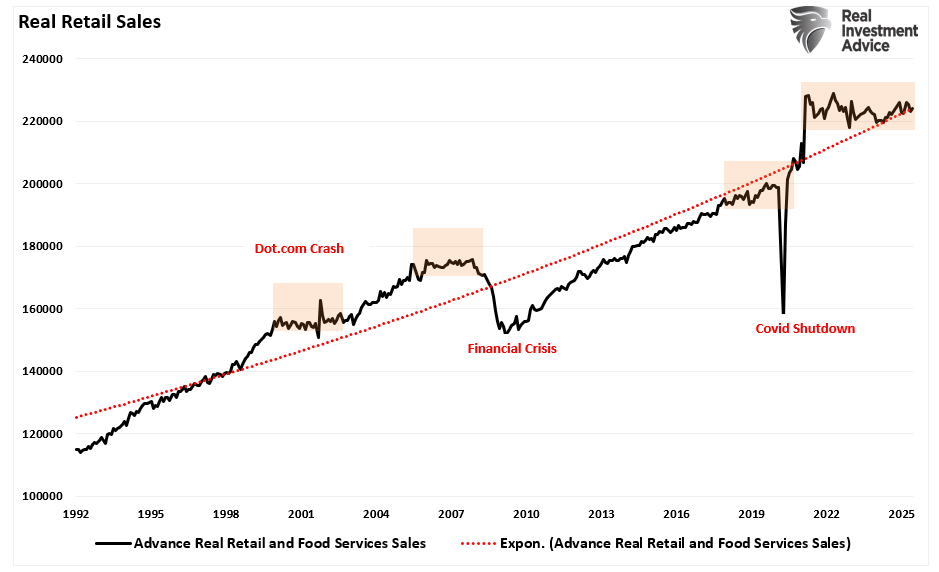
Furthermore, the recent retail data report on a month-over-month change is far from what I would call a “strong report.”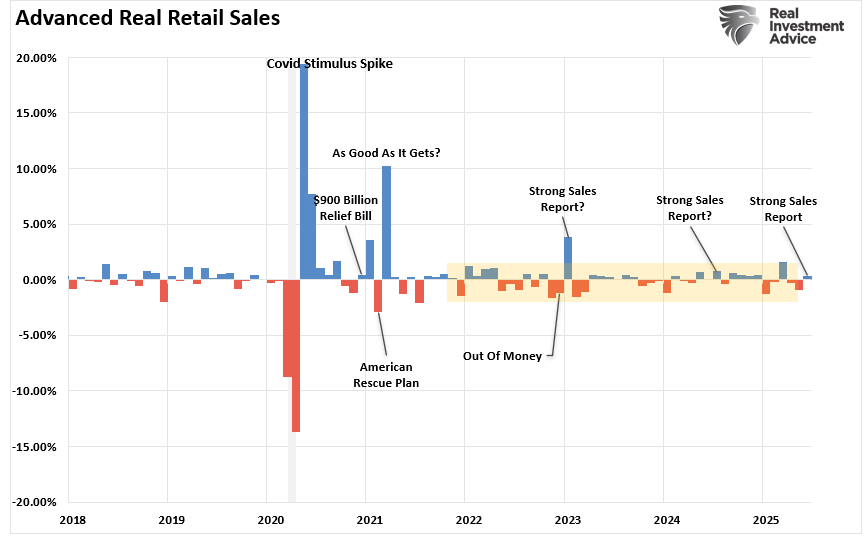
However, the weakening of retail data regarding the market raises concerns, given that corporate earnings come from consumer spending. If you look at an income statement, revenue is the top line, and “earnings” or “net income” is the bottom line.
A company must sell a product or service to customers to generate revenue. The basic diagram below shows a company’s revenue cycle. Therefore, to understand what to expect in terms of future, or forward, earnings with some degree of accuracy, we must understand the direction of consumer spending.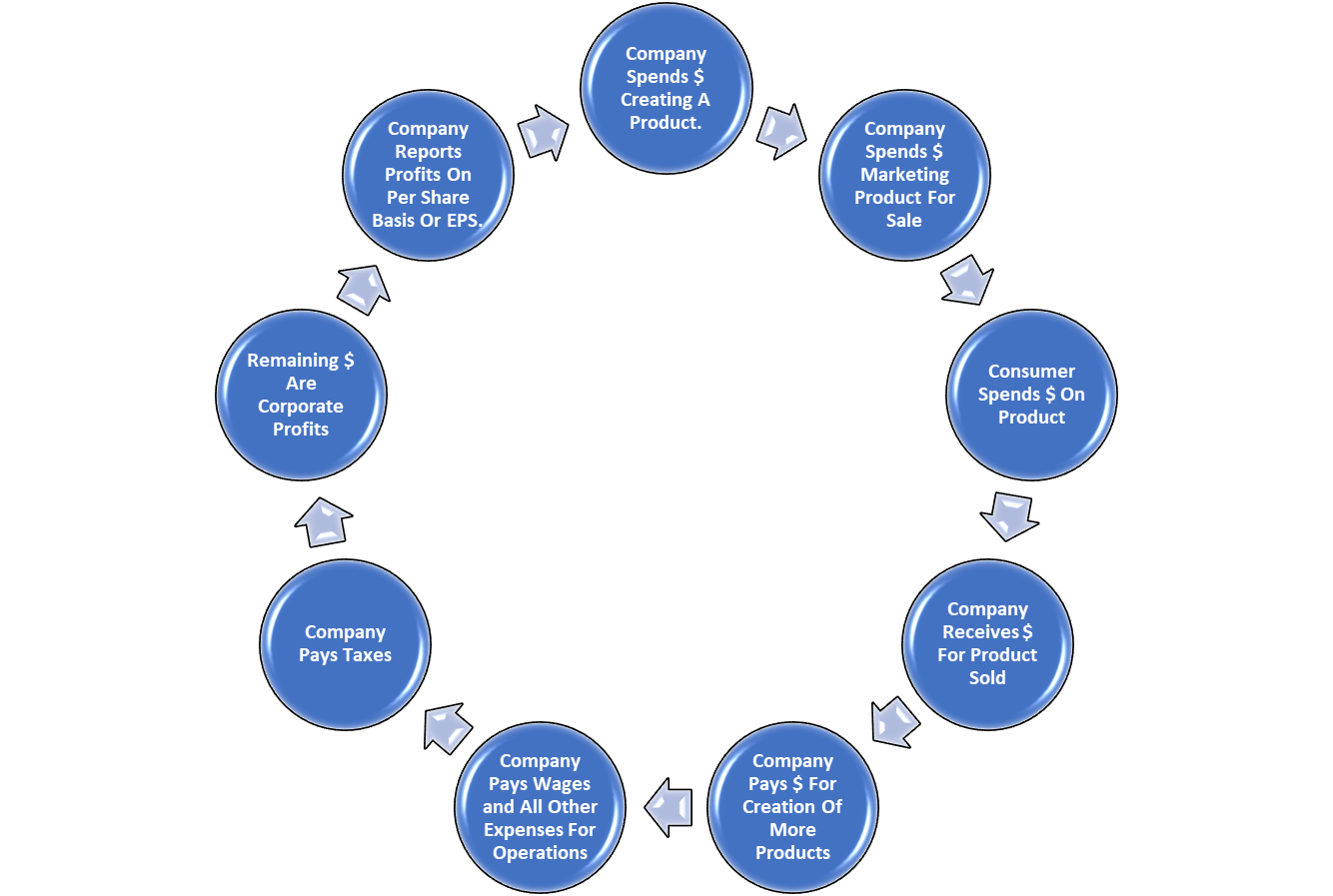
One of the better measures for developing a framework for future earnings growth is (PCE), since they comprise nearly 70% of the economic equation. (Notably, data comprises about 40% of PCE.) The annual percentage change in forward earnings tracks the yearly percentage change in fairly closely.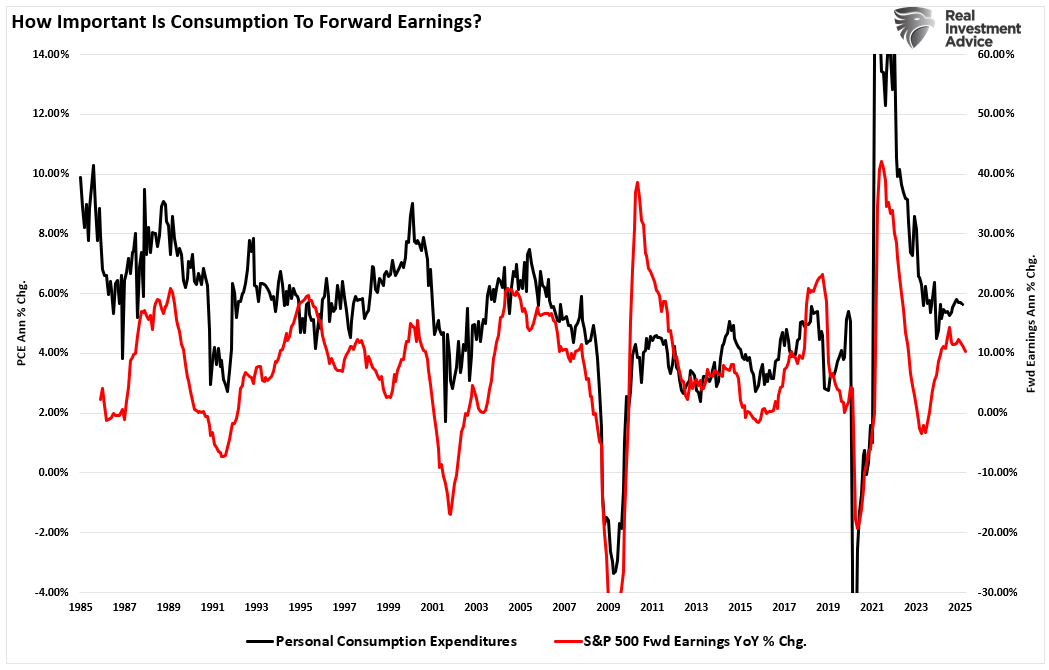
For you “data geeks,” the correlation between the two measures is slightly more than 51%, so the correlation is not insignificant. You will notice that the outliers have mostly been recent anomalies caused by the COVID lockdown and subsequent fiscal and monetary interventions.
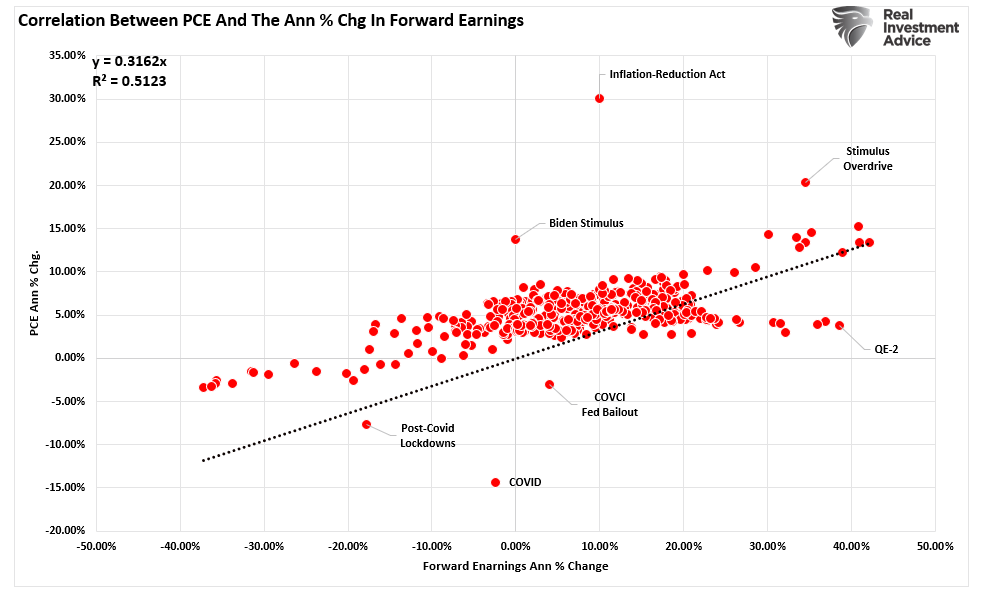
Therefore, while unsurprising, the strength of consumer spending has much to do with the expectation for forward earnings. Given the “rot” in the retail data, a reduction in consumer spending could pose a significant threat to the market.
Ultimately, long-term investment success will depend not on hopeful forecasts but on a clear-eyed understanding of what fuels corporate profitability, and that fuel remains the consumer.
More Signs Of Excess Bullishness
Spencer Jakab wrote an excellent piece for the WSJ this week.
“’The market rallied early this morning for reasons nobody understands and nobody predicted.’ Thus began a brilliant, but fake, Wall Street Journal article courtesy of The Weekly Standard back in 1998. In 2025, something similar could be said about the market’s performance for much of the year.”
The index is up 8.62% YTD and 28% since the April low, one of its fastest advances ever. This is despite the threat of “tariffs,” weaker economic growth, high , stubborn , and a reversal in monetary liquidity.
As Spencer noted, stocks are rallying, but no one understands why.
But therein is why we remain vigilant about the excess speculation levels . Of course, in the middle of a market frenzy, no one wants to hear the words of caution as the “music is still playing and everyone is dancing.”
However, these occasions remind us of our contrarian roots in managing money. Further signs of excess appeared this past week, which are worth sharing with you.
The first came from Goldman Sachs, noting:
“The US Info Tech sector now accounts for ~34% of the S&P 500, as measured by market cap, matching the record weight that the sector enjoyed back in ‘99/’00. In total, the subsector boasts a market cap of ~$18.5trn – this subsector market cap size alone is larger than the entire market cap of every country outside of the U.S. “
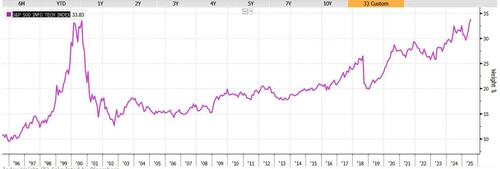
Think about the magnitude of that statement for a moment. More importantly, consider the impact of a reversal in the tech sector, if it should occur, on the rest of the market. Risk and concentration are fine partners during a rising bull market, but will “throw you in front of the train” when the correction begins.
Adding to the concentration issue is the “high beta” chase by retail investors as noted by JP Morgan.
“The latest bout of extreme crowding, currently in the 100th percentile, is in high-beta stocks. This spans both riskier low-value and speculative growth plays. It is also the fastest pace in 30-years.”
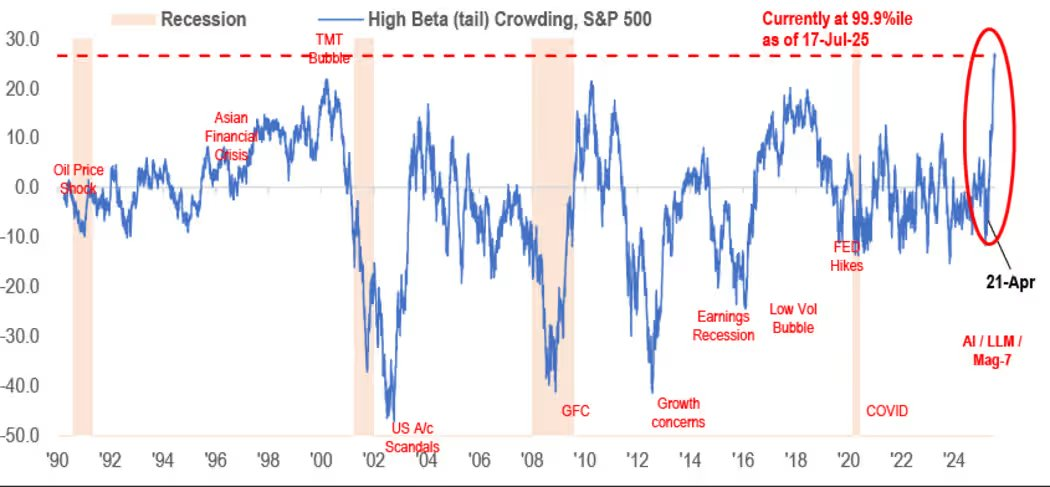
Crowding into high-beta names is part of the “risk-on “ environment. As noted in “” we saw similar investor and media behavior during the MoMo meltup in 2021.
“CNBC is launching a new index focusing on younger people, younger workers, and younger investors. It is called the CNBC Next Generation 50 index. The index will track 50 equal-weighted stocks integral to lives and careers of millennials and those from Generation Z.” – CNBC
Why is that important?
Financial history is littered with the remains of ideas that marked the peaks and troughs of markets over time. From magazine covers to the world’s tallest skyscrapers to new investment products and strategies. Most proved to be the result of the psychology at that time, whether it was excessive bullishness or overwhelming fear.
That article was written on December 13th, 2021, just one month before the market peaked.
Of course, excessive bullish bias is critical to drive markets higher, but “trees can not grow to the sky.” As BTIG’s Jonathan Krinsky noted:
“The has now gone 60 trading days without closing below its 20 DMA, the second-longest streak in its history (back to 1985). The longest was ended in early 1999.”
The previous record lasted for 77 straight sessions and ended in February 1999. During the current streak, the has rallied +23%. By comparison, the Nasdaq gained over 50% during the 1999 record stretch. Meanwhile, the S&P 500 has gone 18 trading sessions without a 1% up or down day, the longest streak since December 2024. Yes, the markets are indeed very bullish.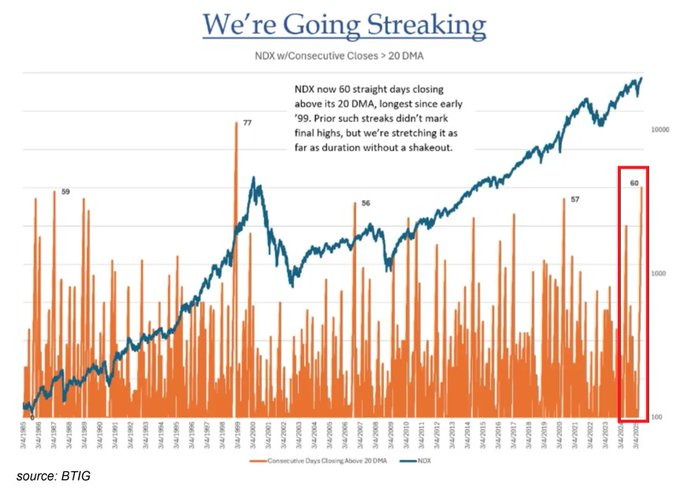
Critically, none of this suggests the market will crash tomorrow. However, it should provide investors with some insight into the current level of exuberance in the market. As is always the case, if “everyone is buying,” you eventually run out of buyers.
Be Careful Where You Are Sitting
The current environment is very much like a crowded theater. Everything is fine until someone yells, “Fire.” At that point, everyone tries to rush towards a very narrow exit. The same holds for the market.
We discussed this point in 2017 in “Rise Of The Robots.”
“At some point, that reversion process will take hold. It is then investor ‘psychology’ will collide with ‘margin debt’ and ETF liquidity.
When the ‘robot trading algorithms’ begin to reverse, it will not be a slow and methodical process but rather a stampede with little regard to price, valuation n or fundamental measures. The exit will become very narrow.
Importantly, as prices decline, it will trigger margin calls, which will induce more indiscriminate selling. The forced redemption cycle will cause catastrophic spreads between the current bid and ask pricing for ETF’s. Such forces investors to dump positions to meet margin calls, the lack of buyers will form a vacuum causing rapid price declines. Such leaves investors helpless on the sidelines watching capital appreciation vanish in moments.”
No one believed me then, and the call was early. But in 2020, someone yelled “fire” in the theatre.
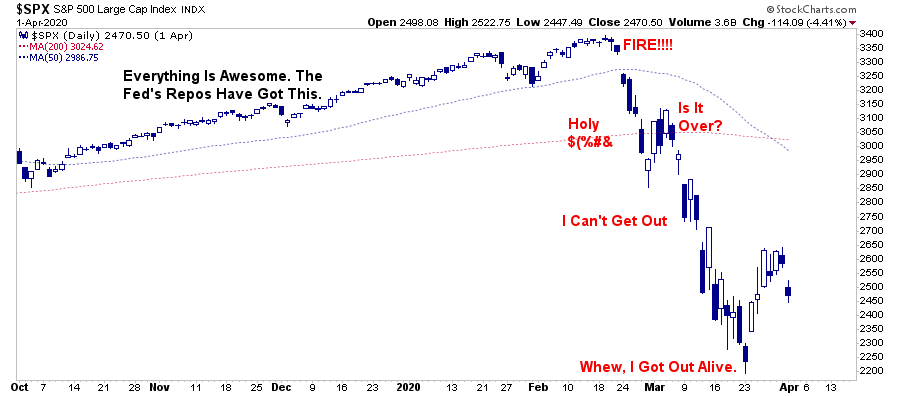
This is why we are sitting closer to the exit.
Retail investors have again crowded into the same theater, believing asset prices can only increase. As we have seen, numerous things could spark a “fire.”
Portfolio Tactics
The return of meme-stock euphoria is a stark reminder that complacency is again gripping markets. Whether it’s zero-day options, surging penny stocks, or speculative AI plays with no earnings, the current environment mirrors the excessive risk-taking seen in early 2021. Retail investors are chasing high-beta trades, while volatility remains suppressed and equity indices hover near all-time highs. This combination creates a seductive but dangerous backdrop for capital deployment.
The key is participation with discipline.
Here’s how to engage without overexposing your portfolio to unnecessary risk:
Maintain a Quality Core: Anchor your portfolio with high-conviction positions in companies with strong balance sheets, consistent free cash flow, and durable earnings. These names will hold up best when sentiment shifts.
Limit Speculative Exposure: Allocate no more than 5–10% of your portfolio to high-beta or momentum-driven trades. Think of this as your “tactical sleeve,” not your investment foundation.
Use Options Strategically: Deploy covered calls on overbought positions to harvest premium, and consider protective put spreads on indices like SPY or QQQ to buffer against sudden drawdowns.
Tighten Risk Controls: Reassess trailing stops or profit targets on positions that have run sharply higher. Locking in gains is not market timing — it’s risk management.
Raise Tactical Cash: A 10–20% cash position provides flexibility for better entry points when volatility inevitably returns. Dry powder is a strategy, not a missed opportunity.
Monitor Sentiment Extremes: Use positioning data, put/call ratios, and VIX term structure to gauge crowd behavior. When speculation reaches a fever pitch, it often pays to do less, not more.
Don’t Chase, Rebalance: If specific sectors have dramatically outperformed (like AI or micro-cap tech), use strength to trim and rebalance into more reasonable valuations and stable growth.
The goal here isn’t to avoid the party — it’s to ensure you’re near the exit when the music stops.
Trade accordingly.
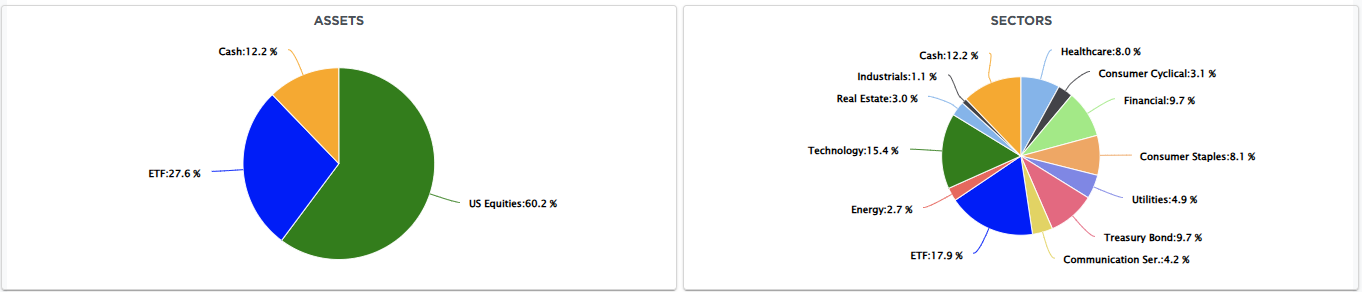
Market Statistics & Analysis
Weekly technical overview across key sectors, risk indicators, and market internals
Market & Sector X-Ray: Overbought
The market rallied every day this past week, pushing most of the market sectors back into very overbought territory. As noted in the relative performance section below and confirmed in this analysis, Technology, Industrials, and the index are now flashing short-term warnings. Take profits and raise cash levels in portfolios to hedge for what could be a more sloppy August.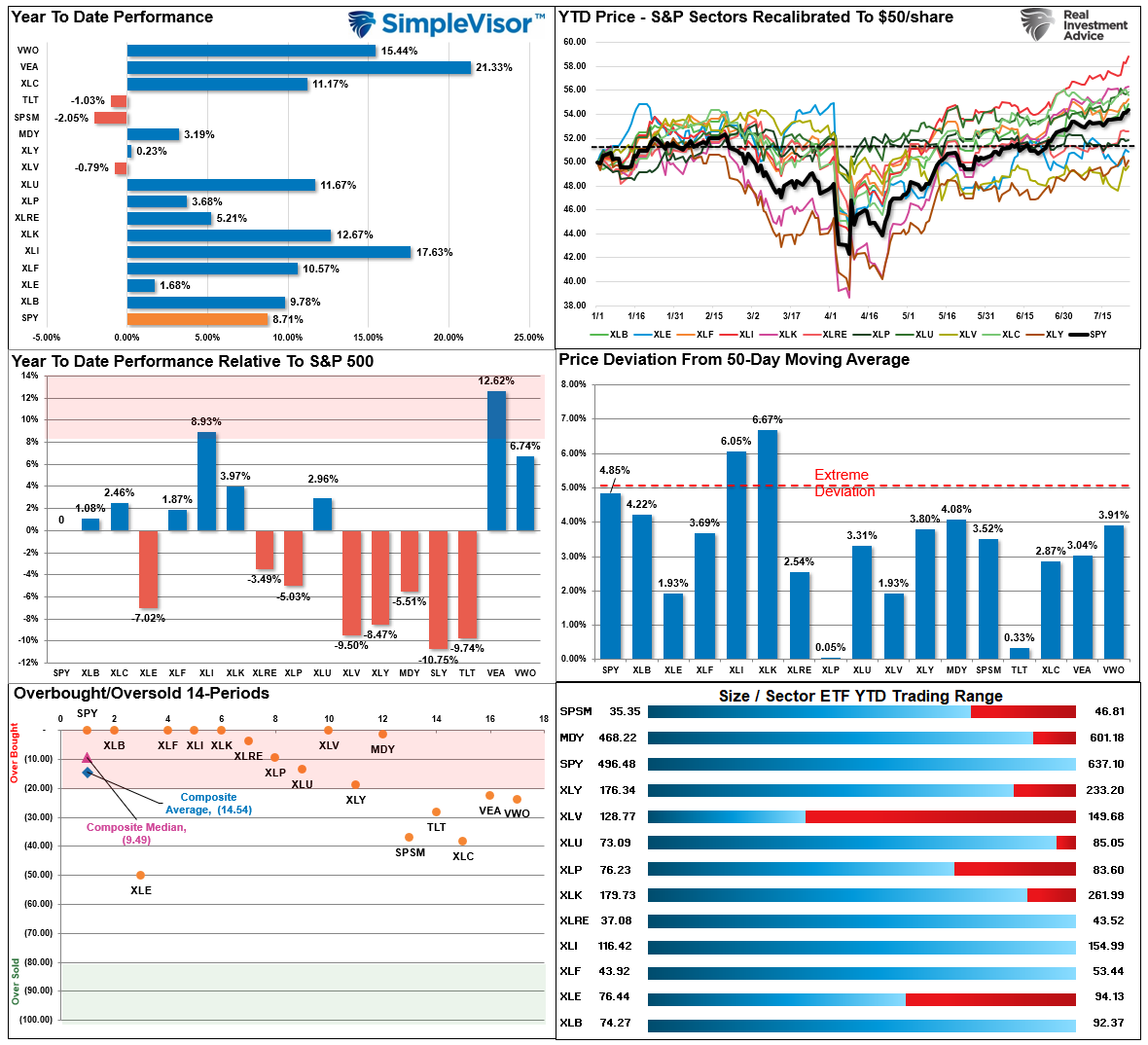
Technical Composite: 92.40 – Very Overbought, Risk Rising
Markets are pushing into more overbought territory, and pullbacks to support are likely.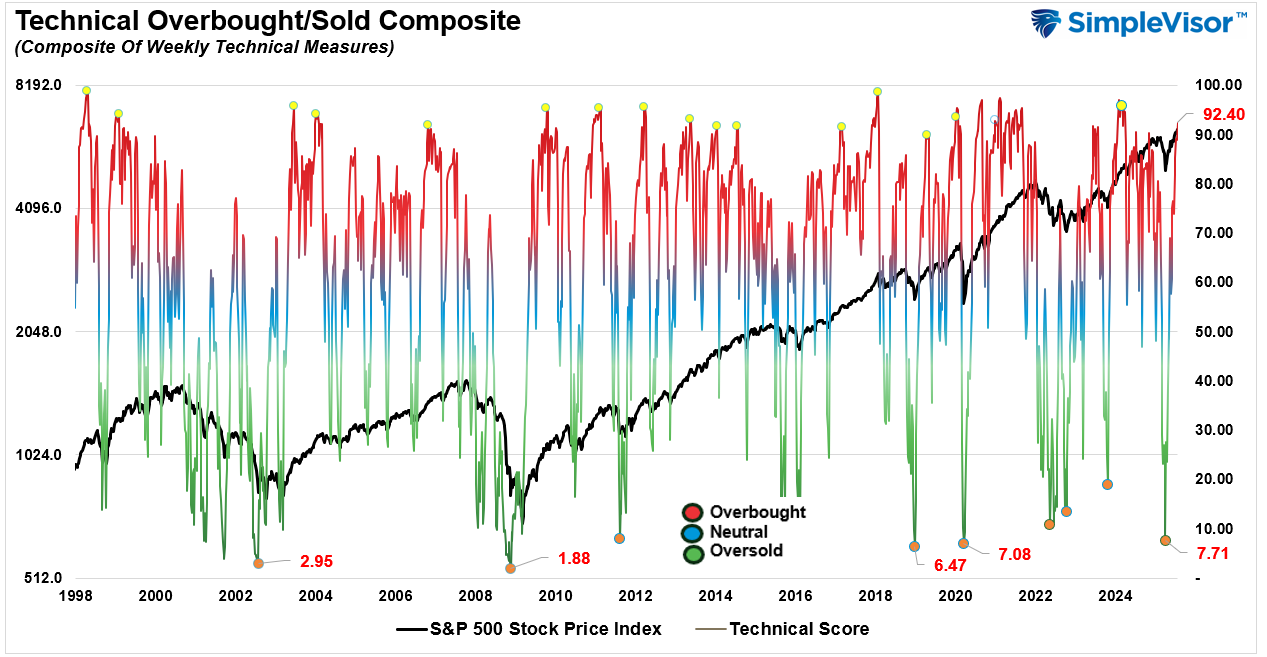
Fear/Greed Index: 76.40 – Greed
Despite the market rally, investor psychology and risk appetite pulled back slightly this week but remain in greed territory. The negative divergence (market rising, as positioning declines) suggests that buyers are retreating, which is a decent setup for a short-term correction. Take profits. 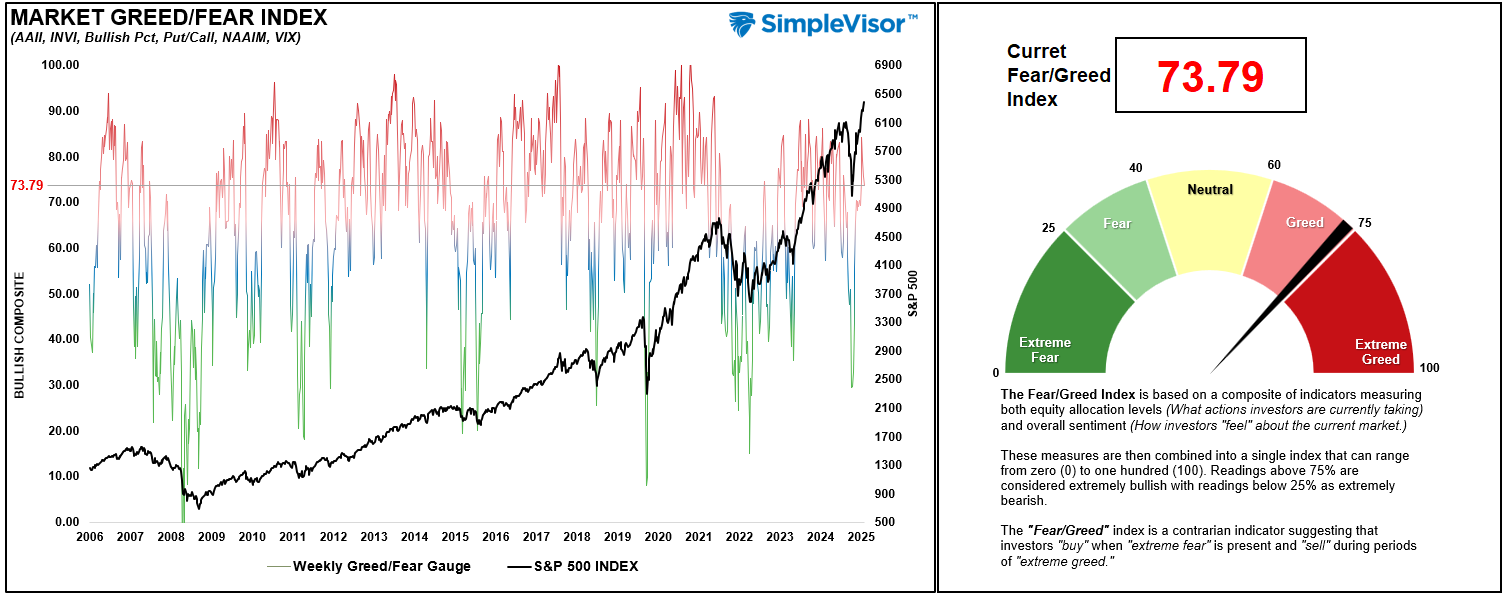
Relative Sector Performance
Energy, Staples, and Discretionary underperformed the most this week as investors continued to chase Transports, Industrials, and Technology. With the leaders in more extreme overbought territory, the setup for a rotation into defensive positioning is building.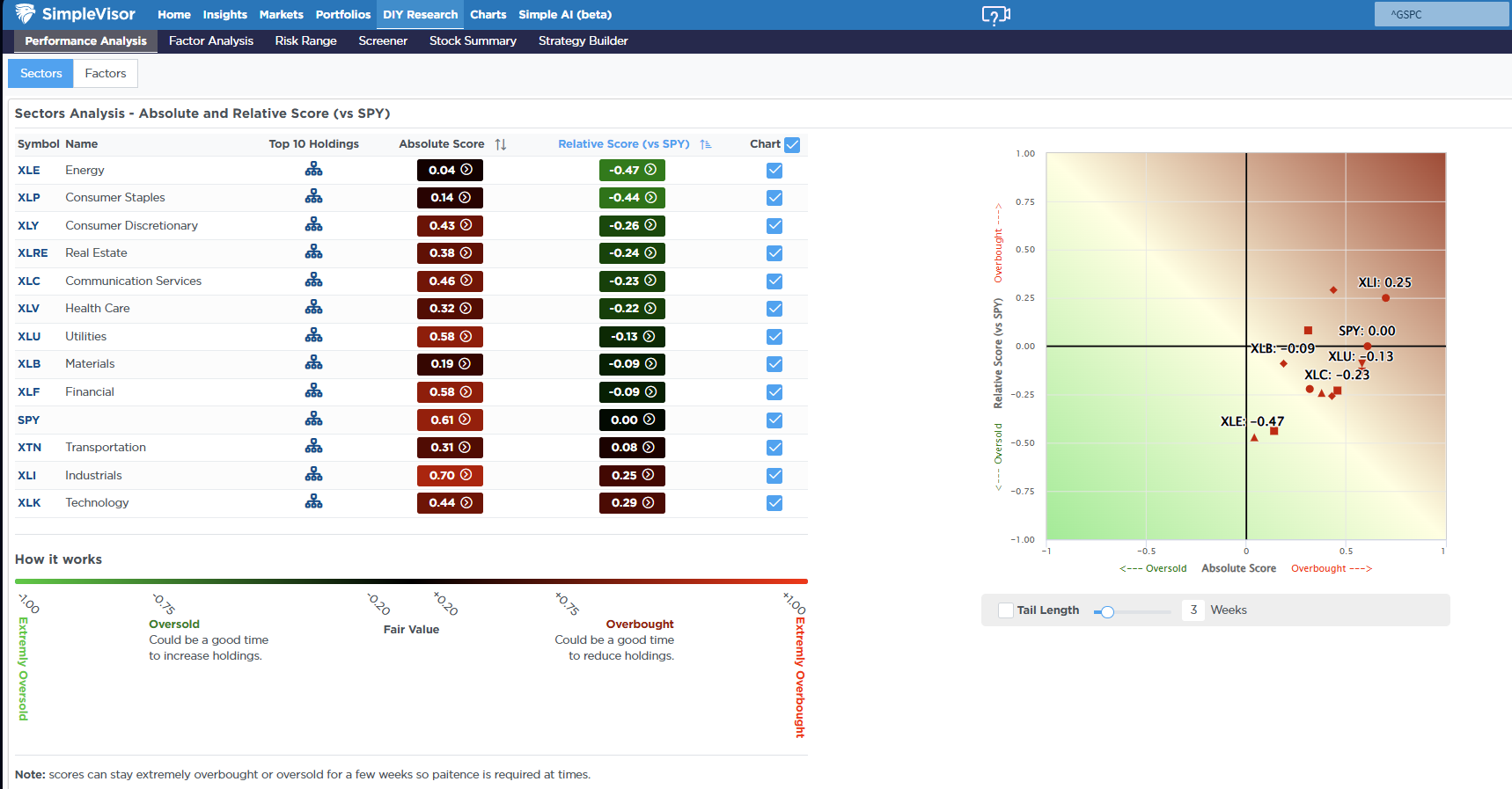
Most Oversold Sectors
Energy is currently the market’s most oversold sector, which could catch inflows from a risk-off rotation. Kinder Morgan (NYSE:), EOG Resources (NYSE:), and Exxon Mobil (NYSE:) are the most oversold in the group, while ConocoPhillips (NYSE:) and Chevron (NYSE:) are trading close to fair value.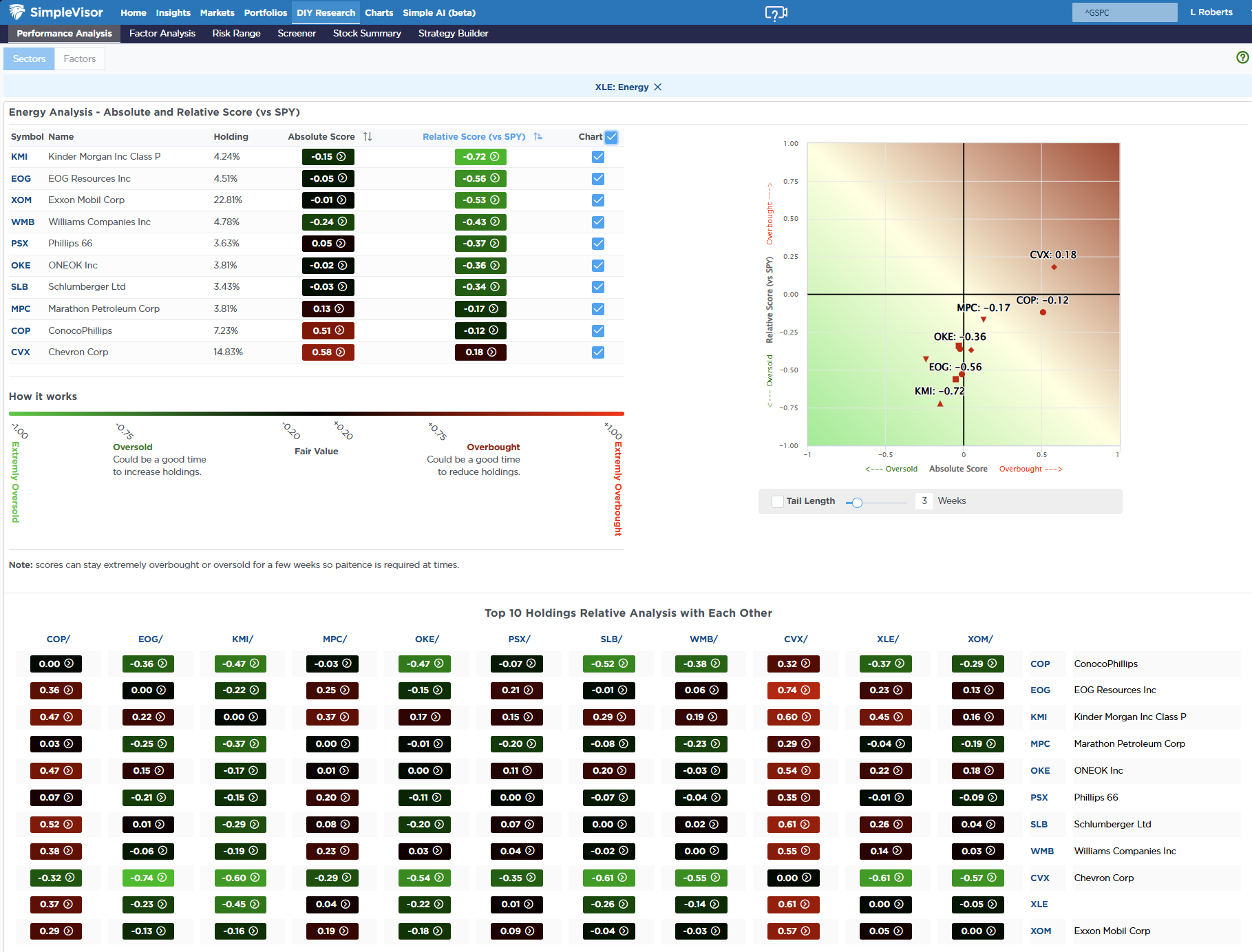
Sector Model & Risk Ranges
Over the last week, the bullish market action reversed more of the bearish weekly moving average crossovers, increasing the number of bullish signals to 17 from 15. The good news is that continued technical improvement is reducing the risk of a more severe market correction in the months ahead, as the technical structure of the market improves.
However, with that stated, the risk of a 5% pullback to reverse the short-term overbought conditions is increasing. The S&P index, materials, industrials, utilities, transportation, mid-caps, and gold miners are trading well above their monthly risk ranges, suggesting investors should take some profits.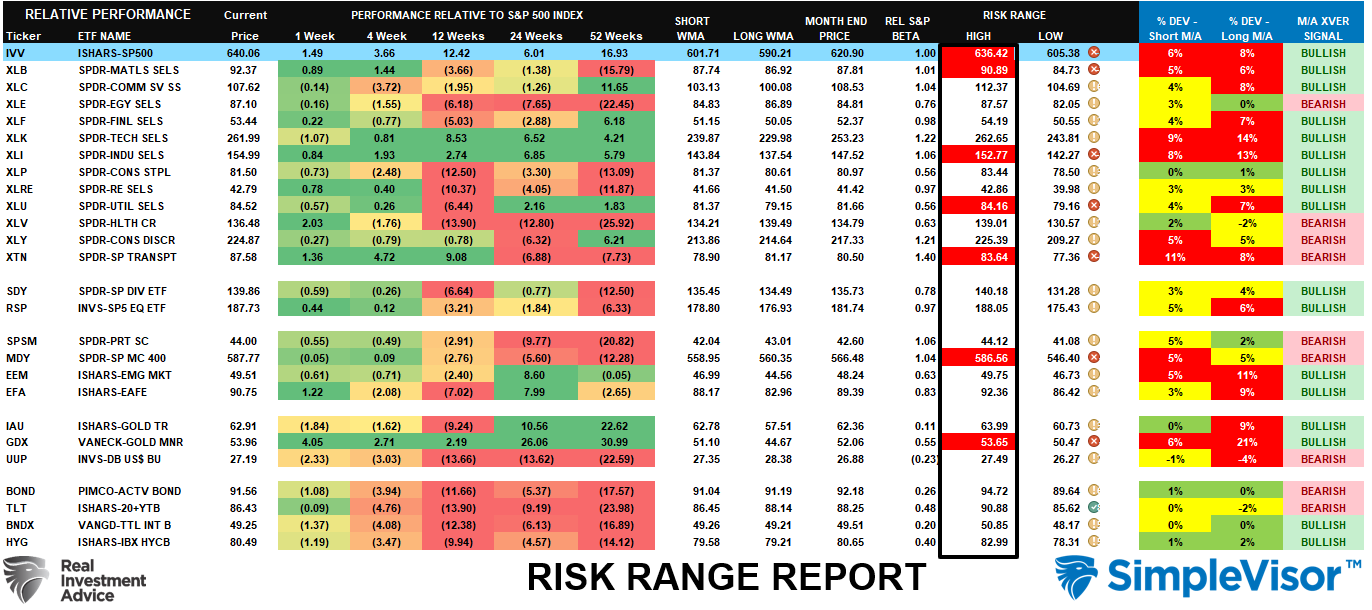
Watch & Listen
In this video, Lance Roberts discusses how margin debt and overbought conditions are the ingredients for a correction, but the catalyst is what is missing.