Christmas remains pivotal in the UK seasonal retail calendar, but evolving consumer gifting behaviour is reshaping how and when shoppers buy. While overall spending has remained stable, trends in Christmas gift buying tracked by Mintel highlight a shift towards later purchasing, demand for more distinctive gifts, and growing interest in curated and personalised shopping experiences.
Our newly published UK Christmas Gift Buying Market Report is an essential resource for retailers hoping to capture festive spending in 2026. Continue reading below to get a sneak peek into seasonal retail trends and consumer gifting behaviour as you start planning for Christmas 2026.
Tiered Pricing Offers Opportunities in Seasonal Retail 2026
Christmas gift spending in 2025 remained stable overall. Average spending increased slightly compared to 2024, with most of the market’s value being driven by higher earners. Although their spending declined slightly by 1.7% year on year, they remain the biggest spenders during the festive period. This group is also more likely to participate in Secret Santa schemes, with 43% taking part compared to 32% on average, highlighting a growing trend towards buying fewer, smaller gifts. However, lower-income households are showing signs of resilience. Households earning under £15,500 increased their spending by almost 5% year on year, despite spending far less overall.
For retailers, this divergence creates opportunities across price tiers. Premium gifts will continue to resonate with higher earners, while curated bundles and budget-friendly add-ons can encourage lower-income shoppers to expand their gift baskets without increasing perceived cost.
Black Friday Continues to Impact Consumer Gifting Behaviour
Another defining seasonal retail trend is the shift towards later Christmas shopping. 34% of Brits now buy Christmas gifts in November and 26% in December, creating an increasingly compressed peak trading window. Many shoppers are delaying purchases because they expect strong promotions during Black Friday or December discount events. In fact, over 70% of UK Black Friday shoppers purchased Christmas gifts during the promotions in 2025, highlighting the growing overlap between Black Friday and Christmas shopping.
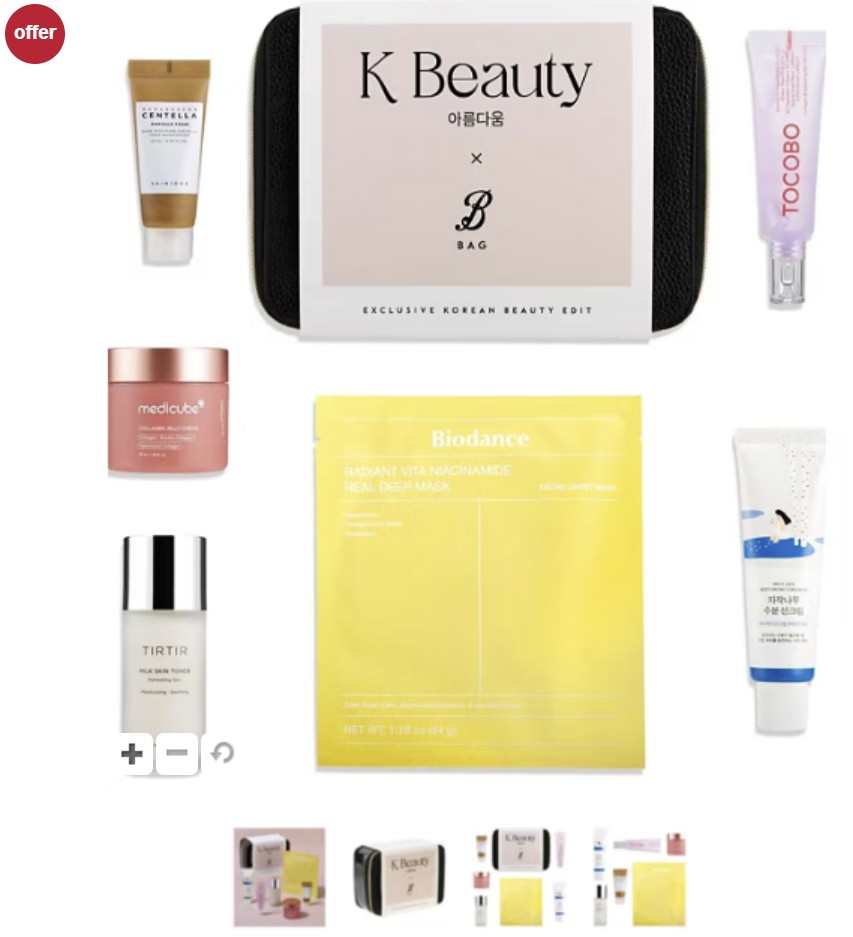
This intensifies competition during the final weeks of the season. Retailers cannot rely solely on discounts to capture attention but must also create compelling moments that stand out within an already crowded promotional calendar. Some retailers are already responding effectively. Boots, for example, kept shoppers engaged throughout the season by releasing exclusive “Beauty Icon” gift sets each week, giving customers repeated reasons to return and helping maintain excitement beyond a single promotional event.
Trending Christmas Gifts and Buying Behaviour
As consumer gifting behaviour evolves, retailers must look beyond price-led promotions to capture attention during the festive season. The following strategies highlight how brands can meet a growing demand for distinctive gifts, stronger experiences and more engaging ways to discover products.
This Christmas, go beyond bargains
While promotions are a key factor in consumer gifting behaviour, our analysis shows that shoppers are increasingly focused on quality, originality, and convenience when choosing gifts.
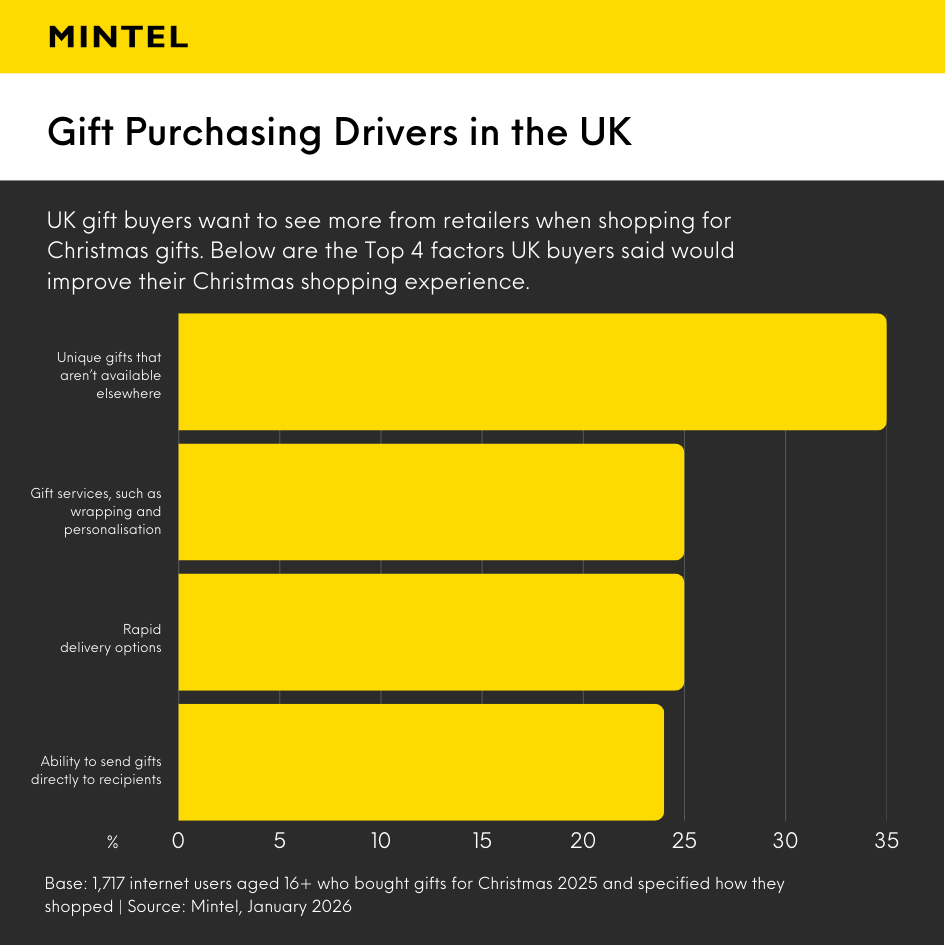
There is also growing interest in more thoughtful and differentiated product ranges. Over half of shoppers in the UK say they would buy from local or small businesses if those products were clearly signposted, while others would consider second-hand gifts if they came in attractive packaging. These findings reflect a broader shift in seasonal retail: Consumers aren’t simply searching for trending Christmas gifts, but for gifts that feel meaningful and distinctive, and that are convenient to purchase.

Use licensed collaborations to make your brand stand out
As demand for unique gifts grows, licensed collaborations offer retailers a scalable way to create standout products without developing entirely new ranges.
Retail tie-ins connected to cultural moments performed particularly well in 2025. Partnerships linked to franchises such as Stranger Things, Wicked, and other major entertainment launches generated strong engagement and gift appeal.
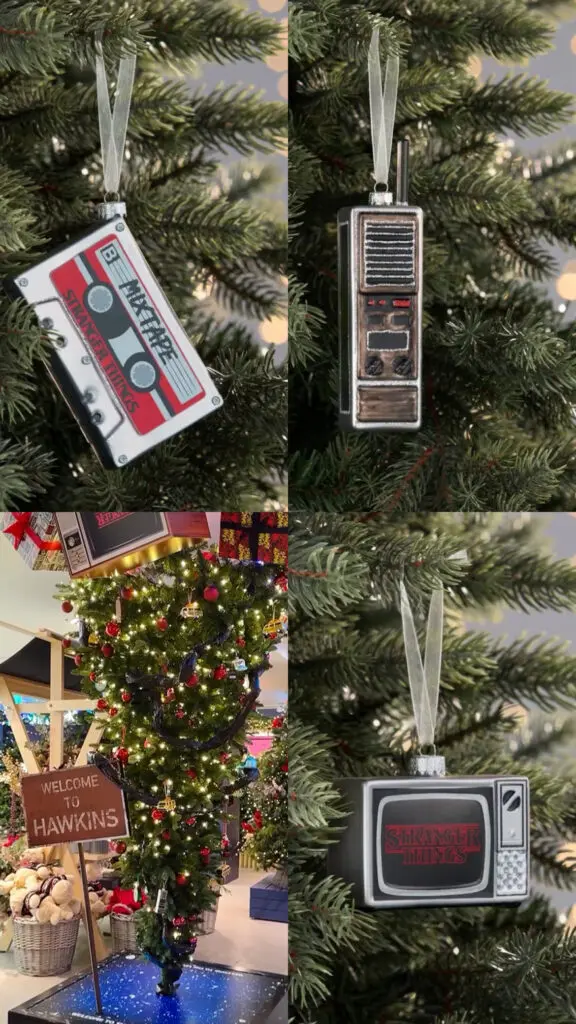

Luxury retailer Selfridges demonstrated this strategy successfully with its Disney collaboration for Christmas 2025, which featured collectible seasonal builds, nostalgic character motifs, and limited-edition ornaments. These types of collaborations tap directly into the emotional and nostalgic appeal that often drives festive purchasing decisions.
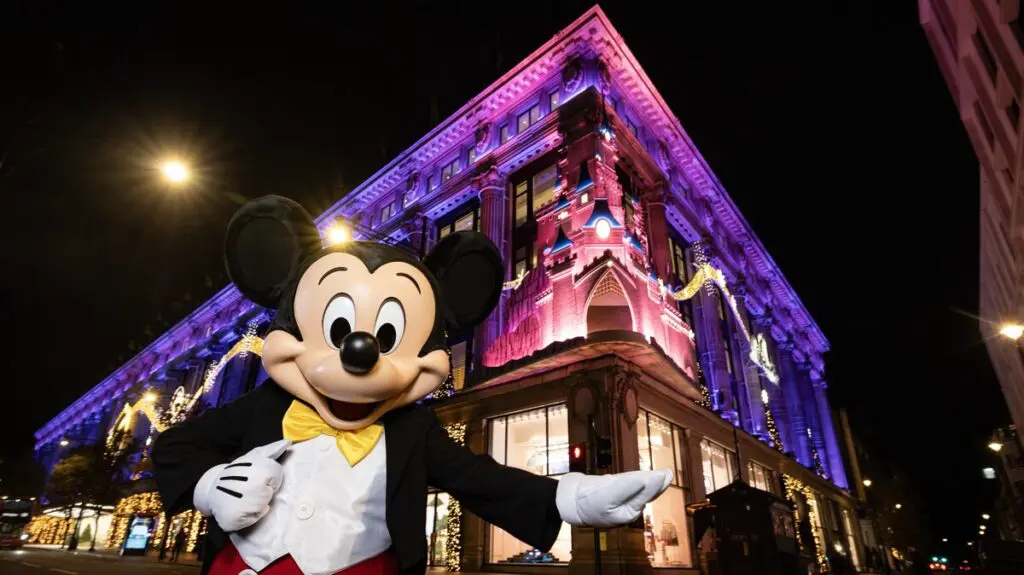

By combining familiarity with exclusivity, licensed collections can transform trending Christmas gifts into memorable keepsakes.
Social commerce and livestreaming open doors for smaller brands
Social media is also playing an increasing role in how consumers discover festive products. Over one fifth of gift buyers state they get inspiration from social media, which creates opportunities for smaller brands to gain visibility during the festive season.
Livestream shopping in particular offers a powerful format for independent retailers. Hosting live sessions before Christmas allows brands to demonstrate products, answer questions, and build anticipation for festive ranges in real time.
This approach also supports a broader community-driven retail model. Beauty brand P.Louise, for example, has successfully translated its online community into a flagship retail concept inspired by audience engagement and feedback with plans to soon open their first physical store in Manchester.
Mintel’s Key Takeaway: For smaller retailers and independent makers, livestream commerce could become an important route to visibility in Christmas 2026, particularly as consumers increasingly seek unique gifts and locally made products.
The Influence of AI on Consumer Gifting Behaviour Is Set to Grow
Artificial intelligence is another emerging influence on trends in Christmas gift buying. Currently, under 10% of gift buyers use AI tools for Christmas gift inspiration, but adoption is expected to grow, particularly among younger consumers who are already comfortable using platforms such as ChatGPT and Gemini for recommendations.
However, current AI searches often produce generic results, leaving a gap between automated suggestions and consumers’ desire for distinctive gifts. Retailers have an opportunity to bridge this gap by developing their own AI-powered tools that elevate smaller brands, independent makers, and limited-run products. By combining consumer search queries with personalisation features, retailers could generate bespoke gift bundles, curated sets or configurable products that feel tailored to individual recipients. This could elevate AI from a basic recommendation tool into a more sophisticated gifting discovery engine.
Plan Ahead for Seasonal Retail 2026 with Mintel
As seasonal retail continues to evolve, the Christmas shopping season is becoming shorter, more competitive, and more experience-driven.
While spending remains stable, the real shifts lie in
when consumers buy,
how they discover products,
and what they expect from the gifting experience.
Later shopping, stronger promotional competition, and growing demand for distinctive products are redefining the festive retail landscape.
For retailers preparing for Christmas 2026, success will depend on balancing value with inspiration, offering competitive pricing while also delivering the unique, personalised, and memorable gifts that modern shoppers increasingly expect.
For a 360° view of consumer gifting behaviour and seasonal retail in the UK, including unique insight from our retail expert Emily Viberg, get your copy of our UK Christmas Gift Buying Market Report 2026.

Sign up for free to Mintel Spotlight for the latest articles and thought leadership pieces for fresh insights from industry experts. Or browse Mintel Store for all our Retail Market Research.
Subscribe to Spotlight