Recent hostilities in the Middle East have negatively impacted the global economy. Despite Iran’s announcement of a two-week ceasefire, significant uncertainty persists.
The announcement came less than two hours before the 8:00 p.m. deadline, announced by U.S. President Donald Trump, which investors had closely watched as a potential trigger for major escalation.
Undoubtedly, Trump had previously threatened devastating strikes against Iran, earlier stating that “a whole civilization will die tonight” if his conditions for peace were not met. He had touted planned strikes against Iran’s energy infrastructures and bridges.
However, his sudden U-turn opens up different ways to map his changing stances, which can elevate indecisiveness among investors.
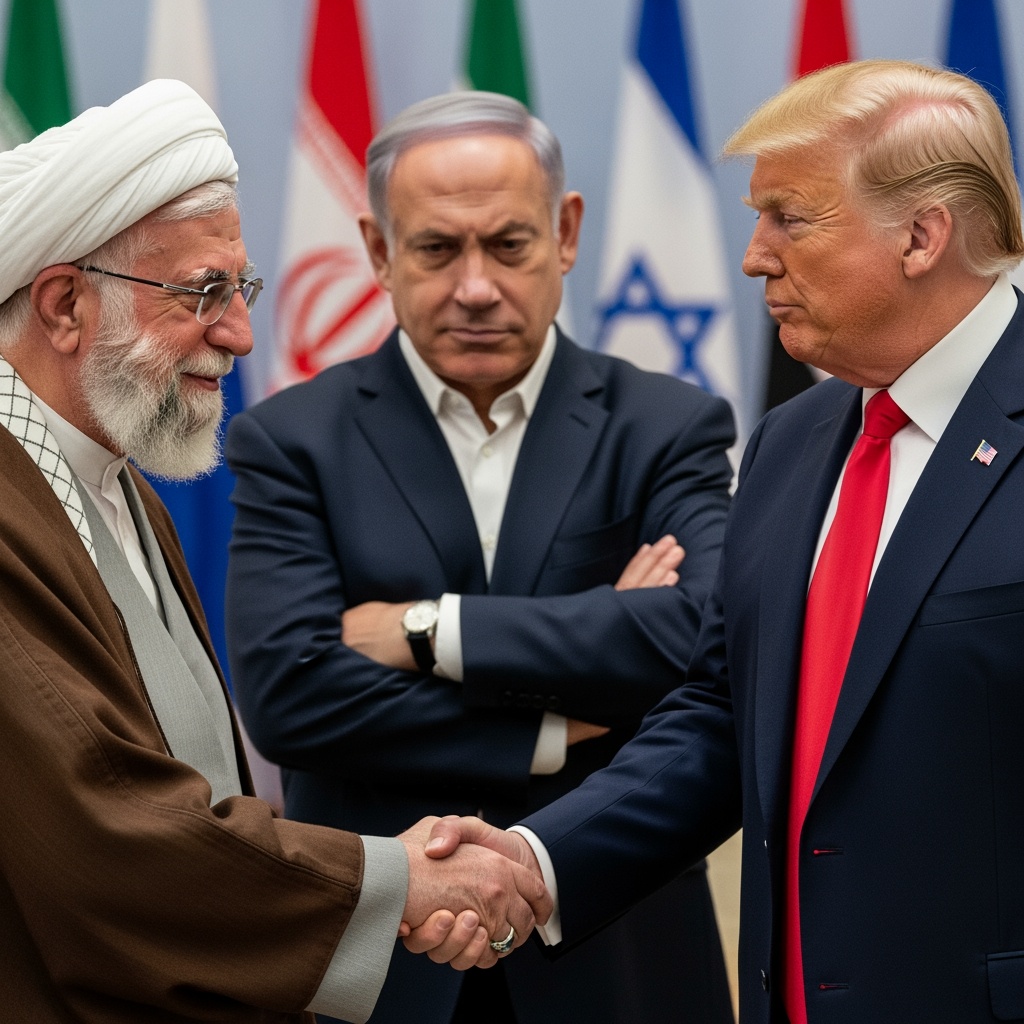
On Tuesday evening, Donald Trump said that he will suspend planned military strikes against Iran for two weeks, with Tehran signaling it was open to a conditional ceasefire.
Trump said the move came after conversations with Pakistani Prime Minister Shehbaz Sharif and Field Marshal Asim Munir, and that the suspension is contingent on Iran’s “complete, immediate and safe opening of the Strait of Hormuz.”
Iran’s Foreign Minister, Sayed Aragchi, said in a statement that Washington had accepted the general framework of a 10-point proposal, and that Tehran will cease its “defensive operations” if attacks against the country are halted.
Aragchi also said safe passage through the Strait of Hormuz “will be possible.” Separately, Trump said the U.S. will aid in reopening the channel.
I observed that this easing news resulted in reactionary moves by the markets as S&P futures rallied over 2% in after-hours trading, slid nearly 13% to $86.21 per barrel, and moved up to 8.40%, before closing the day with gains of only 5.21% at $4,680.
Though, Trump’s move jolted the directional moves by the markets in the opposite direction while still looking temporary, as his partner in the 38-day tussle with Iran, Israeli Prime Minister Netanyahu, might disrupt this silence any time, as he has experienced a vast devastation in Israel since the beginning of his air strikes over Iran.
If the positive outlook from Tuesday changes unexpectedly this week, renewed actions by Israeli Prime Minister Netanyahu, despite U.S. assurances, could quickly worsen global economic stability due to heightened investor skepticism.
However, while some central banks were selling in March, as the gold futures had tested a low at $4,125.87 on March 23rd, China’s central bank extended its gold accumulation streak to 17 consecutive months in March, adding 160,000 fine troy ounces to bring total reserves to 74.38 million fine troy ounces.
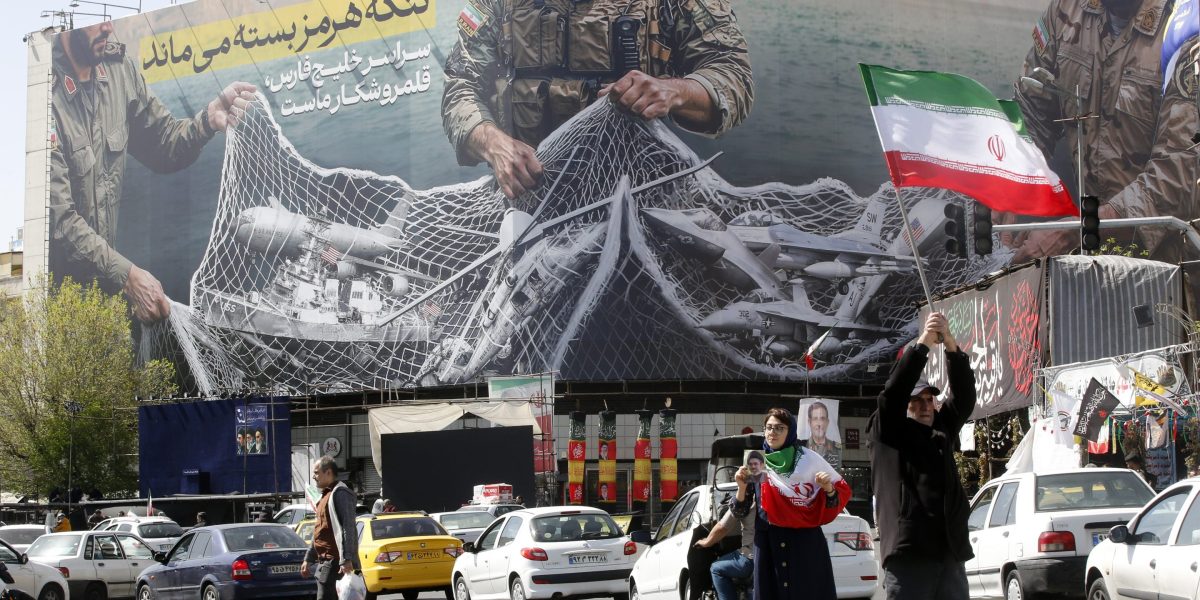
I conclude that the ongoing disruption to global energy supplies caused by Iran’s choking of the Strait of Hormuz surpasses any previous crises in history, including the oil shocks of the 1970s.
I find that if de-escalation efforts fail, prolonged Middle East conflict could make it difficult for the global central banks to intercept the war-borne economic missiles, which will continue to damage the global economy for years to come.
Undoubtedly, damage caused by the nations which are not even parties in this tussle between the U.S. – Israel with Iran, have experienced devastating impact over their economies due to stagnant growth, and elevated inflation, could compel some central banks to occasionally show selling during any month and there are several reasons for this – from saving devaluating currencies to combating energy crises led inflation.
Gold futures, after starting the day at $4,860.65, tested the day’s high at $4,886, and the day’s low at $4,817.80, are trading at $4,839.50, indicating extensive selling pressure, despite holding above the 50 EMA ($4,803) on the daily chart, could find a breakdown below this immediate support.
In case of a breakdown, it will push the futures to test the next supports at the 20 EMA ($4,763) and 9 EMA ($4,735), as both of them have already been trading below the 50 EMA, forming a “Bearish Crossover”.
Disclaimer: Readers are advised to take any position in gold at their own risk, as this analysis is based only on observations.