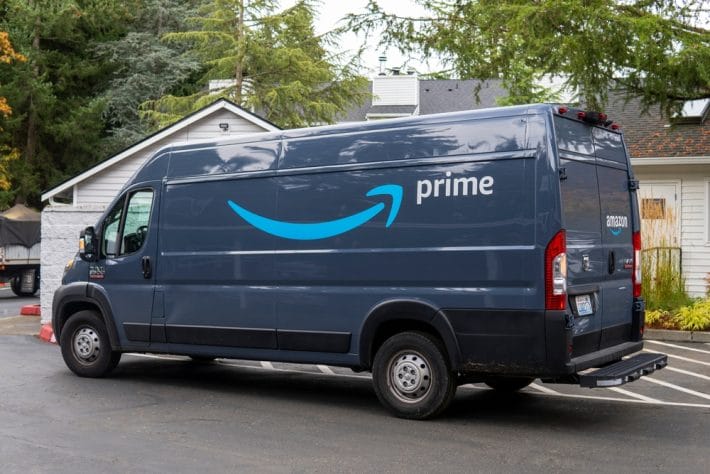
Convenience is no longer a nice-to-have, but a core value exchange between brands and consumers. Today’s consumers are often operating under time-sensitive schedules and are feeling mentally overloaded. In this environment, convenience is less about novelty and more about relief. It is defined by the reduction of friction, effort, and decision fatigue, and is now shaping expectations across categories and redefining what meaningful value looks like.
This shift is increasingly visible in product development and retail strategy. The growing penetration of convenience over recent years underscores how central convenience-led brand strategies have become. Claims around ease of use continue to dominate, signalling that tech-enabled convenience and seamless consumer experiences are becoming a baseline requirement rather than differentiators.

At the same time, convenience for consumers across markets is multifaceted. It is shaped by individual lifestyles, generational needs, and evolving expectations around how products fit into daily routines. From convenient retail formats and packaging that simplify storage and preparation, to convenience in household care that quietly reduces cognitive load, brands are being challenged to rethink how and where they add value.
Winning Time for the Convenient Consumer
For today’s convenient consumer, value lies in streamlined shopping, faster preparation, and effortless consumption through fewer steps, fewer decisions, and faster access to what is needed in the moment. Time-saving solutions are especially relevant as consumers juggle work, life at home, and social commitments in increasingly fragmented routines.
Across categories, consumers gravitate towards products and services that reduce effort and compress everyday tasks. Quick delivery, easy-to-use formats, and frictionless checkout experiences are no longer perceived as added benefits, but as expected features of convenient retail. In parallel, multi-functional and all-in-one solutions are gaining traction by allowing consumers to meet several needs at once, reducing both time spent and the mental effort associated with planning and decision-making. From probiotic cleaners designed to work over multiple days to convenience stores that combine food, household essentials, and even workspaces, convenience-led brand strategies increasingly prioritise efficiency through consolidation.
How convenience-focused innovation is redefining at-home eating
Food and drink remains one of the most visible categories for convenience-focused innovation. Ready-to-eat meals, meal kits, and products carrying ease of use or microwaveable claims play a central role in helping busy consumers save time on meal preparation. In Germany, time-saving is the primary motivation for 60% of convenience food and drink users, with single-person households and out-of-home workers particularly likely to rely on these options.
Beyond product formats, rapid delivery services and modular meal solutions are reshaping how consumers approach everyday cooking. Grocery and meal delivery services promising fulfilment in as little as 10 minutes appeal strongly to younger and urban consumers, while versatile products that can be quickly assembled into meals reduce time spent in the kitchen. Importantly, while convenient on-the-go solutions continue to be important, convenience is increasingly centred on the home rather than on-the-go occasions, as consumers seek solutions that simplify cooking and eating within domestic routines, supported by meal kits, delivery apps, and digital recipe platforms.


The future of consumer convenience beyond the kitchen
In beauty and personal care, convenience is closely tied to access and immediacy. In the UK, nearly a third of online beauty buyers have used rapid delivery services, particularly younger shoppers and men, who rely on these options for last-minute needs for travel or events.
In healthcare, digital prescription platforms and wearable devices are improving efficiency by simplifying medication management and refills. These tools are particularly valuable for older consumers, for whom reminders and automation help reduce both time investment and cognitive strain. Across categories, convenience increasingly extends beyond speed alone, supporting smoother, more manageable daily routines.
Seamlessness Consumer Experiences Across Retail
While speed remains important, convenience is increasingly about how seamlessly consumers can move across retail touchpoints. Shoppers want to browse, purchase, and access support fluidly across physical and digital channels. Services such as click-and-collect, mobile shopping apps, and rapid delivery enable consumers to switch between online and offline environments without friction.
In-store convenience continues to play a vital role, particularly for essential purchases. Products such as toiletries are often bought in-store to meet immediate needs, with consumers favouring quick drop-ins alongside grocery shopping. At the same time, online supermarkets and discount retailers support bulk buying and flexible delivery, allowing consumers to combine grocery and household shopping in a single transaction and reduce the frequency of shopping trips.
Proximity also remains a powerful driver of convenient retail. Urban consumers choose convenience stores for their closeness to home, enabling quick access to essentials without lengthy journeys.

Convenience-Led Brand Strategies in the Era of Mental Overload
Beyond saving time, convenience increasingly delivers value by reducing consumers’ mental load. Convenient products, services, and systems streamline decision-making, automate routine tasks, and integrate smoothly into daily life, helping consumers feel less overwhelmed.
Excessive choice is a growing source of friction. In the US, over 50% of consumers agree that too many menu options are overwhelming (Mintel Client Access Only), driving demand for curated assortments across categories, simplified menus, and modular solutions that support faster, more confident decisions. Clear product segmentation and reduced complexity are increasingly valued.
In online environments, tools such as visual search and AI-powered advisors help consumers cut through noise and quickly find relevant options, reducing the cognitive burden of comparing endless alternatives. These solutions are especially effective when paired with intuitive design and clear guidance.
Automation also plays a central role in lowering mental effort. Subscription models, bundled services, and one-stop apps remove the need to repeatedly research, reorder, or evaluate products. In the UK, subscription services for household care products help consumers avoid continually reassessing eco-credentials, making sustainable choices easier and less mentally taxing. In food and drink, modular meal kits, ready meals, and rapid delivery services reduce planning and preparation, fitting seamlessly into busy routines.
Tech-Enabled Convenience Across Markets
Technology underpins many of today’s most effective convenience solutions. Across the US, UK, central Europe, and APAC, digital tools streamline shopping, automate tasks, and personalise experiences, contributing to significant reductions in time, effort, and mental load.
In the US, technology supports more efficient shopping journeys, particularly in household care. AI and expert guidance help tailor product selections, while platforms that balance human and digital support deliver smoother experiences. Notably, 60% of US household shoppers believe new technology will improve the shopping experience (Mintel Client Access Only), highlighting strong receptivity to tech-enabled convenience.
German consumers, especially those aged under 35, are increasingly comfortable with AI-driven solutions. Tools for meal planning, automated shopping lists, and generative AI for cooking are gaining traction, with three-quarters of under-35-year-olds comfortable following AI recommendations. Globally, smart home and energy devices such as thermostats, meters, and energy-efficient appliances further illustrate how technology supports convenience within the home while delivering cost savings.
AI-driven personalisation defines the future of consumer convenience
Personalisation increasingly functions as a form of convenience by helping consumers reach the “right” choice faster. In beauty and personal care, online retailers are integrating AI-powered recommendations and virtual try-on tools, enabling shoppers to quickly identify suitable products and routines while reducing time spent researching.
In the US, digital try-ons using Augmented and Virtual Reality, combined with AI-driven recommendations and gamified experiences, are transforming beauty retail. These tools make shopping faster and more engaging, particularly for younger consumers and men. For example, Benefit Cosmetics has partnered with Obsess to unveil a digital rendition of its pop-up store. This immersive experience allows shoppers to navigate the store using avatars to browse products, view detailed descriptions and add items to their cart, seamlessly linking to Benefit’s ecommerce site for checkout.

Are Consumers Willing to Pay the Price of Ease?
While convenience is highly valued, consumers’ willingness to pay a premium for it varies significantly by market, demographic group, and category. Across Europe, a substantial share of consumers say they are prepared to pay more for products that make life easier.

In the US, convenience plays a particularly strong role in purchasing decisions. Over 60% of consumers say they are willing to pay more for things that make life easier, and 42% prioritise convenience over price. Younger consumers and parents are especially likely to do so, reflecting busier lifestyles and higher expectations for time-saving solutions.
However, this willingness is not universal. In Germany, only a minority of consumers agree that time saved by convenience food and drink justifies a higher price, although younger cohorts are more receptive. And, in Japan, willingness to pay more for convenience is moderate rather than overwhelming.
Category context matters. In food and drink, quality and health frequently outweigh convenience as reasons to pay a premium. Even among financially secure consumers, quality remains a stronger driver of premium spending than ease alone. This highlights a key tension: Convenience is often expected as a baseline, and consumers may only justify higher prices when it is paired with additional benefits such as quality, health, or exclusivity.
Lead Your Business into the Future of Convenience with Mintel
Looking ahead, the future of consumer convenience will be led by those who offer intuitive solutions that make daily life smoother, more manageable, and better aligned with consumers’ lifestyles.
Across markets and categories, convenience has become a key factor in the value equation, and to stand out to consumers, brands need to focus on the following:
Understand Consumer Lifestyles: Tailor offerings to routines and pain points, from urban rapid delivery to rural accessibility, and pricing considerations.
Invest in Technology: Leverage AI and digital tools to personalise experiences and products, automate routine tasks, and streamline shopping journeys.
Balance Convenience with Quality and Value: Ensure that ease of use does not come at the expense of taste, health, sustainability, or affordability.
Innovate in Product and Service Design: Simplify packaging, reduce steps, and create modular or ready-to-use solutions that make life easier.
Offer Flexibility: Provide multiple channels, such as delivery, subscriptions, click-and-collect, in-store pickup, so consumers can choose what fits their schedule.
Communicate Clearly: Highlight how your product or service saves time, reduces hassle, and fits seamlessly into everyday life to set expectations and build trust.
Ultimately, convenience is the sum of efficiency, emotional relief, and relevance. Brands that deliver all three in thoughtful, user-centered ways will meet consumer expectations and define the future of how we live, shop, and interact with products and services in a busy world.
Sign up for free to Mintel Spotlight for the latest articles and thought leadership pieces for fresh insights from industry experts. Or browse Mintel Store for all our Consumer Insights Market Research.
Subscribe to Spotlight