Many rookies assume it’s easier to buy a rental property in their own market, but today’s guest proved you don’t need to by taking down his first deal in another area of the country, sight unseen. And good thing he did, because it not only pocketed him $250,000 but also gave him the confidence to leave his W2 job, move to another country, and go all in on real estate investing!
Welcome back to the Real Estate Rookie podcast! Stephen Keighery was living in one of the most unaffordable cities in Australia when he decided to try his hand in another market. Then, after a few home-run deals, Stephen packed up and moved across the world to New Orleans, where he’s since built his own real estate business. By pairing wholesaling and the BRRRR method (buy, rehab, rent, refinance, repeat), he earns active income while rapidly scaling his portfolio!
Stephen’s secret? He knows his strengths and uses them to his advantage—leveraging his marketing and sales background to grow his network and build rapport with potential sellers. In this episode, he’ll show you how to dig into the data and identify up-and-coming markets, hunt down off-market properties, and close!
Ashley:Today’s guest proves you don’t need to live near your investment to make serious money in real estate. In fact, his very first deal was site unseen and it turned into a $250,000 profit.
Tony:And here’s what’s even crazier. He didn’t just luck out. He used data strategy and a strong team to make that deal work. So if you’ve ever said, man, I’d invest. If I could just find the right market, then this episode is for you. Steve Curie joins us today to share how he’s researched the right market, built a local team from scratch and avoided the classic rookie pitfalls of long distance investing.
Ashley:This is the Real Estate Rookie podcast. And I’m Ashley Kehr.
Tony:And I’m Tony j Robinson. And with that, let’s give a big warm welcome to Steve. Steve, thanks for joining us today, brother.
Stephen:Thanks so much. I’m really excited to be on the program.
Ashley:Steve, take us back to that very first deal. What gave you the confidence to get started?
Stephen:I mean, it took a lot of learning. I was really into investing. I wanted to invest and I got around people that were investing. I joined a mentorship and I just decided I wanted to do it. But then I started to look at data. So I lived in Australia, I was in Sydney. It’s the second least affordable city in the world based on income to price. So it was really expensive and not a good market to invest in. So I realized that I needed to find a better market, so I really learned how to do that, and I just searched for the best market in Australia. That was my goal. I didn’t have a specific criteria of being local or just what’s the best market. And I said about doing that.
Ashley:Now you did your first deal sight unseen. So explain that process of getting comfortable with being able to buy your first property without even seeing it.
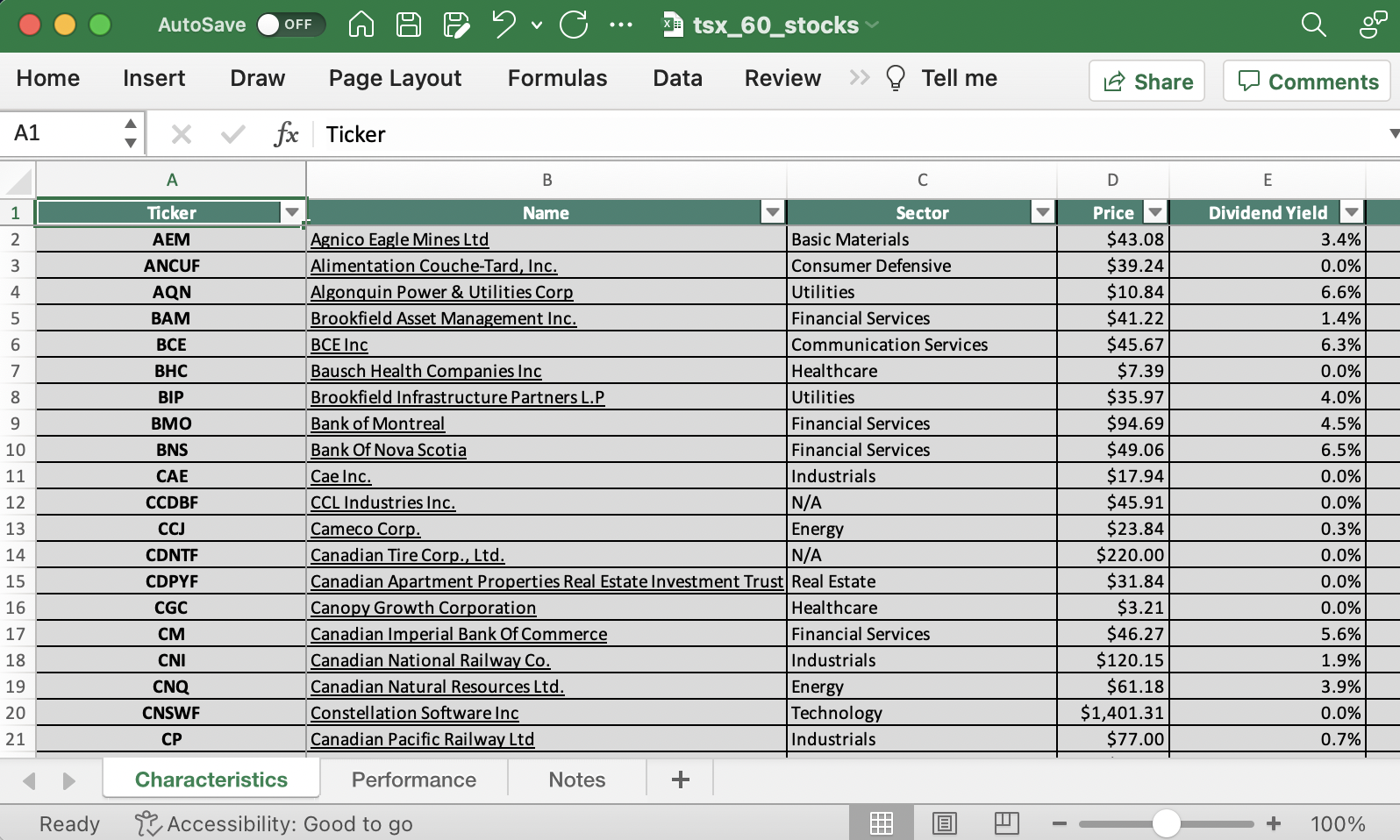
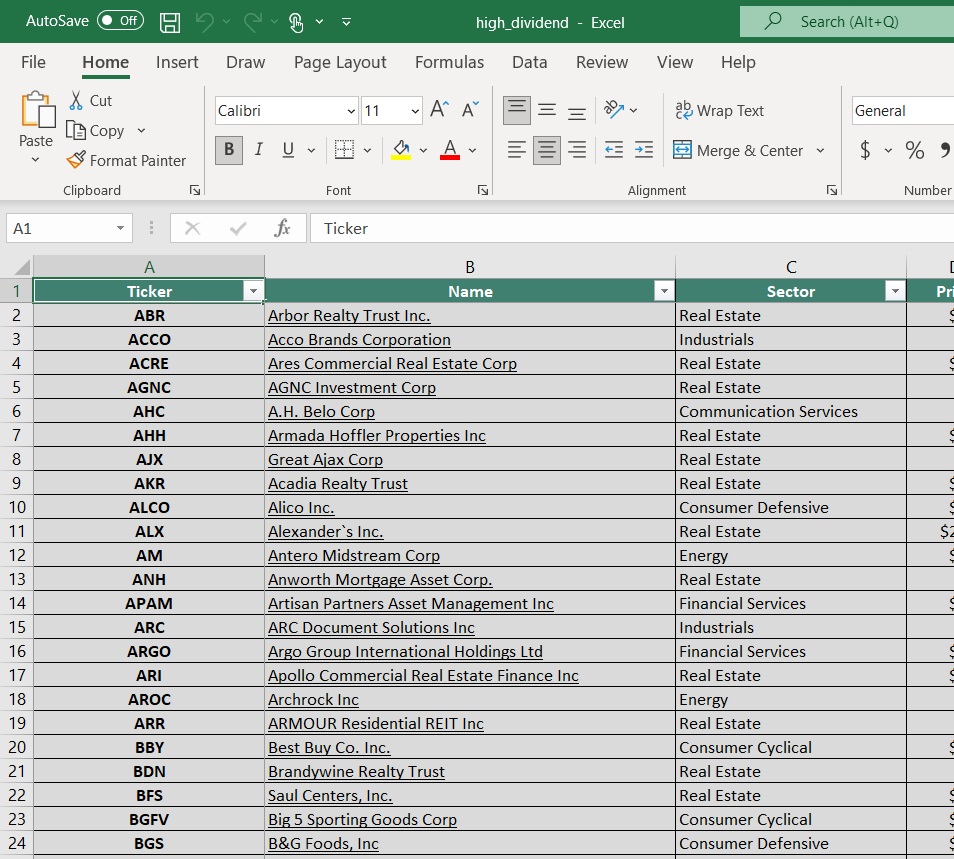
Stephen:You know what, I actually really think that I saw the property better than most people do. I had a lot of friends that were in real estate and they thought I was crazy buying sight unseen because they’re like, how do you know the local cafes and the hotspots? And they really had this thought that you need to see of your eyes, but not having my eyes. I went really deep on the data. So I built a spreadsheet of data. I narrowed down to properties, sorry, areas that had a high enough yield, and I started to look at what’s the median income, what’s the change in median income? What are the demographics? Do our families live here? Is the median income moving? And when I started to zone in those areas, I looked at infrastructure in the areas and is there solid infrastructure? So I really had a very solid idea of why I was investing in that market.And it wasn’t based on any gut, not seeing it also wasn’t that big a deal. So when I decided the area I wanted to invest in, I started interviewing local property managers and I would speak to the property managers to firstly figure out who I want to use, but as well, I was asking them, where are people buying? Where do I need to avoid? What sort bare bath counts do I need in this area? So I got a really clear understanding of what renters were looking for. And when I negotiated on deals, I started just based on numbers. I’d see a deal that I thought would meet my criteria, I would negotiate on the price, and if they were open to that price, I would send my property manager to go do an inspection. They were impartial. They would tell me the truth. They’re like, will you be able to rent this? Are you going to have any issues? What’s the market rent? Is there a cemetery across the road? There’s something wrong with the property? And they would give me the real answers. And then when I went under contract, I would obviously get a professional property inspection done. So I had a full inspection report. I had clear visibility on the property. So for me, I felt confident in the area. I felt comfortable on the property, I felt comfortable with the condition and I was good to go and I never had to see it.
Tony:Steve, everything you just laid out I think makes a ton of sense logically, but oftentimes Ricky investors don’t make decisions simply based off of logic. There’s often a lot of emotion involved in that decision making process as well. And while I think we would all agree what you said was very rational for people who were doing this for the first time, I think there’s still fear around the unknown of I haven’t been there before, I don’t know it. I know my own backyard. And I guess what I’m trying to understand is aside from the rational piece, did you have any of that fear? And if so, how did you overcome that to say, Hey, we’re still going to do this because the data makes sense?
Stephen:I mean, I absolutely had the fear for sure. It was a big investment, but I just did it anyway. And I guess I probably am rational, so I probably rationalized the fear, but I was prepared to make a mistake. To me, I wanted to invest, I wanted to build a better future, so I was prepared to make some mistakes. I’d done a lot of research, so I really felt like I’d minimized the mistakes that I could get. But of course I may get some, and I just did it anyway, knowing that if I made mistakes, I’d learn from them and I’d be able to apply that to future investments.
Tony:Yeah. Steve, three things I want to highlight really quickly. Number one, I love the concept of I just did it anyway. I’ve got three kids. My oldest is a teenager right now, and his whole life growing up, I always shared with him that bravery isn’t the absence of fear. It’s doing it in spite of your fear despite your fear. And I think that’s exactly what you laid out here. Hey, I do feel a little nervous about this, but the truth is, if we only do things that keep us comfortable and we never do anything that scares us a little bit, there is a good chance we’re not going to achieve a whole heck of a lot in life either. So we’ve got to be able to find that tipping point of taking that step towards that fear when we know that it’s in our best interest.And the second thing that you said was you were prepared to make some mistakes. And I think that is the absolute correct mindset that investors need to have that the purpose of the first deal is not to make you a millionaire. The purpose of the first deal is not to retire you from your day job. The purpose of the first deal is to give you proof of concept, is to give you confidence that you can go out there and do your second deal. And I think that when we can take off some of the monetary pressure around this first deal has to be a home run, it then allows us to do what you did where you can step into that fear because the risk is a little bit lower.
Ashley:Steve, when you decided to invest out of state, you had that foundation of knowing people in that market, but what were some of the data and the metrics that you looked like to actually analyze the market on paper?
Stephen:So I used a lot of census data. So Australia has pretty good data like that. So I started with, we have realestate.com, which is like a Zillow realtor. So I pulled that to figure out the yields, like the rental returns, and that eliminated a lot of areas based on the yields. I made the list smaller. But then with the census data, I really pulled out the median incomes, the income quartiles, like what quartile are they earning incoming. But I went back a few years. So what I was actually looking for was the change. I wasn’t looking for the best market, I was looking for the market that was changing. I would also look at the growth that the areas had had. What I did probably different to what most rookies would do was I wasn’t looking for the areas that had grown a lot because my belief was when they’ve grown a lot, you’ve sort of missed that.And I was looking for growth. So I was looking for areas that had really good fundamentals so that it showed to me the incomes are growing, the population’s growing, there’s infrastructure. It looked good but hasn’t grown significantly. And then once I limited that down, I looked in the areas around them. So I found some pockets where it looked good on paper, it hadn’t really grown, but the areas around it had actually grown nicely. So to me that was a clear buy signal that the market was coming up in that area. And that was really a lot of the data I pulled.
Ashley:Did you have any experience in the past like pulling data or metrics or analytics? What has been your career up to this point that did you have any advantage?
Stephen:I mean, maybe I’m a marketer, so I had a tech business, so I ran marketing and sales. So I was sort of comfortable looking at data and analyzing things from a marketing perspective. So I might’ve had that advantage. I had a lot of data scientists and people around me. I wasn’t that person, but I’ve seen how they operate. So that might’ve helped. But to be honest, I don’t think I needed that. I did join a group of people that were doing the same thing. So in Australia there’s this lady, Margaret Lomas, she was a good teacher there, one of the biggest ones in Australia, and she had a group of, so we joined and we all were looking at our own markets and discussing. So that gave us a bit of confidence too. So I mean, I am pretty comfortable with data, but I don’t think you need to be. I think to the rookies listening, I think that it’s not rocket scientists and you can do it.
Ashley:And I think too, the fact that you had a marketing background, we get all the time people saying, I don’t have a job that can help me in real estate. I don’t have any kind of advantage or opportunity, but you’re marketing your property, you’re marketing yourself to find leads to buy properties.
Tony:And Steve, I just want to get a sense because it wasn’t in your backyard and obviously our show is a big place. How far was this property from where you were living? Was it a two hour drive? Was it six hour flight? Just ballpark? How far away was it?
Stephen:Yeah, it’d be pretty significant. I mean, it’d be a full days of travel, a couple hour flight. It’s a different stay in Queensland. I lived in Sydney, new South Wales. It’s a whole different state. It was a far away away. And by the way, I sold it about two years ago. I’d never seen it still. I made a lot of money on it. I managed it. I’ve never seen it in my life.
Ashley:We’re going to take a short break, but when we come back, Steve actually started to make some investments in the us So we’re going to start and touch on that when we could be right back. Okay. Welcome back. We are here with Steve who started out investing in Australia. So Steve, what made you pivot to investing in the us?
Stephen:Well, I did move here. So I’d bought six rentals in Australia and I moved to New Orleans, came here for a vacation and fell in love and decided to stay here. So I had left my old business in Australia, and I wanted to figure out what I wanted to do next, and I did want to do more real estate. I’d sort of got in the bag. I’ve loved it. So I looked around and decided that I wanted to do real estate as a professional. What I think I did in Australia was I was definitely a rookie. I didn’t have any advantage. I was retail investing and looking for where the market was growing, and I decided I moved here. I’m going to actually become an expert in my market and become a professional investor and focus more on buying with making money on the buy as opposed to relying on the market to make that money.
Tony:Steve, so you come from an entirely different country with I’m assuming no contacts, no resources. The community that you’re a part of in Australia is no longer here with you in the States. So what do you do first to start building this actual business that you’re looking to build?
Stephen:The first step was I went to the local Riyadh. We had Noria here, new Orleans Real Estate Investors Association. So I went to that to actually start to say, what’s going on in this market? What’s happening? I started to meet some investors and that sort of got my head around it. So that was really my start. I knew nobody, my whole family’s from Australia. The first person we met here was our Airbnb. We had an Airbnb when we first came, so literally zero network. So starting with Arres and meetups was how I started to build that network. And through Noria, I did a little, I actually bought a deal off a wholesaler to get my visa to move into Australia. I needed to invest in a property. So I bought a dealer for wholesaler, and I wanted to learn what wholesalers did because I didn’t know what that was.I don’t think we had them in Australia or I didn’t know about them if they existed. So I wanted to learn what a wholesaler did, and I did a course through the Real Estate Investors Association on wholesaling. And when I learned what wholesaling was, I realized that I ran sales and marketing for my company. And I’m like, wow. And we were a two-sided marketplace, and wholesaling to me was a two-sided marketplace with sellers and buyers and marketing. I’m like, that’s my skillset. So I realized that I could do wholesaling in this market to buy my own deals and to really add value in a way I wasn’t doing in Australia.
Tony:Steve, I want to dig a little bit deeper into your transition to wholesaling, but before we even get there, you glossed over, I think something that a lot of Ricky struggle with. You casually said, I went to the Rea, met this person, made some connections, but as someone who’s brand new to a country, no connections, no friends, you walk into that R, there’s, I don’t know, 50, a hundred people, however big the R is, who do you walk up to first? What are you saying to people? How are you breaking the ice to actually start building some of these connections?
Stephen:I mean, the thing you’ll find about real estate people is they’re really friendly. If you go to those RIAs, these people want to help you. So I found, I just was going up to people and saying, what do you do? How does that work? I was just being really curious about what they were doing, and I found that most of these people wanted to tell you. And when they found out you’re new to the country, that you’re new to investing, they want to help you.
Ashley:I mean, you got the Australian accent who’s not going to be drawn to a guy with an Australian accent.
Stephen:The AIE accent helped that. A accent helped. It’s funny because it was a disadvantage being Australian for trying to deal with sellers. I was like, I obviously wasn’t from here. I would mess up street names, but I did become, people started calling me Aussie Steve. So I realized that it was a disadvantage, but it’s also an advantage. So I definitely played up the Australian side, might’ve even enhanced my accent, slightly dropped a few more gade, a few more gades than I normally would’ve.
Tony:So you say, Hey, I’m learning about this thing called wholesaling, which wasn’t a thing where you were coming from in Australia, but there was this matching of skills and abilities. And I think for all of our Ricky’s that are listening, even if you’re not maybe in the exact same position as Steve, the lesson to be learned here is that Steve saw an opportunity within real estate investing that was a natural fit to his current skills and abilities, like what he already knew and what he was already good at. And I think all of us should be doing that self-assessment to see or to ask ourselves what strategy aligns best with what I’m actually already good at. I joke me and Ashley joke all the time that she would make a terrible wholesaler because she hates talking to people and knocking on doors and cold calling people. So you got to know where your strengths and your abilities lie. So Steve, once you found out about wholesaling, and I guess for maybe folks that aren’t familiar with that phrase, just define it for us first. What does it actually mean to wholesale? And then once you decided if that was the right strategy for you, how did you actually get started?
Stephen:So wholesaling is really flipping a contract as opposed to flipping a house. So if you are marketing for the stress sellers, you’ll negotiate a price based on what someone will pay for it. You get the contract to purchase that property, but instead of actually buying the property, you assign your rights to purchase that property to another investor and you can assign them at a higher amount, and therefore you earn that spread. So it’s really good for if you’re good at marketing and good at talking to sellers, that’s how you can find deals. And on the other side, people like Ashley, I’m guessing then people that they want deals they want to renovate, but they’re not good at the marketing and sales. So you really form that function for people. Yeah.
Ashley:Steve, when you started doing this, was it just through the meetups that you started to build your buyer’s list and your lead list? How did you actually find buyers that would want to buy the properties that you found?
Stephen:Yeah, I mean the meetups were a big part of it. And then through the meetups going further, I went through BiggerPockets. I made connections through BiggerPockets, the Facebook groups, many ways. I made friends with other wholesalers who had lists as well. So it can be quite good when you’re getting your first deals, you can joint venture with them so they can actually help you understand the right numbers and they can help you move that deal. So it is a combination of all of those things.
Tony:Steve, just from what you shared so far, you seem like someone who’s really nailed the process of building your network, and I think Ash and I both have benefited tremendously from the people that are in our network. For all the rookies that are listening, what is your advice to be come good at networking? And I don’t want it to sound transactional, like, Hey, I’m just networking for the sake of my own personal benefit. But I do think that building a network can be a win-win situation for both parties. So if you were to give me a 32nd crash course on how to effectively network, because you talked about, Hey, I found the first property that I bought, found out about wholesaling. I built my list all through the connections that you made. That is a skillset. So 32nd crash course, how can someone replicate what you’ve done in building your network?
Stephen:I mean, I think just add value and be curious, asking questions, just really finding what people do and just help where you can. Definitely don’t be transactional. Be the opposite of transactional. I really read the book when I came here, the Go-Giver, I dunno if you’ve read that book, but it’s about just adding value. If you add value into the universe, it just comes back to you. It’s not like I’ll help you because I’m happy to help you, not because you need something in return, but if you do that often enough things come back in return and it may not be from the person you helped. So I really, and I think because I came here not knowing anyone, I had to, I had no network. I wasn’t much of a networker in Australia. It’s not a natural thing. That wasn’t my skill. But because I knew no one, I was trying to make friends, I was trying to find out. So my advice is just to help if you can offer to help them and do something without asking for anything in return, and just ask them questions, go deeper and understand what they’re doing, why they’re doing it, and they’re generally happy to answer that.
Ashley:Now in this market, new Orleans, tell us what your buy box looked like. What kind of deals were you going after?
Stephen:So I mean, for me personally, I bought a lot of birds. I have my wholesaler view and then I have the deals I buy myself. The advantage of being a wholesaler is that I have a very wide net. I can pretty much close any deal. Now in south Louisiana, I can pretty much close any deal if it’s price, right? And price, when I first started was like 70% of the after repair value minus repairs was what a buyer would buy a deal for. So if I could get a contract cheaper than that, I had a big enough buy, at least I could move any deal. The market softened and it’s more like 65%. And in some parts of New Orleans particularly, it’s 60% of the RV. So that’s my broad buy box. So I’m able to market, but the ones that I like, so again, my skill is sales and marketing, not renovating. So the deals that I liked were the ones that were priced right like that, but didn’t require a big rehab. I don’t want to fix the foundation. I don’t want to pull permits. So when I found deals that were priced but had a renovation I could handle, I bought those myself and did the bur and anything else I wholesale to my network.
Tony:Steve, I want go back to the whole 70% to 60% of rv. Just give us an example of what the math like that would actually look like. Say the home, the rv, the after repair value is a hundred K. Back us into the numbers you would need for that to be a good wholesale deal.
Stephen:So if the after repair value is going to be a hundred K, the buyers want to buy it at 70% of that value minus repairs. So 70% of a hundred K would be 70 K. And let’s say there’s a 20 K rehab budget, so they’re going to want to buy it for 70 k, minus 20 would be 50 K. So 50 K is going to be the price that the buyer’s going to want to buy it for. And if I’m wholesaling, I’m going to want to make an assignment fee. So if I get the contract for 50 K, I’m not going to make any money, so I’m going to want to get it for 40 5K or 40 K or whatever I can negotiate. I’m going to try and negotiate something a bit lower so that I can make a spread in that
Tony:One follow-up question to that. If I’m new to wholesaling, there are people in our audience who I think are interested in that as a strategy, but I think where a lot of new aspiring wholesalers and just real estate investors in general struggle is estimating those rehab costs. So for you, Steve, when you came to New Orleans, again, new city, new country, how did you go about understanding what those rehab costs were going to potentially be?
Stephen:I’m catching a theme for myself before I even answer, because it was asking people, it was the network and it was the res I got with the buyers and I asked them their rehab costs. I started to learn what they were using. And that’s really what does it cost for a kitchen? What does it cost for a roof? My tip though is there’s a difference between being a wholesaler and a rehabber. When you’re a rehabber, you’re going to have a very itemized, very specific budget based on exactly what you’re going to do. Now, when you’re a wholesaler, all the buyers are going to do different things. So you’re not trying to estimate to the dollar because one person’s going to do high and one person’s going to do low end. You need to give enough of a budget. So if it needs a kitchen renovation, you need to make sure there’s just some money for a kitchen renovation.So what I tend to do is we have a formula that’s like, I think it’s like seven and a half percent of the a RB is stuff just straight away. That’s stuff. And then we just add up big items. So it needs a roof. We have a number for a roof, we have a number for kitchen, we have a number for a bathroom, we have a number for ac. So we just do the big ticket items, but we don’t count just small little items, trim PowerPoints. We don’t count any of that. But just asking around, I got a fair enough number and I realized that most of the time it worked for my buyers.
Ashley:Now Steve, how much money did you have to invest into this wholesaling business? Are you sending out mailers? Do you have any kind of software that you are using that you are paying for? We’ve seen it on both ends of the spectrum where somebody is handwriting letters, doing all their free research off of G has a mapping websites, and then we’ve seen the other extreme where they’re spending $20,000 a month on marketing to get these deals. What did that look like for you?
Stephen:Yeah, so I mean definitely it’s going to take money or time, one or the other. I know some gurus will tell you how it’s just simple and easy and the like, but wholesaling to me, it’s simple. Losing weight is simple because you know how to lose weight. You eat less calories than you burn. You go to the gym every day and you’ll look great. And some people sell. Wholesaling is in, it’s so easy and you can make money. It’s like, yeah, you can, but you’ve got to put in work. You need to do the reps. So it can be hard in that sense. So what am I spending? Yeah, when I first started, I did mail. I did some texting and I did some driving for dollars, but that was spending time and money. Now I do have a company. So we have, there’s six of us here. I have two acquisition people. I have a head of growth and operations. I have disposition people. So I have a payroll now. We do a lot of marketing. We do cold calling, we do online marketing. So I’ve definitely stepped that up, but I went step by step. I didn’t start with this operation. I’ve grown slowly over the last couple of years.
Ashley:Yeah, ballpark, when you first started, what were you spending just starting out?
Stephen:I wasn’t spending that much. I was really was buying a few lists and I was texting, so I was buying list texting and some direct mail. So I was spending probably a couple grand a month, and it did take a little time. So it took me six months to close my first wholesale deal. But the interesting thing was I was working hard at it and I got my first, second, and third in the same week.
Ashley:But that is a common theme that we hear is that it can take up to a year to actually get your first deal. But once you build that momentum and it takes that time, it takes the patience, it takes the investment. You’re paying six months, a couple thousand dollars each month, that can quickly add up if you’re not getting a deal.
Stephen:And I think the important point I want to make on that is it wasn’t that I finally figured out what I was doing in the six months. It wasn’t that I started doing it right, it was all the work I’d done that six months started to come back because the follow up, the momentum. So once I did that, I started rolling. We’ve now done over 220 wholesale deals and the momentum rolled, but it took a lot of confidence to keep going. It took a lot of believing in myself, but I did and it worked. So to all the rookies out there in whatever you’re doing, whether it’s wholesaling investing, I would say just keep trying, keep going. Don’t stop before you get that success.
Ashley:Now, Steve, when you’re doing the burrs for yourself, how are you financing these deals? How are you purchasing the properties? How are you paying for the rehab on them? And then what kind of loan are you using to refinance out of them?
Stephen:So I was lucky enough to be able to buy my first ones with cash because I did have a company in Australia. We actually ended up listing on the Austral Stock Exchange. So that was helpful, and I was able to buy my first couple with the cash from selling my shares. What I did was I purchased with cash, but then I did do A-D-C-S-R loan on the backend and put 30 year fixed debt on it, on the refinance. And then I took that money and bought another property. The classic bur recycling lots of people, you don’t need to have the cash. I’m sure not all the rookies have the cash. You definitely don’t need that. It works just as well getting a hard loan to take down the property and then to use the same sort of DCSR loan to refinance. But I love the burrs.Something that maybe a lot of your listeners might take for granted is the fact that 30 fixed debt only exists in America. It does not exist in Australia, and it does not exist anywhere else in the world. In Australia. There’s no fixed debt you can fix for three to five years max. So the fact that you can fix a loan for 30 years in a place that has inflation, et cetera, it’s such a solid thing. So that’s why I really am a big fan of the bur, and I think a lot of Americans don’t realize what a great opportunity it is for them.
Tony:Steve, I want to get into the actual tactical side of how you are finding deals today. Because you mentioned not too long ago that before you were doing it at 70% of a RV, now you’re down to like 65 or 60%, which means it’s getting harder to find good deals. So I want to break down your exact process for finding good deals today, and we’ll do that right after a word from today’s show sponsors. Alright, we’re back here with Steve and we just covered his journey from Australia coming to New Orleans, building out this wholesaling business. But Steve, the thing that a lot of real estate investors are struggling with, especially today, is finding good deals. I think it’s even harder right now because there are a lot of sellers who are stuck on prices from like two years ago. There are a lot of people who don’t want to sell because they don’t want to trade into a higher interest rate. They’re to 3% that don’t want to sell and land at a six or a 7%. So it’s just getting harder to find good deals. So you talked earlier about your process. You’re sending out marketing, you’re sending out mailing. What have you found to be your best marketing channel today for finding those off market deals?
Stephen:So my best marketing channel is online. I have a strong brand now. I’ve been doing it a while. So I get a lot of people coming through my website. They’ll find me through SEO paid advertising. So definitely that’s my best lead source. But I will say this, that I actually think it’s my sales process that is the key, not the lead source because I think all the lead sources work. I know lots of people that do bandit signs that work, texting mail. I don’t think it’s like there’s a silver bullet of the lead source. But what is important is when you get that lead, what experience does a seller have? So we are very honed in how we have a conversation with our sellers. We try to help them first. We’re caring, right? We’re empathetic, we’ll have a conversation. And the truth is, a lot of the time they don’t like your offer because it is hard.And the truth is the market has changed and the sellers haven’t always realized that. So you need to be able to make an offer that is the right price that they’re probably not going to like, and you need to be able to make that offer. Still be nice about it, be firm about it, but just make that offer and keep rapport because the deal doesn’t always come on that first call. We will call them back and we will stay in contact with them. And ultimately, the deals often come over time. We talk about, there’s often a transition. I’ll give you a story that I think really typifies this because I once had this deal on, I think it was like a five plex I was working on. The seller had lived out of state. He wanted to sell, he was sick of managing it, but the price was closed, but we just couldn’t agree on the price.And he had a property manager that was looking after the property and we sort of left it at that. I stayed in contact, but then one night I woke up and he literally called me at 2:00 AM in the morning. Why would he call me at 2:00 AM in the morning? But I called him back the next day and what had happened was his property manager who was looking after the property, he died. So for him, he wanted to sell. He didn’t like it, but he had a level of comfort straight away. That level of comfort just disappeared and he felt helpless. He’s in a different state. So we then put the deal together and what I will say is this transitions happen all the time. It doesn’t need to be as extreme as someone dying. It can be an AC blowing out. It can be something that happens. So if you just make your offers being nice, build rapport, stay in contact, the deals end up coming to you over time, regardless of where that lead initially came from.
Tony:I want to go a little bit deeper into your sales process, Steve, but just circling back to the lead source, I appreciate you sharing that all the different lead sources can work if you execute them correctly. But you said that your website paid advertisements working really well for you. A few questions around the paid ads. One, are you running these ads yourself or have you outsourced this to some sort of agency? And then which platform have you found to be best? Are you doing Facebook, Instagram? Are you doing Google search? All of them? How are you actually divvying up your budget between the different platforms?
Stephen:Google search would be the best. I have gone in between getting agencies and doing it myself. We currently have an agency doing it, so that’s been really good. I also get a lot of SEOs, a lot of organic listings. I do that myself, having had it run a tech business in Australia. I have a very good sense of that so that I run myself, and that works very well too.
Ashley:So Steve, before we wrap up here, what is next for you? Is it to continue to do burrs, some wholesaling, or are you making a pivot into something else?
Stephen:No, I definitely stick in my lane and I think that’s actually important. I think I see people switch too often, and even when it comes to wholesaling, a lot of people want to start in wholesaling and graduate to something else. I would say if you’re good at wholesaling, if that’s something, if you’re good at marketing, you should always keep wholesaling in your repertoire. It allows you to keep spending money on marketing and pick the deals that work for you. So I’m doubling down. I’m trying to grow my reach. We started in Greater New Orleans, we expanded to Baton Rouge, the Lafayette, and the Mississippi Gulf Coast. I see ourselves as being more regional and expanding further than that. And at the same time just picking the birds that work for me, picking properties that work for me. But I will not stop because I built momentum and a brand and I’ll continue going and I might add some things on top as we go, but I’ll never change or pivot unless something forces me to.
Ashley:Well, Steve, thank you so much for joining us today. We really appreciate it. Can you let everyone know where they can reach out to you and find out more information about your journey?
Stephen:Yeah, absolutely. You can check us out home via louisiana.com is my website. You can go and check that out. You can also find me on LinkedIn, Stephen Curie, I guess. Check the show notes. Not that easy to spell.
Ashley:Well, thank you so much. We really appreciate you taking the time and giving us this little masterclass inside of your business. Thank you so much. I’m Ashley. He’s Tony. And we’ll see you guys on the next episode of Real Estate Rookie.
Help us reach new listeners on iTunes by leaving us a rating and review! It takes just 30 seconds and instructions can be found here. Thanks! We really appreciate it!
Interested in learning more about today’s sponsors or becoming a BiggerPockets partner yourself? Email [email protected].