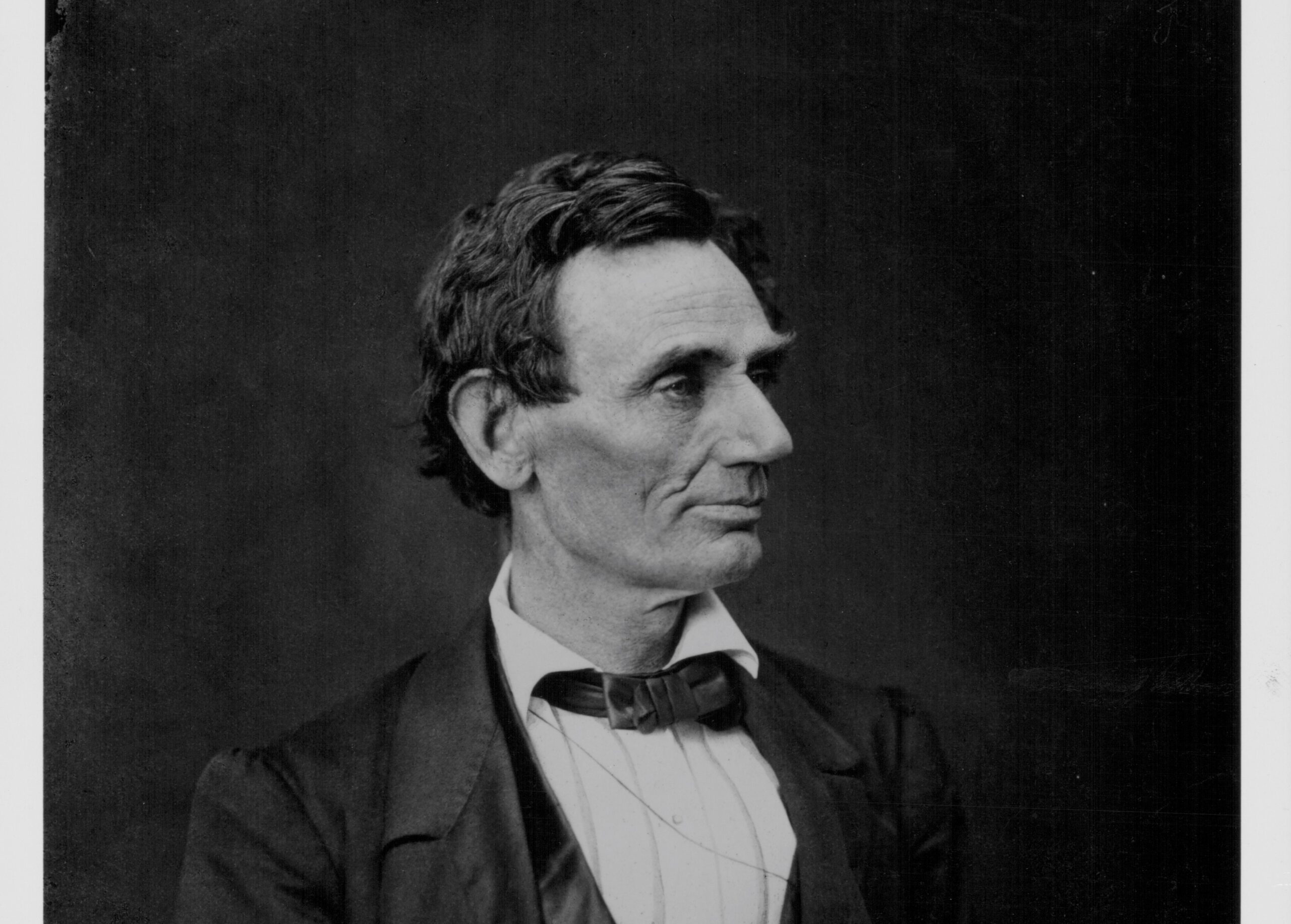
Abraham Lincoln, a lawyer and the sixteenth president of the United States, is an oft-idealized and highly quoted leader with good reason. He made wartime decisions with patience, communicated sincerely with his cabinet, and showed altruism in wanting to educate people. Lincoln’s example offers valuable lessons for investors, especially in passive investing, where balancing profit with integrity is central.
His many monikers stand as an ode to greatness: from his humble beginnings as “The Rail-Splitter” (a name given to one who cuts wood to fasten into fences), to “Honest Abe” (because of his ethics and bias for truth in his law practice), and finally as “The Great Emancipator” (for ending slavery in the United States). Lincoln’s self-reflective leadership style has been studied and imitated throughout the ages by astute politicians, pioneering attorneys, and even captains of finance. His trademark beliefs — patience, discipline, integrity, and education — mirror the central tenets of passive investing, and professionals in the field can learn from his example and the quotes throughout this blog.
It’s not about chasing the latest trends or reacting to market noise; it is about building with purpose, conviction, and perseverance. As Honest Abe would put it, leadership and investing call for character and consistency to achieve enduring success.
Patience: Lincoln’s Strategic Vision and the Long-Term Power of Passive Investing
“We shall sooner have the fowl by hatching the egg than by smashing it.”
Patience is one quality that guided Lincoln’s decision-making in both his legal practice and political career. During his presidency, for example, he strategically delayed the Emancipation Proclamation, an executive order which abolished slavery, until the ideal moment. As the great American poet and Lincoln scholar Carl Sandburg noted in The War Years, this judicious sense of timing amplified the impact of Lincoln’s message both at home and abroad.1
Passive investment strategies, especially those that focus on diversified asset classes, are less impacted by timing the markets. Investors must understand that the value of “time in the market” is greater than “timing the market.” Lincoln did not waver in the dynamic and fickle political climate of his time and stayed the course with his long-term decisions. Investors, too, can avoid the pitfalls of chasing short-term returns in favor of better long-term outcomes through focused and disciplined portfolio rebalancing.
Discipline: Lincoln’s Strategic Planning and Investment Precision
“Give me six hours to chop down a tree and I will spend the first four sharpening the axe.”
Lincoln’s legal training helped inform his renowned communication skills. He carefully crafted each phrase to produce the desired effect in every speech, letter, and policy draft and an economy of language pervaded his most important works. For example, each of the 272 words of The Gettysburg Address, served a purpose.2
Likewise, passive investment strategies depend on clear communication and a methodical approach that must be translated effectively to investors. Communication and asking the right questions around risk tolerance, diversification, and individual financial goals is pertinent to the creation and management of a long-term portfolio.
A successful, passively invested financial plan requires prudence in clarity and accuracy. As Lincoln needed to adapt and evolve his political and military strategies in the face of new challenges, so goes rebalancing which requires constant evaluations and adjustments to market fluctuations. Investors need to consistently fine-tune and adapt their approach while staying true to the fundamental principles and objectives of the investment. An advisor must always be up to date with their clients and ask them probing questions regarding any updates to their life or overall financial picture.
Integrity: The Basis of Lincoln’s Ethical Leadership and Financial Integrity
“Truth is generally the best vindication against slander.”
Lincoln was often referred to as Honest Abe, especially with regard to his practice of law. The name reflected the key to his reputation — integrity, trustworthiness, and reliability. As a lawyer, president, and commander-in-chief during the U.S. Civil War, Lincoln’s commitment to truth and honor did not waver. Passive investing aligns closely with this virtue. A passive investment strategy is inclined towards lower fees, clarity, transparency, and reduced conflicts of interest with the advisor. The core tenet of passive investing is that markets are efficient and any attempt to time or outguess the market is futile. This contrasts with hidden costs, kickbacks, and speculative risks involved in active management strategies.
Passive investment advisors give ethical responsibility, client education, and transparent disclosure due consideration. This ensures recommendations are made in the best interest of clients, not the advisor’s bottom line. These practices are in line with how Lincoln lived and led. Lincoln always believed that trust was built through honesty. This reassures investors that a particular venture or advisor is a trustworthy partner through their financial journey.
Education: Lincoln’s Relatable Communication and Empowering Investors
“Whatever you are, be a good one.”
Lincoln could easily break down complex issues into relatable anecdotes that appealed to the listener. He took care to craft any public communication with strategic clarity to reach a broad range of the population. As Harry Jaffa noted in Crisis of the House Divided, Lincoln made a deliberate choice to translate legal and constitutional matters into the moral language used by common citizens.3
Such devotion to education and accessibility has important implications in investment management as well. Although the concept of passive investing is based on technical principles, it can — and should — be made available and explained to ordinary investors. The emergence of affordable index funds and online learning tools has given millions of people the confidence to invest in markets without the need for a strong financial background, and modern investors expect clear, transparent communication from investment professionals.
In managing clients’ portfolios, financial advisors play a similar role to that of Lincoln in his approach to public leadership. During uncertain times, advisors must increase communication and focus on coherent and precise language rather than technical jargon. Market downturns often trigger fear, leading to poor decision-making. Advisors who communicate with clarity help clients stay invested, reducing the risk of emotional selling. In this way, communication is not just a courtesy but a financial safeguard.
Applying Lincoln’s Legacy to Today’s Investment Landscape
Lincoln’s leadership values were centered around clarity, purpose, and ethics, principles he firmly maintained in times of crisis and uncertainty. Today’s investor market is a battleground of economic cycles, inflationary pressures, and market volatility. Yet the values needed to navigate these waters are consistent with Lincoln’s timeless lessons: patience, discipline, integrity, and education.
Successful passive investment strategies do not require flamboyance or unreasonable expectations of success. They rely on proven approaches: a clear vision and the discipline to stay the course in volatile markets. These virtues uphold the fiduciary duty investment professionals owe their clients and build long-term trust.
By adopting Lincoln’s philosophy of leadership, investors and advisors can establish trust, encourage learning, and pursue financial security with integrity.
References
Sandburg, C. (1939). Abraham Lincoln: The War Years. Harcourt, Brace & Co.
Wills, G. (1992). Lincoln at Gettysburg: The Words That Remade America. Simon & Schuster.
Jaffa, H. V. (1959). Crisis of the House Divided. University of Chicago Press.
Resources
Nicolay, J. G., & Hay, J. (1890). Abraham Lincoln: A History. The Century Co.
Donald, D. (1995). Lincoln. Simon & Schuster.
White, R. C. Jr. (2002). Lincoln’s Greatest Speech: The Second Inaugural. Simon & Schuster.
Holzer, H. (2004). Lincoln at Cooper Union: The Speech That Made Abraham Lincoln President. Simon & Schuster.
Guelzo, A. C. (1999). Abraham Lincoln: Redeemer President. W.B. Eerdmans.
Fornieri, J. R. (2003). The Language of Liberty. Regnery Publishing.
Basler, R. P. (Ed.). (1953). The Collected Works of Abraham Lincoln. Rutgers University Press.