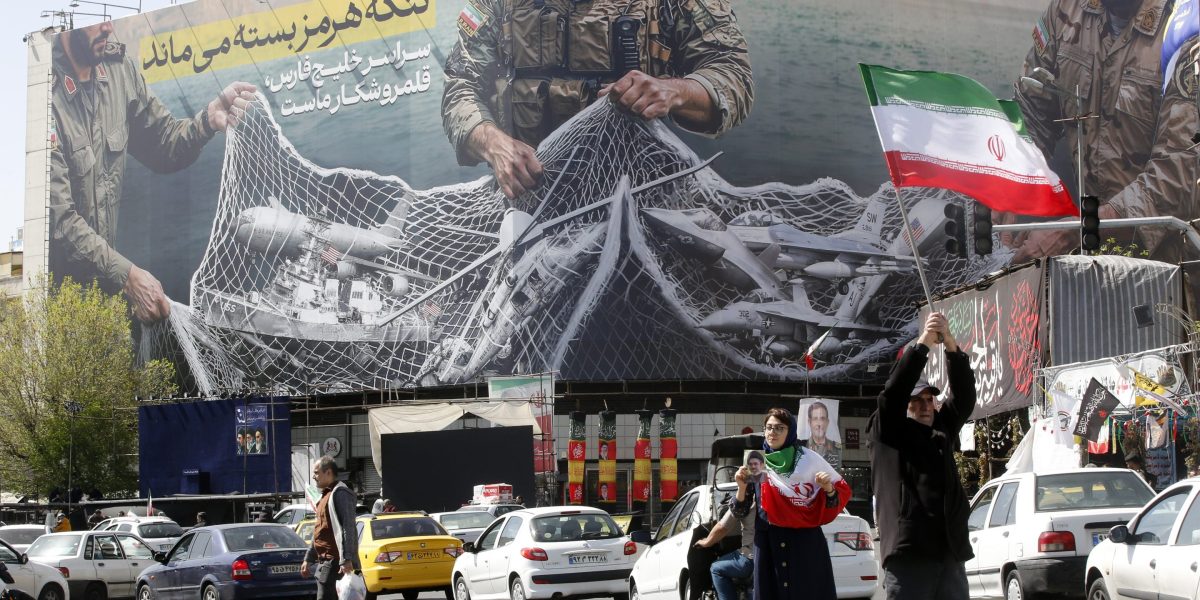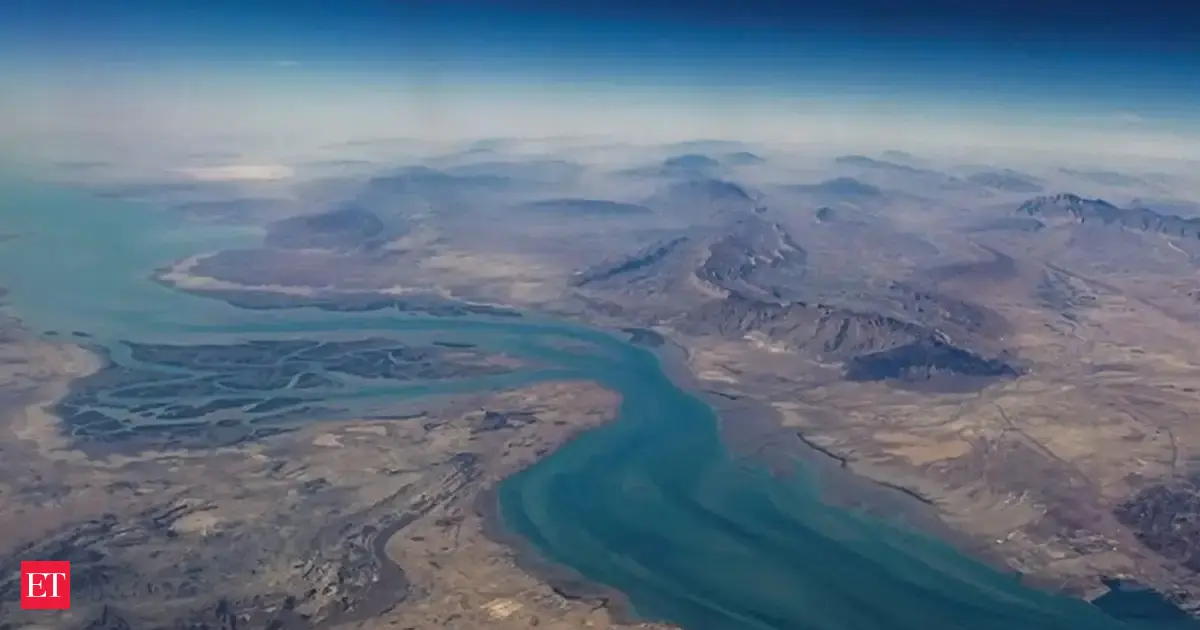
The strategic waterway links oil exports from major Gulf producers such as Iraq, Saudi Arabia, Kuwait and Qatar to global markets and typically handles around 20% of global supply. However, uncertainty around the ceasefire remains high. Israel continued strikes on Lebanon on Wednesday, prompting Iran to call it “unreasonable” to move ahead with negotiations for a lasting peace agreement.
Crude oil price on April 9
Brent crude rose $2.6, or 2.74%, to $97.35 a barrel at 0048 GMT. U.S. West Texas Intermediate (WTI) gained $3.02, or 3.2%, to $97.43 a barrel. Both benchmarks had slipped below the $100 mark in the previous session. WTI posted its sharpest fall since April 2020, driven by hopes that the ceasefire involving the U.S. and Israel against Iran would lead to the reopening of the Strait of Hormuz.Meanwhile, risks to regional oil infrastructure continue. Iran reportedly targeted sites in neighboring countries even after the ceasefire, including a pipeline in Saudi Arabia that serves as an alternative to the Strait. Kuwait, Bahrain and the UAE also reported missile and drone attacks.
The durability of the ceasefire hangs in limbo, particularly due to Israel’s actions against Hezbollah in Lebanon. Ongoing attacks on energy facilities and conflicting signals surrounding the Strait of Hormuz continue to add to market uncertainty.
What are experts saying?
Experts say oil markets may be transitioning into a structurally higher price regime. In a base case scenario that assumes de-escalation of the Iran war, global brokerage Macquarie expects prices to remain elevated, with Brent finding support in the $85–$90 range and gradually inching back towards $110 as flows through the Strait of Hormuz normalise only slowly.Experts say if ongoing tensions persist, the outlook for crude oil remains volatile and tilted upward. Continued conflict in the Middle East, especially disruptions around the Strait of Hormuz, would keep supply chains constrained, pushing Brent and WTI prices higher and sustaining inflationary pressures worldwide.
“Even with a peace deal, Iran may be emboldened to threaten the Strait of Hormuz more frequently in the future, and the market will price in heightened risk to the Strait of Hormuz going forward,” MST Marquee analyst Saul Kavonic, told Reuters.
(Disclaimer: Recommendations, suggestions, views and opinions given by the experts are their own. These do not represent the views of The Economic Times)