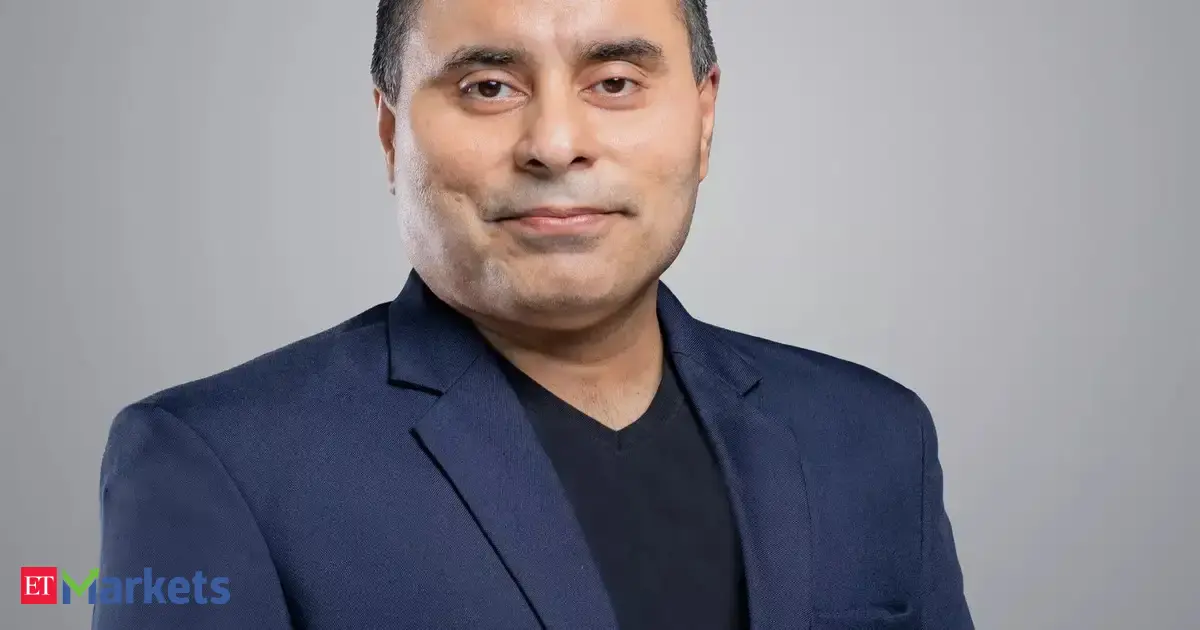
Edited excerpts:
Q: The gold–silver ratio is near 60 as of January 2026. What does this indicate?
Anindya Banerjee: Historically, the gold–silver ratio has operated in a wide range of 60 to 100. During periods of economic stress, gold tends to outperform silver, while in growth phases silver usually does better.
However, there has been a structural shift in silver over the past five years. With global digitisation, AI adoption, EVs, solar panels and data centres, silver demand has surged. At the same time, supply has struggled due to decades of underinvestment.
Silver is now being classified as a critical mineral by several countries. Recycling is limited, and nearly 70–80% of supply comes as a by-product of other metals, making supply response slow.
Structurally, this suggests the gold–silver ratio should trend lower over time. While short-term risk-off phases may favour gold, over the next few years the ratio could move towards 40 or even lower.
Q: What is your outlook on gold and silver for the next 3–6 months?
Banerjee: The outlook is bullish for both.For gold, the key driver is de-dollarisation. Central banks and institutions are diversifying away from dollar assets and increasing allocations to gold and silver. Recent global geopolitical developments only reinforce this trend.
Gold has emerged from a prolonged consolidation phase. We won’t be surprised if gold moves towards $4,800 over the next three to four months.
Silver benefits from both monetary demand and industrial demand, and the market is already in a supply deficit. That makes silver even more compelling. Our medium-term target for silver is $100.
Q: Copper has been rallying sharply and is near record highs. Is this move fundamental or speculative?
Banerjee: It’s a mix of both, but the fundamentals are very strong.
Copper sits at the heart of electrification, AI, semiconductors and clean energy. Like silver, copper has suffered from years of underinvestment, and there are no major new mines expected in the near term.
The market could remain in deficit through 2026 and possibly 2027. While speculative players may exaggerate price moves in the short term, the long-term trajectory for copper remains bullish.
Q: With rising geopolitical risks, which commodities react first — oil, gold or base metals?
Banerjee: Gold reacts first, followed by silver and copper.
Gold benefits immediately from monetary diversification during geopolitical stress. Silver and copper follow because they are critical for future industrialisation.
Oil is different. Despite geopolitical noise, the oil market is well supplied. Over time, more supply could enter the market from regions like Russia and Iran. As a result, oil prices are likely to remain under pressure.
Q: From an India perspective, which commodities pose the biggest inflation risk?
Banerjee: For India, energy prices, oil and gas are the biggest inflation risk. However, the current outlook is favourable.
Global oil supply is ample, inventories at sea are high, and non-OPEC supply growth is expected to exceed global demand growth. India is likely to benefit from softer energy prices, barring short-lived geopolitical spikes.
Q: If there’s one commodity to avoid at current levels, what would it be?
Banerjee: I would avoid long-only positions in crude oil. The broader trend remains bearish due to supply dynamics.
Q: Your top commodity picks for 2026?
Banerjee:SilverGoldCopperAluminium
Q: What key levels should investors watch this week for gold and silver?
Banerjee:Gold: ₹4,470 (spot). A break above this could lead to a retest of all-time highs near ₹4,550.Silver: Consolidation between $71 and $78. A breakout above $80 could open the path to $95–$100.
Q: In one line, how should investors diversify portfolios with commodities in 2026?
Banerjee: Adopt a tripod strategy. Invest some amount now to avoid FOMO, deploy part via SIPs, and keep some cash ready to invest during sharp market corrections.
Disclaimer: Recommendations, suggestions, views and opinions given by the experts/brokerages do not represent the views of Economic Times.