In India, the IT sector has faced substantial pressure amid fears of disruption from AI. While valuations may appear attractive, Schiessl explained that reducing exposure and waiting for more clarity makes sense in the short term. The banking sector, by contrast, continues to trade near its highs, supported by a healthy macroeconomic backdrop. More cyclical and defensive sectors are attracting attention as investors adjust their positions, and the rotation toward these areas is expected to continue for some time.
On the IT services front, Schiessl emphasized the uncertainty surrounding AI’s impact. Large-cap IT stocks may face short-term risk, while smaller, specialized players could be better positioned to navigate disruption. He stressed the importance of management guidance and visibility on new order wins before investors commit fresh capital or take positions against traditional IT businesses.
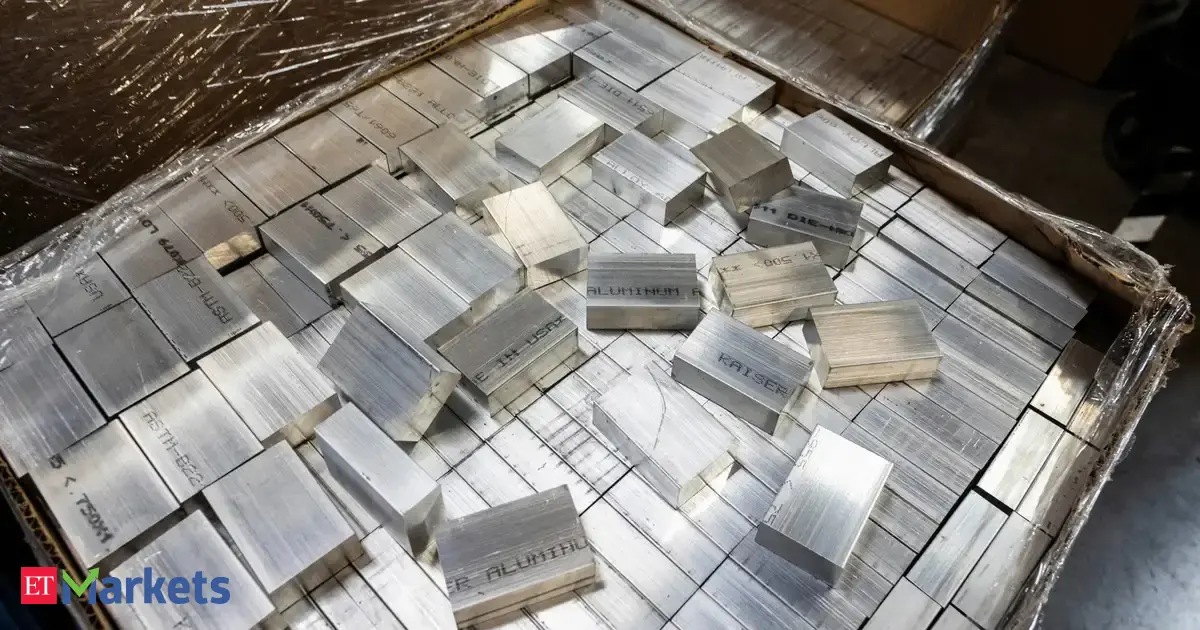
The pharmaceutical sector, particularly the GLP-1 generics space, presents a significant opportunity. Schiessl described it as “massive,” citing the available market share and the growing range of applications for the compound. Meanwhile, the metals sector has performed strongly over the past year and continues to look attractive. From steel producers to miners, valuations are generally favorable, and earnings prospects remain robust. Schiessl said that commodities and related sectors globally continue to offer appealing opportunities.
Overall, Schiessl’s analysis highlights a market in transition. With rotation from technology into cyclicals, defensive, and commodity-linked sectors, investors are advised to monitor sector fundamentals, management guidance, and order pipelines closely. While uncertainty remains, selective positioning in sectors with strong underlying fundamentals could provide strategic opportunities in the months ahead.