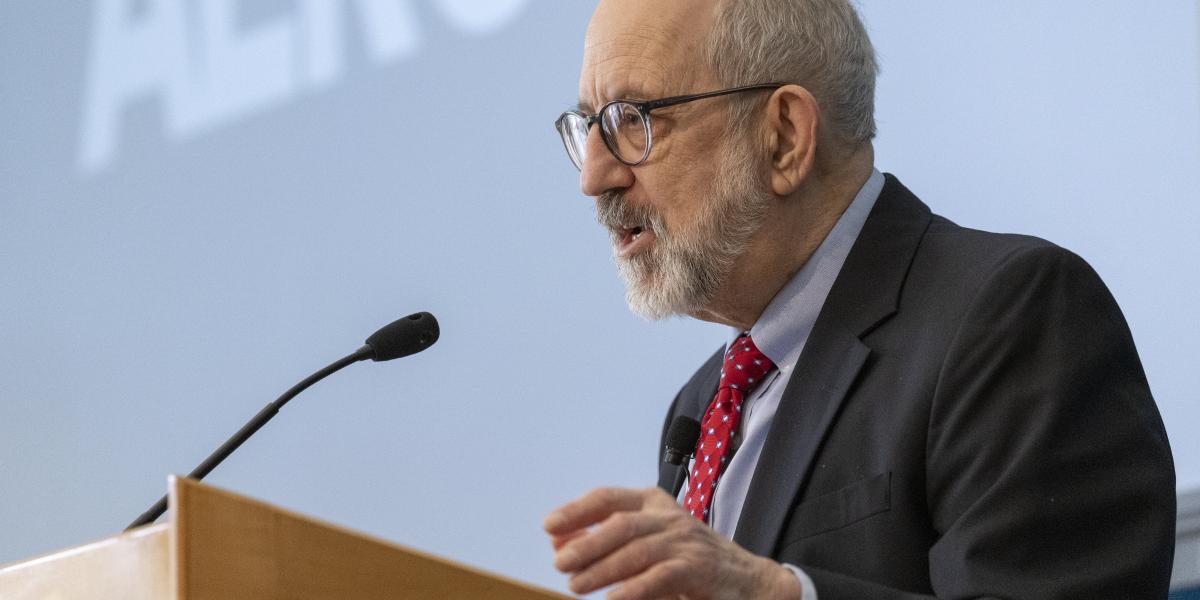
Market expert Aman Chowhan from Abakkus Asset Manager believes the correction has opened up opportunities, albeit with caution.
“Yes, prices are definitely attractive… otherwise we would have been in much better shape. Hopefully, when the war ends, oil will be back to 60–70, giving a reason to look at equity and maybe another 5–10% move over the next 12 months.”
Oil Remains the Key Risk
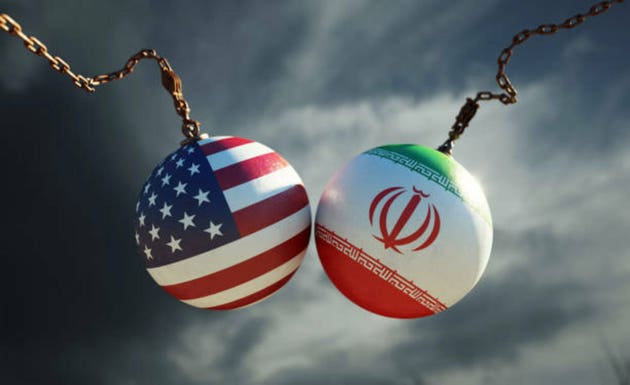
The biggest variable, according to Chowhan, is crude oil. If prices stay elevated, the broader market could face deeper challenges. “If the war prolongs… nine out of ten companies would be negatively impacted. Trade deficit goes haywire, currency goes haywire… we can see another 5% to 10% shaved out of Nifty.”
Cost Pressures Already VisibleEven before earnings fully reflect the impact, companies are beginning to feel the heat from rising input costs. “Plastic prices are up 30–40%… some companies are feeling the pinch. The full impact will be visible in the first quarter.”Few Safe HavensThe correction has been broad-based, and sectoral immunity is limited. “Pharma and IT are relatively less impacted… but IT has its own challenges. Banking also gets indirectly impacted… not much remains unimpacted.”Strategy: Focus on Valuation, Not SizeWith smallcaps falling more sharply than largecaps, investors face a familiar dilemma. Chowhan suggests focusing on fundamentals over market cap. “High PE stocks have not performed… the bounce will happen in reasonably valued stocks. Over 3–5 years, mid and smallcaps can give better returns if one can handle volatility.”
Where Value is EmergingDespite near-term disruptions, select sectors are starting to offer value. “Engineering and EPC look attractive… IT midcaps valuations are looking good. Financials are fairly priced and can still deliver 20–30% returns.”
Private Banks Still PreferredWithin financials, the preference remains clear. “Preference is towards private banks… and selectively non-fund-based financials like NBFCs, broking and AMC companies.”
The Bottom LineWhile valuations are turning favourable, markets remain hostage to global developments—especially oil. Investors may find opportunities, but discipline, stock selection, and a long-term perspective will be critical in navigating this uncertain phase.