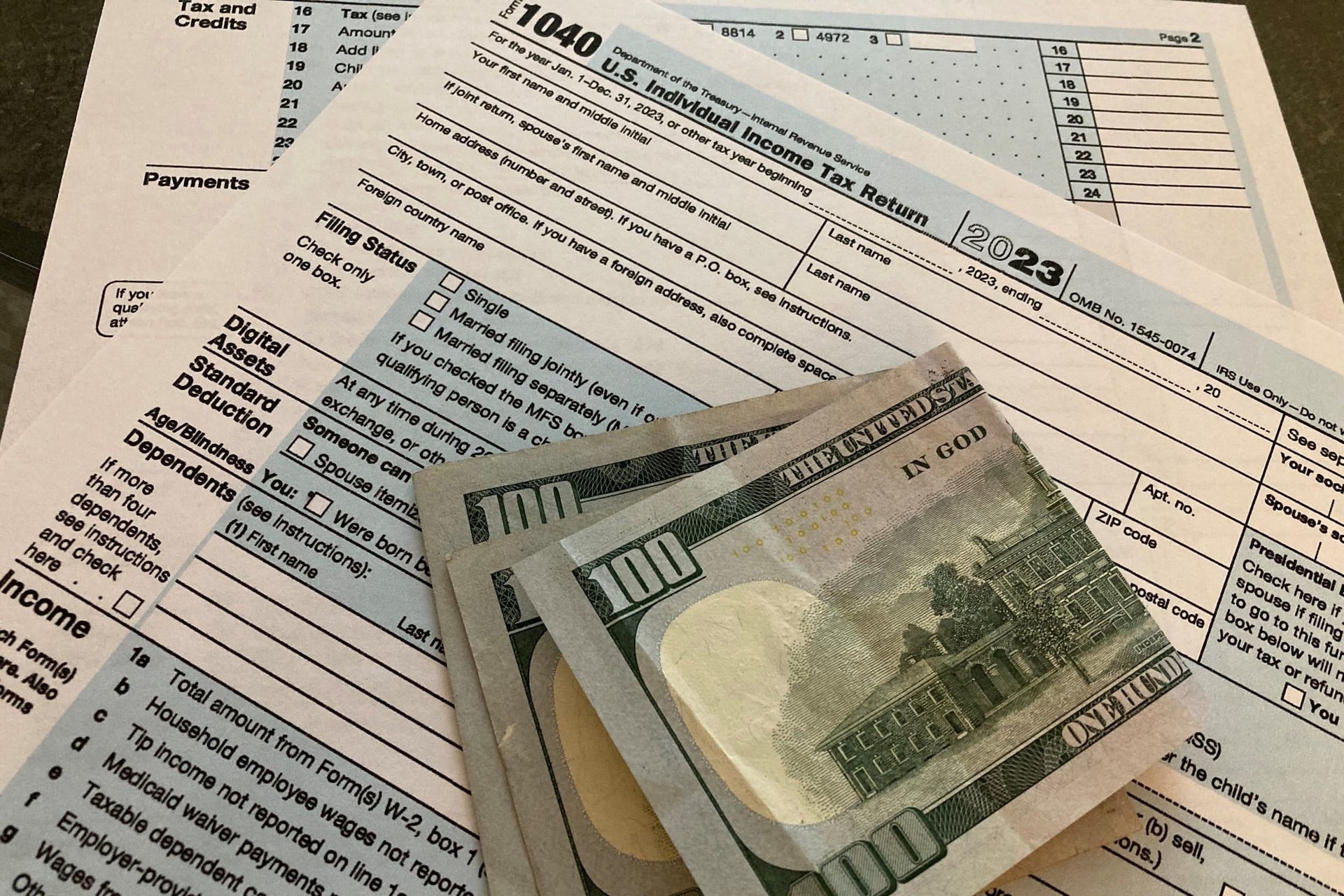
IRS data shows average refunds are up, but that doesn’t mean everyone will see the same result.
Key takeaways
Average tax refunds are trending higher this filing season and filers are expected to see up to $1,000 increase in refund this year.
A higher national average doesn’t guarantee your refund will be bigger. Your outcome depends on your income, withholding, and credits.
Changes to income, withholding, and credits can all affect your final refund.
The news is all abuzz about receiving bigger tax refunds.
Refund headlines are everywhere this year. But there’s an important catch if you’re already mentally spending money you haven’t received yet.
In general filers could see up to $1,000 increase in refunds or lower balance due this season related to the new tax law changes.
Here’s what’s driving the buzz, what people often misunderstand about “bigger refunds,” and how to figure out what your own refund might look like before you file.
Are tax refunds bigger this year?
So far, yes, on average related to the new tax law changes. The IRS reports average refund figures based on returns processed to date, and those numbers change throughout the filing season as more people submit returns.
That’s why bigger refunds this year aren’t guaranteed. Your refund ultimately depends on your own tax situation — including income, withholding, credits, and deductions.
Why your refund might be bigger this year
Refunds go up for a few common reasons, and they’re usually personal, not universal. For example:
Your withholding changed. If more tax was withheld from your paychecks, your refund could be larger, even if nothing else changed.
Your life changed. Marriage, a new baby, a home purchase, or childcare costs can shift your credits and deductions.
Your income mix changed. Side income, bonuses, or new investments can change what you owe or get back.
Some taxpayers may also see differences tied to new provisions associated with the One Big Beautiful Bill Act that the IRS has outlined in its guidance (for example, the car loan interest deduction, as well as deductions tied to tips and overtime for eligible filers).
The important part: these changes only matter if they apply to you.
Common misconceptions about ‘bigger refunds’
A few ideas show up every year when refund headlines start circulating. Here’s what’s worth keeping in mind.
A bigger refund isn’t always “extra money.”
A refund is often a sign that you paid more tax during the year than you ultimately owed. If you got a very large refund and would rather have more money in each paycheck, you may want to review your withholding for next year.
A bigger refund this year doesn’t mean a bigger refund next year.
Refunds can change quickly if your income changes, credits phase in or out, withholding shifts, or tax rules change. One year’s refund isn’t a forecast.
The number you expect isn’t always the number you receive.
The IRS may adjust returns for errors or missing information, which can change the refund amount and affect timing. If that happens, you’ll typically receive a notice explaining the change.
There are exceptions.
Some people can still receive a refund even if they didn’t have taxes withheld or aren’t required to file. That’s often because of refundable credits like the Earned Income Tax Credit, which can result in a refund even if you don’t owe taxes.
If you’re seeing refund headlines and thinking, “Okay, but what about me?” you’re asking the right question.Get clarity on your refund before you file using the TurboTax Tax Calculator.