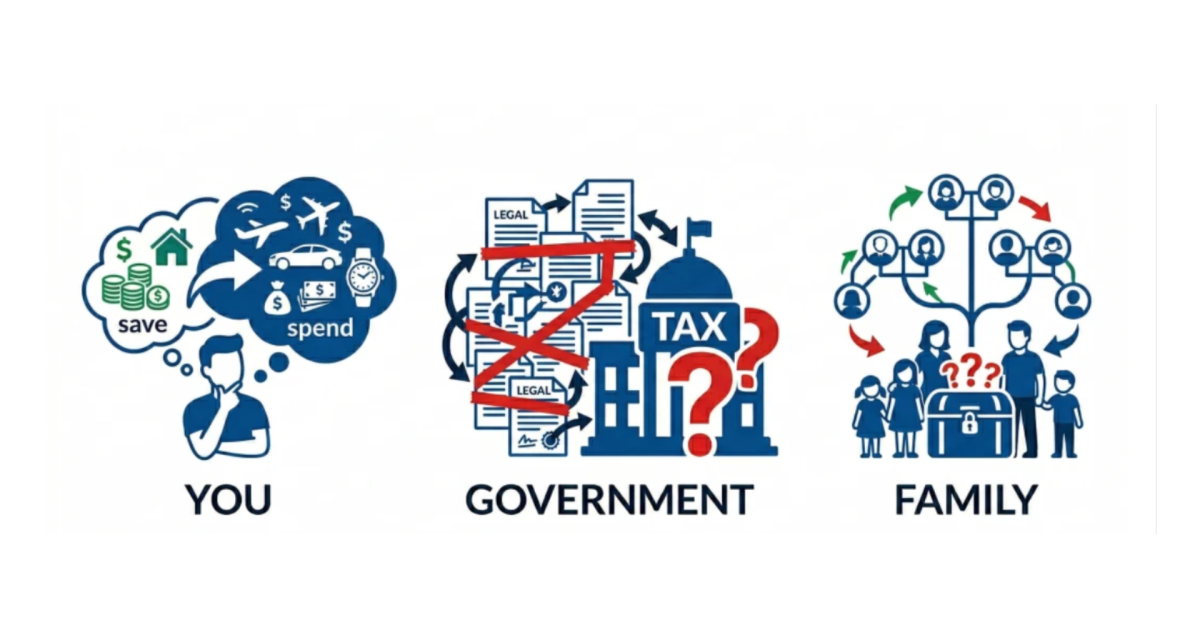
If you own real estate, operate a business, or simply care about what happens to your assets after you’re gone, you’ve probably heard people say: “Just get a will.” But a will alone won’t protect your legacy.
In my experience working with thousands of investors and families, the most effective tool for preserving wealth, minimizing court involvement, and protecting loved ones is a living trust—and yet, most people either misunderstand it or wait too long to set one up.
So let me give you three compelling reasons why real estate investors should consider a living trust—and how it can create real protection during your life and long after.
Prefer to watch? Click here to watch the full video.
What Is a Living Trust?
First, let’s define a living trust. A living trust is a legal document that lets you transfer ownership of your assets into a trust while you’re still alive. You control the trust as the trustee, and you can change or cancel it at any time if it’s revocable.
When you pass away or become incapacitated, a successor trustee—someone you choose—steps in to manage or distribute those assets according to your instructions.
Note: Most people use a revocable living trust, which allows you to change or update it during your lifetime. But for certain asset protection or tax strategies, an irrevocable living trust may make more sense—especially if you’re trying to remove assets from your estate or qualify for Medicaid.
Reason #1: You Don’t Own Your Assets Forever
Let’s start with a little reality check.
You don’t actually own your assets permanently.
You’re just the steward of those assets during your lifetime.
When you pass away, all your real estate, investments, and personal belongings will go to someone else. The question is—on whose terms?
If you don’t set up a living trust:
Your estate likely goes through probate proceedings (a long, expensive, public legal process)
Control shifts to the courts and possibly even creditors
Your family is left to deal with legal red tape, fees, and stress
But with a revocable living trust, you maintain control while you’re alive and ensure a seamless, private transfer of assets when you’re gone. And yes—this includes real estate investors who want to avoid title freezes, asset disputes, and tax delays.
That’s one of the biggest benefits of living trusts for real estate investors—you can control how your properties are handled, skip probate entirely, and avoid delays in transferring rental income or titles to your heirs.
Reason #2: You Need Advocates for Your Life and Health
Here’s a painful truth most people don’t realize until it’s too late:
Wills don’t protect you while you’re alive.
When it comes to wills vs. living trusts, the difference is night and day. A will only takes effect after you pass, while a living trust works during your lifetime, protects you in emergencies, and carries out your wishes after you’re gone.
A living trust allows you to:
Appoint someone to manage your assets and finances if you become incapacitated
Empower a loved one to make medical decisions on your behalf
Define exactly what you want for end-of-life care (like a living will)
Let me give you a real example: During COVID, hospitals enforced strict visitation rules. If you weren’t legally married or didn’t have medical directives in place, you could have been denied access to your loved one’s bedside. I’ve seen people lose the chance to say goodbye—all because there was no documentation giving them authority.
And it gets worse with degenerative conditions like Alzheimer’s. Without a trust and supporting legal documents:
No one can speak for you legally
Banks won’t allow access
Doctors may ignore your actual wishes
True Story: I once served as a court-appointed guardian, and I had to fight hospitals and professionals to enforce a person’s wishes. You don’t want your family members in that position without legal power to act.
Want help setting up a living trust correctly?
Schedule your free 45-minute estate planning strategy session with one of Anderson’s estate planning attorneys. We’ll help you create a living trust that protects your family and your wealth. Click here to get started.
Request a free consultation with an Anderson Advisor
At Anderson Business Advisors, we’ve helped thousands of real estate investors avoid costly mistakes and navigate the complexities of asset protection, estate planning, and tax planning. In a free 45-minute consultation, our experts will provide personalized guidance to help you protect your assets, minimize risks, and maximize your financial benefits. ($750 Value)
Reason #3: Inheritance Without a Plan Can Hurt People
Here’s the most surprising—and maybe controversial—point:
Leaving money to someone can actually hurt them.
Think about it. We’ve all heard stories of:
Lottery winners who go broke
Kids who inherit too soon and spiral
Families torn apart over money
If you hand someone $500,000 without any guidance, structure, or planning, you might unintentionally ruin their life. I’ve seen it happen.
One of my business partners had a college friend who inherited money after his parents passed. He dropped out of school, blew through the funds, and derailed his future. The money became a burden, not a blessing.
That’s why living trusts are powerful. They allow you to:
Appoint trustees to manage and distribute assets responsibly
Set conditions for when assets are distributed (graduation, age, milestones)
Limit use to health, education, maintenance, support (HEMS)—not Lamborghinis
You can even get creative:
Fund an education trust through life insurance
Create a family foundation for giving
Build a legacy plan that lasts 200+ years
This is how you create generational wealth—not just inheritance.
But What If I Don’t Have Much Money?
That’s the most common objection I hear. But here’s the deal:
You don’t need a fortune—you need a plan.
Even if you don’t have a million-dollar bank account, you have:
A life
A body
The ability to buy life insurance
A simple term policy of $250,000 can fund your trust and fuel your legacy. That money can go toward education, charity, business creation, or even family travel—all based on your values.
Bonus: A Living Trust Helps You Avoid Probate (And Drama)
Probate is not just expensive—it’s emotionally draining.
When families go through probate:
Your estate becomes a public record
Creditors, estranged relatives, and lawyers get involved
Even small estates can be burned up in fees
Worst of all, it opens the door to conflict. I’ve seen siblings sue each other over sentimental items like Christmas plates. That’s not legacy—it’s destruction.
Living trusts avoid that by:
Keeping everything private
Letting you add no-contest clauses
Ensuring your wishes are followed without court interference
Create Something That Lasts
One of the best examples of a legacy trust is the Milton Hershey Foundation. Created in 1905, it still runs schools, hospitals, and charities over a century later—all because of a structured plan with good stewards.
And that’s the takeaway:
Your living trust can protect your family, support your values, and impact generations. But only if you set it up before it’s too late.
What’s the downside to having a living trust?
Honestly, not much—except that it requires upfront planning. You’ll need to fund the trust by moving your assets into the trust correctly and keeping your documents updated. But compared to the cost, time, and stress of probate, most agree that the downsides to having this powerful estate planning tool are minimal, especially for those with real estate or business assets.
Take Control of Your Future
Here’s why you should seriously consider setting up a living trust—especially if you own real estate, have loved ones you want to protect, or want to build a lasting legacy:
It gives you control while you’re alive and peace of mind after you’re gone
It protects your family from unnecessary court battles and expenses
It ensures your hard-earned wealth goes exactly where you want it to
It allows you to pass on your values—not just your valuables
You’ve worked hard to build something meaningful. Don’t leave the future of it up to chance.