Moving debt from a high-interest credit card to a card with a promotional 0% APR offer can save you hundreds or even thousands of dollars in interest. When you’re looking for a balance transfer credit card, it’s natural to gravitate toward the card with the longest 0% period or the lowest transfer fee. But that might not necessarily be the right choice for you.
Balance transfer credit cards fall into two general categories:
Dedicated 0% APR cards generally have a long introductory period at 0% interest. The intro period could be 18-21 months or longer. Once that promotional period runs out, however, they don’t give you much reason to keep using them. Their ongoing interest rates are nothing special, and they don’t offer rewards.
Rewards cards with a balance transfer promotion generally have a shorter 0% period — typically 12-15 months, but there are options that go as long as 18 months. These cards offer rewards on purchases (usually cash back), so you have an incentive to keep using them long after the 0% period runs out.
Citi Simplicity® Card
on Citibank’s application
Rates & Fees
Wells Fargo Reflect® Card
Rates & Fees
Citi® Diamond Preferred® Card
on Citibank’s application
Rates & Fees

U.S. Bank Shield™ Visa® Card
Rates & Fees
Intro APR period for balance transfers
0% intro APR on purchases for 12 months and 0% intro APR on balance transfers for 21 months, and then the ongoing APR of 17.49%-28.24% Variable APR.
0% intro APR for 21 months from account opening on purchases and qualifying balance transfers, and then the ongoing APR of 17.49%, 23.99%, or 28.24% Variable APR.
0% intro APR on purchases for 12 months and 0% intro APR on balance transfers for 21 months, and then the ongoing APR of 16.49%-27.24% Variable APR.
0% intro APR for 18 billing cycles on purchases and balance transfers, and then the ongoing APR of 16.99%-27.99% Variable APR.

Chase Freedom Unlimited®
Rates & Fees
Citi Double Cash® Card
on Citibank’s application
Rates & Fees

Discover it® Cash Back – 18 Month Intro Balance Transfer Offer
Rates & Fees
Discover it® Chrome
Rates & Fees
Intro APR period for balance transfers
0% intro APR on purchases and Balance Transfers for 15 months, and then the ongoing APR of 18.49%-27.99% Variable APR.
0% intro APR on balance transfers for 18 months, and then the ongoing APR of 17.49%-27.49% Variable APR.
0% intro APR on Purchases for 6 months and 0% intro APR on Balance Transfers for 18 months, and then the ongoing APR of 17.74%-26.74% Variable APR *Rates as of December 15, 2025.
0% intro APR on Purchases for 6 months and 0% intro APR on Balance Transfers for 18 months, and then the ongoing APR of 17.74%-26.74% Variable APR *Rates as of December 15, 2025.
Why you’d choose it: Long intro period for transfers + no late fees
Balance transfer fee: There is an intro balance transfer fee of 3% of each transfer (minimum $5) completed within the first 4 months of account opening. After that, your fee will be 5% of each transfer (minimum $5).
APR: 0% intro APR on purchases for 12 months and 0% intro APR on balance transfers for 21 months, and then the ongoing APR of 17.49%-28.24% Variable APR.
Why we chose the Citi Simplicity® Card as one of our best balance transfer credit cards: Three standout features of the Citi Simplicity® Card made it our choice for best balance transfer credit card in the 2025 NerdWallet Best-Of Awards. First is the extra-long introductory APR period on balance transfers, which is one of the longest you’ll find from a major issuer. Second is the fact that the card doesn’t charge late fees or a penalty APR (that is, a higher interest rate that some issuers impose if you’re late with a payment or violate some other rule). Obviously, you should always strive to make payments on time, but the forgiveness offered by this card can be a lifesaver to someone working to eliminate debt. Third, the card has a relatively low introductory balance transfer fee (see above). However, beware of the mismatch between the intro APR periods for purchases and balance transfers. This card also earns no rewards, so its long-term value is limited.
See our pros and cons for this card
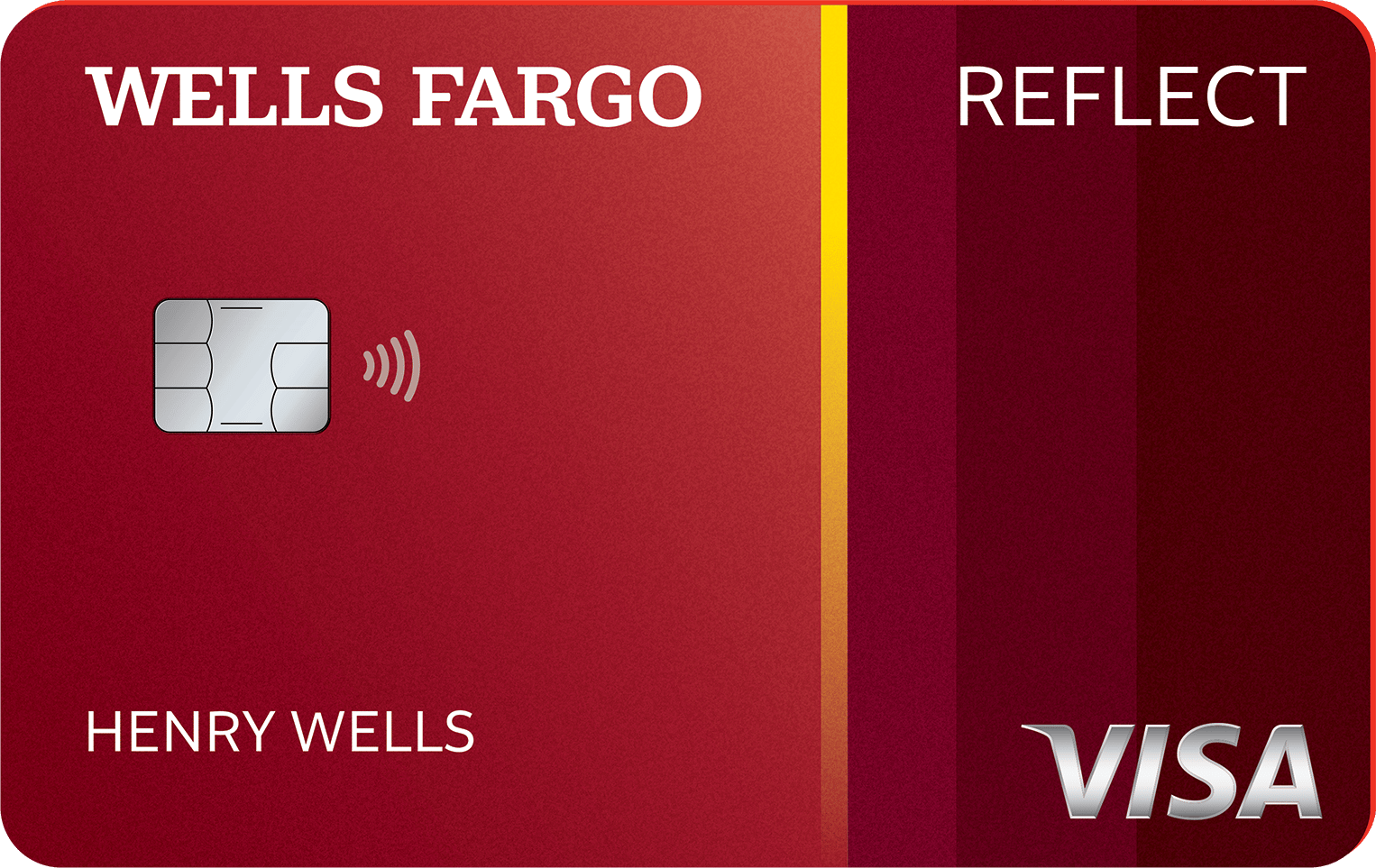
Wells Fargo Reflect® Card
Why you’d choose it: Longest intro period for transfers & purchases
Balance transfer fee: 5% of the amount transferred (minimum $5).
APR: 0% intro APR for 21 months from account opening on purchases and qualifying balance transfers, and then the ongoing APR of 17.49%, 23.99%, or 28.24% Variable APR.
Why we chose the Wells Fargo Reflect® Card as one of our best balance transfer credit cards: The Wells Fargo Reflect® Card has one of the most accommodating introductory APR offers available from a major issuer, with a promotional period approaching two years for balance transfers. It’s worth noting that there’s an equally long intro period for purchases. Several competing cards offer a lengthly 0% period for transfers but a shorter one (or none at all) for purchases. This one does both. Although we generally advise against carrying debt on new purchases from month to month, especially when you’re doing balance transfers to handle existing debt, the matching periods for purchases and transfers nevertheless afford you maximum flexibility. The biggest downside for this card is the 5% balance transfer fee ($5 minimum), which is on the high side and explains why this card doesn’t earn 5 stars in our ratings formula for balance transfer cards. The card also doesn’t earn rewards, so there’s not a ton of ongoing value after the promotional period runs out.
See our pros and cons for this card
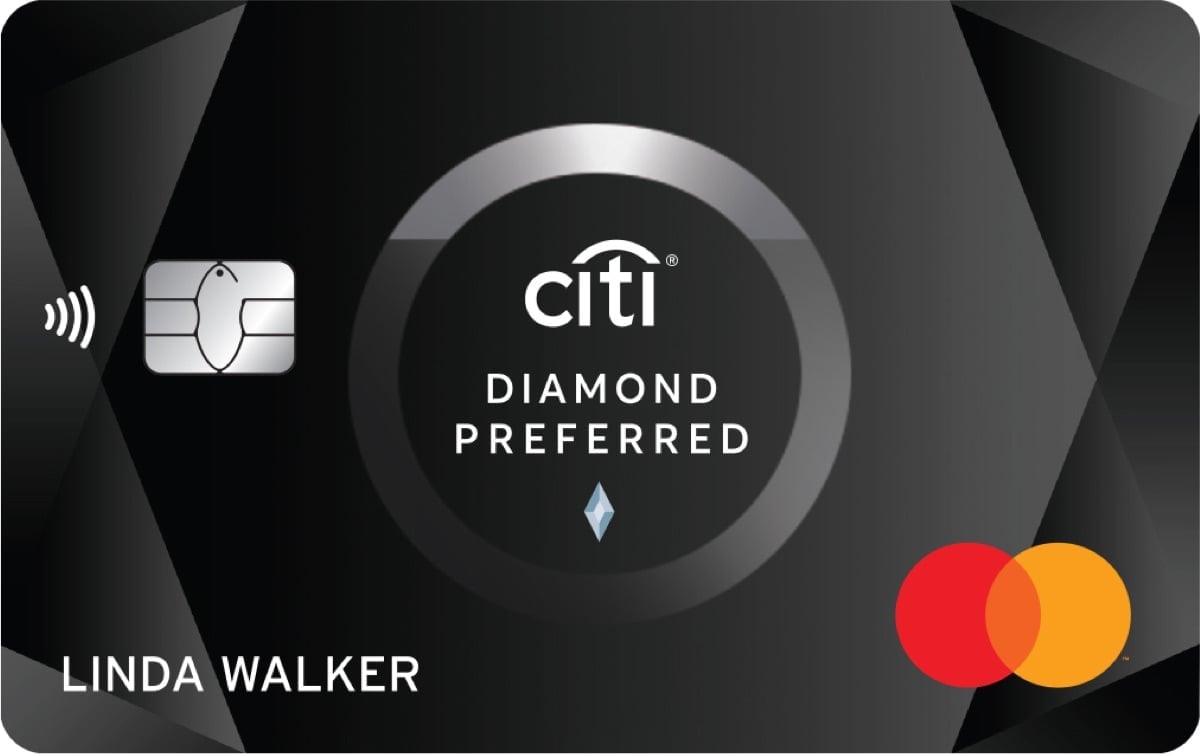
Citi® Diamond Preferred® Card
Balance transfer fee: 5% of the amount transferred (minimum $5).
Why we chose the Citi® Diamond Preferred® Card as one of our best balance transfer credit cards: This card is a decent alternative to the Citi Simplicity® Card. You get a nice, long introductory APR period for balance transfers and a shorter one for purchases. But it doesn’t have the late-fee protection of the Simplicity, nor does it have any kind of promotional balance transfer fee. Otherwise, the same cautions apply to this card as to the Simplicity: The mismatched intro periods might trip you up if you’re not careful, and the lack of rewards means the card’s long-term value is limited.
See our pros and cons for this card
U.S. Bank Shield™ Visa® Card
Why you’d choose it: Long intro period + side perks
Balance transfer fee: Introductory fee of 3% of the amount transferred ($5 minimum) for balances transferred within 60 days of account opening. After that, 5% of the amount transferred ($5 minimum).
Why we chose the U.S. Bank Shield™ Visa® Card as one of our best balance transfer credit cards: The U.S. Bank Shield™ Visa® Card has different intro APR offers depending on where you get the card. The offer available through NerdWallet includes a lengthy promotional period for both balance transfers and purchases, as well as a low introductory balance transfer fee. On U.S. Bank’s own site, the card offers a longer intro APR period — but it also lacks the lower promotional transfer fee. Do the math: If you won’t need more than a year and a half to pay down the balance you’re planning to transfer, then you’re better off going with the shorter 0% window and the lower fee. As with most other balance transfer cards with a promotional period this long, the card doesn’t have tremendous long-term value, although it does earn cash back on certain travel purchases made through U.S. Bank.
See our pros and cons for this card
Discover it® Cash Back – 18 Month Intro Balance Transfer Offer
Why you’d choose it: Long intro period for transfers + quarterly cash back categories
Balance transfer fee: 3% intro balance transfer fee, up to 5% fee on future balance transfers (see terms)*.
APR: 0% intro APR on Purchases for 6 months and 0% intro APR on Balance Transfers for 18 months, and then the ongoing APR of 17.74%-26.74% Variable APR *Rates as of December 15, 2025.
Why we chose the Discover it® Cash Back – 18 Month Intro Balance Transfer Offer as one of our best balance transfer credit cards: Long-term value is the reason this card stands out so much. Yes, you get a long intro APR period on balance transfers, but unlike most cards with competing promotional periods, this one also gives you ample reason to keep using the card: 5% cash back in rotating categories that you activate (on up to $1,500 per quarter in spending), and 1% cash back on other purchases. It’s those rewards that earn this card its high star rating. Note that the intro APR period for purchases is considerably shorter, however. Your best bet might be to hold off on using it for purchases until you’ve fully paid off transferred debt.
See our pros and cons for this card
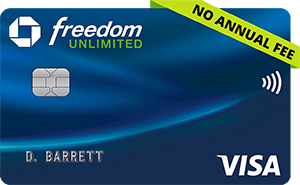
Chase Freedom Unlimited®
Why you’d choose it: Good intro period + all-around cash back
Balance transfer fee: 3% or $5, whichever is greater, in the first 60 days; 5% or $5, whichever is greater, after that.
Why we chose the Chase Freedom Unlimited® among our best balance transfer credit cards: This cards earns 5 stars for its cash back rewards, but it also comes with a balance transfer offer that’s only a smidge below what you get from many cards that are entirely devoted to balance transfers. The intro APR period for transfers might not be as long as what you get on, say, the Wells Fargo Reflect® Card or the Citi Simplicity® Card, but it’s still well over a year. There’s a relatively low balance transfer fee for new cardholders. There’s a matching intro APR period for purchases, so it’s also a strong option for financing a large purchase. And the cash-back rewards offer strong long-term value.
See our pros and cons for this card
Why you’d choose it: Long intro period + 2% cash back
Balance transfer fee: 3% or $5, whichever is greater, in the first four months; 5% or $5, whichever is greater, after that.
Why we chose the Citi Double Cash® Card as one of our best balance transfer credit cards: The Citi Double Cash® Card has long been one of NerdWallet’s top recommendations for people looking for simple credit card rewards, as it earns an impossible-to-mess-up 2% cash back on every purchase (1% when you buy something and 1% when you pay it off). But it also comes with one of the stronger balance transfer offers on the market. There is no 0% intro APR period for purchases, however — not even a short one like some other cards have. So if you are using this card for a balance transfer, don’t put purchases on it until that debt has been fully paid off. As long as you’re carrying a transferred balance, you will not have a grace period on purchases, so you’ll pay interest on them. But you’ll have reason to use it (and use it often) long after the promotional period ends.
See our pros and cons for this card
Why you’d choose it: Long intro period + gas and dining rewards
Balance transfer fee: 3% introductory balance transfer fee. For future transfers, the fee is up to 5% (see terms).
Why we chose the Discover it® Chrome as one of our best balance transfer credit cards: The Discover it® Chrome is rather underwhelming as a cash-back card, offering weak rewards relative to its competitors, but it scores high as a balance transfer card. You get a long intro APR period for balance transfers, and a shorter one for purchases. The rewards at least give the card a certain amount of long-term value. Because of the mismatched intro APR periods, our advice with this card is the same as for the other Discover offering on this page: Pay off your transferred balance, then shift to using the card for purchases.
See our pros and cons for this card
Choosing the right balance transfer card for you
When choosing a balance transfer credit card, the temptation can be to just look for the card with the longest 0% period and then hit the “Apply” button. But there are other considerations that can be just as important, if not more important, than the length of the balance transfer promotion. Ask yourself these questions to narrow your search.
1. What’s your credit score?
Accepting a customer’s balance transfer poses a risk for a credit card issuer. That issuer is taking on debt that the customer ran up somewhere else — debt that is enough of a burden that the customer is looking for help in paying it off. Generally speaking, card issuers make balance transfers available to people with good to excellent credit and not to those with bad to average credit. Scores in 700s and higher indicate a strong likelihood that customer will pay off pay off their debt without issue.
That said, there’s no magic credit score that guarantees approval above it and rejection below it. People with high scores can and do get their applications declined; people with scores in the mid-600s have been approved for balance transfer cards. Credit scores are only one factor in the approval decisions made by credit card issuers. They also take into account your income, your other debts, your recent credit applications and other information.
2. What credit card are you looking to move the debt from?
As a rule, you can’t do balance transfers among cards from the same issuer. If you have debt on a Chase card, for example, you won’t be able to use a balance transfer offer to move that debt to another Chase card. You can’t move debt from one Citi card to another, and so on.
3. How much time do you actually need to pay off your debt?
Think about how much money you’ll be able to put toward paying off your transferred balance each month (especially when that debt is now at 0% interest). At that rate, how long will it take you to erase the debt? The less time you’ll need, the more options you’ll have. There are only a handful of cards that offer 0% for 21 months or more, but there are many that give you 12 months or more. If you expect to be able to knock out your debt relatively quickly, a 21-month 0% period might be overkill.
Your pay-down schedule also matters when calculating the impact of the balance transfer fee. While there are a handful of cards from small banks and credit unions that don’t have a balance transfer fee, most issuers will charge this fee. If you need only a couple of months to pay off your debt, you might actually be better off leaving it where it is because the interest savings from a transfer won’t make up for the fee. But the longer it takes you to pay off the debt, the more likely it is that you’ll save money even after the fee. Our balance transfer calculator can help you estimate your savings.
4. How can the card help you down the road?
When the introductory 0% APR period on your card runs out, you don’t have to just toss the card in a drawer and forget about it. If the card offers ongoing rewards, you can give it a new job earning you cash back on purchases. (But pay your bill in full each month to avoid getting back into debt.) If the card doesn’t have rewards, useful perks or other longer-term benefits, you could switch to a different card from the same issuer by way of a product change. So when choosing a balance transfer card, consider what it can do for you down the road.
One other consideration: How much debt you’re looking to transfer
You’ll want to be realistic about how much debt you’ll be able to move onto your balance transfer card. When it comes to balance transfers, credit card issuers look for people who have the ability to pay down their debt but just want to save money on interest while they do. That’s as opposed to people who are drowning in debt they can’t repay and are seeking a temporary lifeline to keep from sinking deeper.
So if you’ve got a few thousand dollars you want to transfer but your credit is otherwise strong and your cards aren’t all maxed out, you’re more likely to get approved for a card and for enough of a credit limit that you can move all the debt. Conversely, if you have $50,000 in balances on several maxed-out cards, you’re very unlikely to find an issuer willing to take all of that debt. (Depending on the circumstances, it may be hard to find an issuer willing to take any of it.) It’s common for an applicant to be approved for a balance transfer card with only enough credit limit for a portion of their debt. Still, that can be better than nothing.